A house represents one of the largest financial commitments most families will ever make, and the choices made during construction shape its value for decades. Every shortcut taken during the build eventually surfaces as a repair bill, a safety concern, or a stalled resale conversation. Homeowners in Monroe who treat quality workmanship as the foundation of their investment tend to see far fewer of those headaches down the road. Skilled execution is what separates a property that holds its worth from one that quietly loses ground year after year. Understanding why this matters can change how you approach every project tied to your home.
Why Workmanship Shapes Long-Term Value
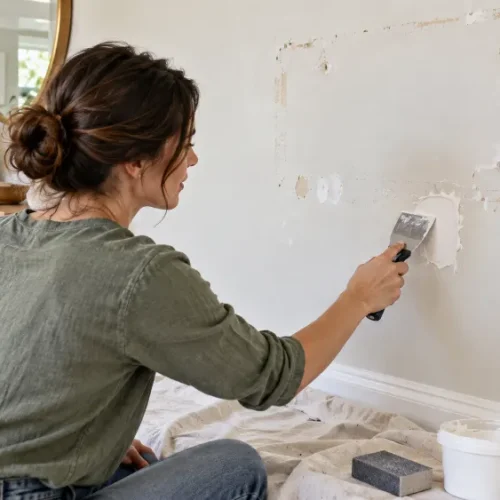
A home’s value is not built on square footage alone. It is built on the quality of the hands that put each component together. Sloppy framing, rushed finishing, and corner-cutting during the original build will eventually demand expensive correction. Buyers, inspectors, and appraisers all notice the difference between work done with care and work done in haste, and that perception directly affects how much your property is worth when you decide to sell.
Addressing Driveway and Patio Failures Before They Spread
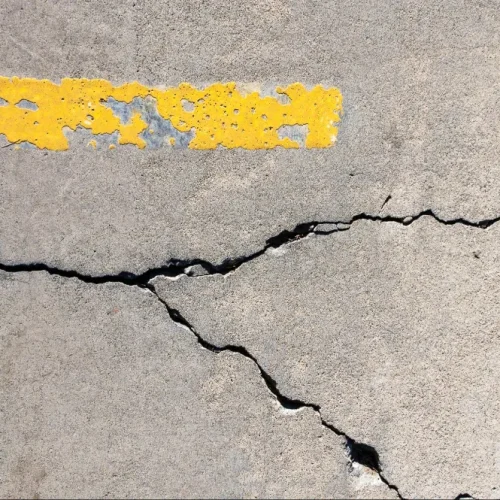
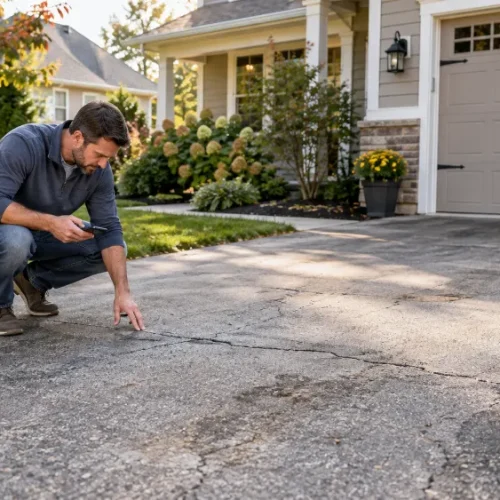
One of the most overlooked threats to a home’s value is a deteriorating driveway or patio. When the slab begins to crack, sink, or shift, the damage rarely stays cosmetic for long. Water finds its way into every crevice, the base underneath shifts further, and what started as a hairline fracture turns into a structural problem that affects drainage, curb appeal, and the safety of anyone walking across it. For homeowners who want this handled the first time properly, working with the best concrete company in Monroe ensures the driveway or patio is poured, finished, and cured to standards that actually last. A properly installed driveway or patio resists the freeze and thaw cycles, heavy vehicle weight, and constant foot traffic that destroy lesser work within a few seasons. Investing in skilled installation protects not just the surface itself but everything that depends on it staying level and intact.
Protecting Your Home Against the Weather
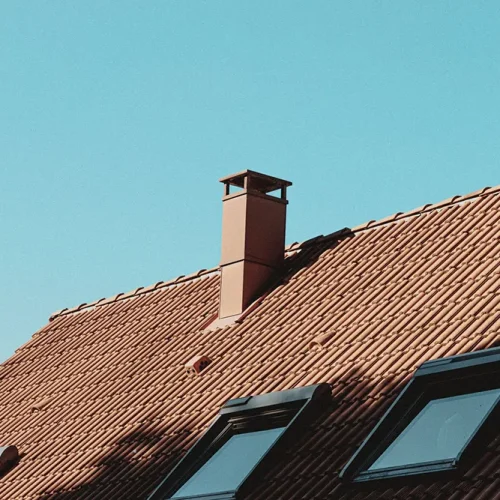
Weather is the silent adversary of every house. Rain, humidity, wind, and seasonal temperature swings constantly test the integrity of the structure, and only quality construction work can stand up to that pressure year after year. Roofs installed with proper underlayment, flashing, and fastening hold their seal through storms that would lift inferior work right off the rafters. Siding that is fitted correctly keeps moisture out of the wall cavity, which is where some of the most expensive and hidden damage tends to occur.
Windows and doors are another area where execution matters enormously. A window that is set out of plumb or sealed poorly will leak air, invite water, and force your heating and cooling system to work harder than it should. Over a decade, those small inefficiencies add up to thousands of dollars in wasted energy and accelerated wear on mechanical systems. Quality installation prevents all of that quietly and consistently.
The Role of Skilled Tradespeople
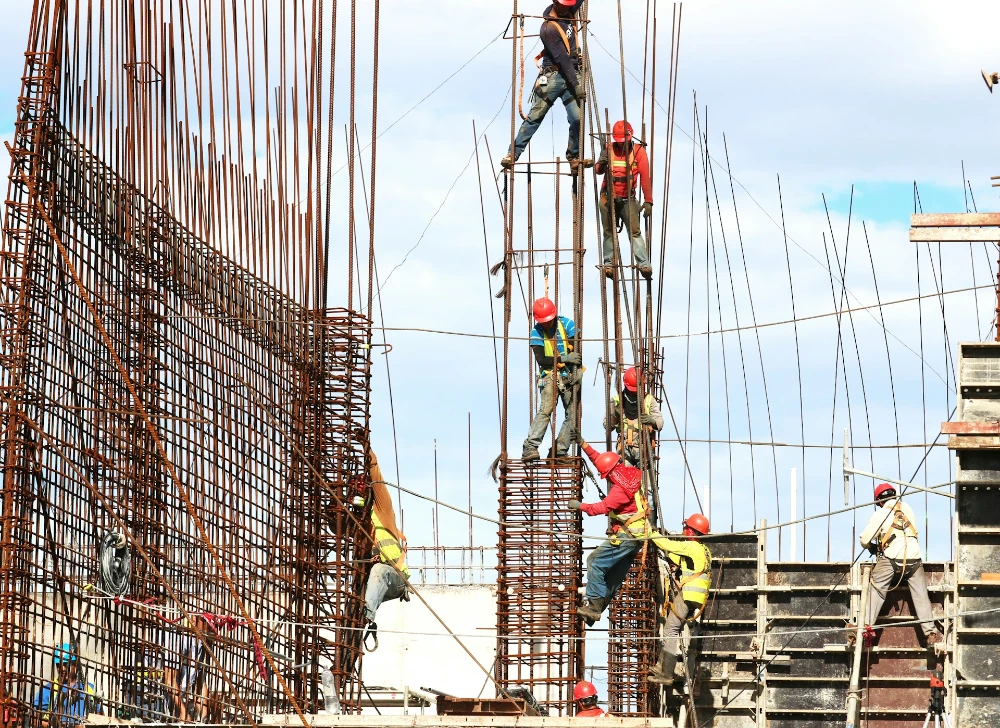
The people performing the work are ultimately what determines whether a project lasts. Experienced tradespeople bring judgment that cannot be replaced by tools or shortcuts. They know how to read a site, anticipate problems, and adjust their methods to suit the conditions in front of them. That kind of knowledge only comes from years of practice and a genuine commitment to doing the job correctly.
Homeowners often focus on the lowest bid when hiring help, but that approach tends to backfire. A crew that underbids the work usually makes up the difference by speeding through the project or using lower-quality methods. The savings vanish within a few years when problems begin to surface. Choosing skilled professionals from the outset is one of the simplest ways to protect what you have already put into the property.
How Quality Work Affects Resale Value
When the time comes to sell, every detail of the home is examined under a magnifying glass. Inspectors will find shortcuts that were taken years ago, and those findings give buyers leverage to negotiate the price down or walk away entirely. On the other hand, a home built and maintained with quality work tends to show up well, which keeps the sale on track and preserves your asking price.
Appraisers also factor in the condition and craftsmanship of the property. Well-built features carry more weight in the valuation than cosmetic upgrades that sit on top of weak underlying work.
Safety as a Hidden Form of Value
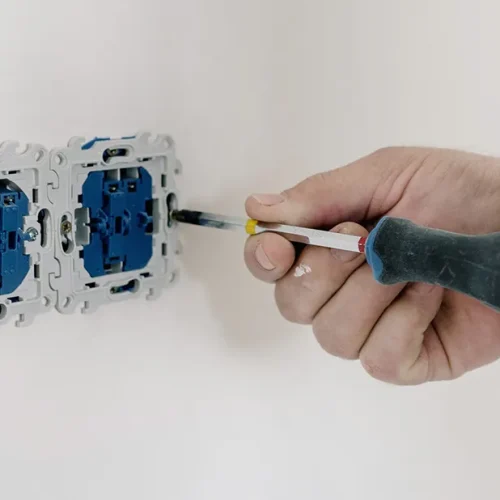
A well-built home protects the people inside it, and that protection translates directly into financial value over time. Electrical work done by qualified hands prevents the kind of faults that lead to fires and insurance claims. Plumbing connections made correctly the first time avoid the slow leaks that rot subflooring and breed mold inside walls. Stair rails anchored to solid framing keep families safe through years of daily use. Each of these elements quietly does its job in the background, and the homeowner only notices when something has been done poorly.
Insurance carriers pay close attention to these details as well. Homes with documented quality work in their critical systems often qualify for better coverage terms, while properties with a history of shortcuts face higher premiums or coverage limits.
Planning Renovations with the Long View in Mind
Renovations are an opportunity to either strengthen or weaken your investment, depending on how they are handled. Projects planned with longevity in mind add genuine value, while those rushed for short-term appearance often create new problems. Taking the time to scope each renovation properly, choose the right professionals, and verify the work as it progresses keeps the home moving in the right direction.
Permits, inspections, and proper documentation also play a role. They confirm that the work meets accepted standards and give future buyers confidence that nothing was done improperly behind the walls. Treating every project as part of the home’s long-term story is what keeps your investment growing rather than slowly slipping away.