This post contains affiliate links. As an Amazon Associate, I earn from qualifying purchases, at no extra cost to you. See our disclosure policy.
Most homeowners have a mental list of things they plan to fix “someday.” The problem is that homes rarely wait for a convenient time to develop issues. A clogged gutter turns into water damage. A neglected HVAC filter makes the system work harder. A tiny plumbing leak quietly wastes water for months before anyone notices.
The good news is that home maintenance does not have to feel like a second job. The secret is timing. When you spread tasks throughout the year, maintenance becomes manageable and far less expensive. Instead of reacting to unexpected repairs, you can stay ahead of common problems and keep your home in good condition with a few focused check-ins each season. This calendar is designed to help you know what deserves attention and when it makes the most sense to tackle it.
Give Outdoor Spaces a Mid-Year Check
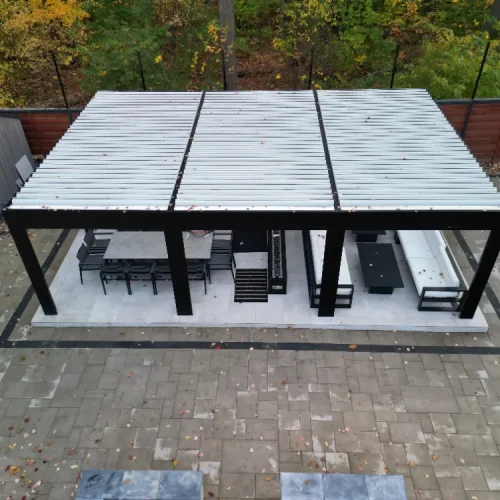
Outdoor living areas often see the most activity during warmer months, making mid-year inspections especially valuable. Examine patios, seating areas, outdoor kitchens, pergolas, and other gathering spaces for signs of wear. Tighten loose hardware, inspect lighting fixtures, and look for surfaces that may need cleaning or sealing. Irrigation systems also deserve attention during this period. Broken sprinkler heads, clogged nozzles, and leaks can waste water while leaving parts of the landscape under-watered. If your property includes a pool, review equipment performance and water circulation systems before heavy seasonal use. This is also a good time to address any swimming pool repair needs, especially if you’ve noticed unusual noises, inconsistent water flow, or equipment that isn’t performing as expected. Many homeowners discover small issues only after usage increases. A scheduled inspection helps ensure outdoor spaces remain functional, comfortable, and ready for family gatherings throughout the season.
Get Ahead of HVAC Problems
Heating and cooling systems often receive attention only when comfort becomes a problem. By that point, the issue may already be affecting efficiency, energy use, or system lifespan. A seasonal HVAC check can prevent many common headaches. Replace air filters regularly and look at the condition of vents throughout the home. Dust buildup around vents can signal airflow issues that deserve attention. Listen for unusual sounds when the system starts and stops. If some rooms consistently feel warmer or cooler than others, schedule an inspection before peak heating or cooling season arrives. Professional maintenance visits can identify worn components early, giving you time to address problems before extreme weather places additional strain on the system.
Keep Water Moving Away
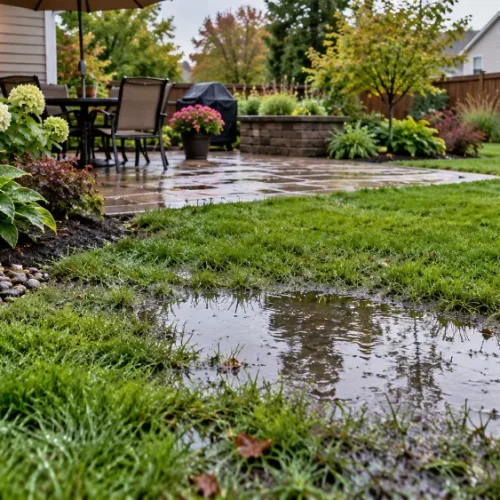
Many expensive home repairs begin with poor drainage. Water that cannot move away from the house eventually finds a place to collect, often where homeowners cannot easily see it. Gutters and downspouts play a larger role than many people realize. Check them several times a year, especially after storms or periods of heavy leaf fall. Look for sections pulling away from the house or areas where water spills over the sides during rain. Walk around the property and notice where water collects after a storm. Persistent puddles near the foundation deserve attention. Good drainage protects siding, landscaping, foundations, and even indoor spaces from moisture-related damage that can become difficult and costly to correct.
Safety Checks Worth Five Minutes
Safety equipment is easy to overlook because it usually sits quietly in the background. A quick inspection only takes a few minutes and can provide valuable peace of mind. Test smoke detectors and carbon monoxide alarms throughout the home. Replace batteries if needed and check manufacturing dates on older units. Review the location and condition of fire extinguishers, especially in kitchens, garages, and workshops. Make sure family members know where they are stored. Walk through common exit routes and remove anything that could block a quick exit during an emergency. These simple checks rarely feel urgent, which is exactly why they often get delayed. Adding them to your maintenance calendar makes them far more likely to happen consistently.
Stop Small Leaks Early
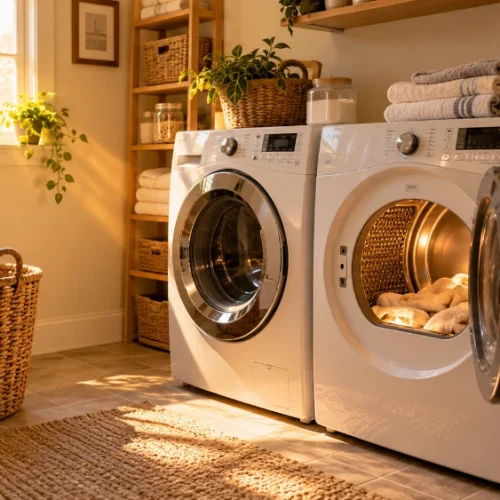
Water damage rarely starts with a dramatic event. More often, it begins with a slow drip hidden under a sink, behind a toilet, or near an appliance connection. Set aside time a few times each year to inspect plumbing fixtures throughout the home. Look under sinks for moisture, discoloration, or soft cabinet surfaces. Check around toilets for signs of water collecting at the base. Examine washing machine hoses for cracks, bulges, or wear. Pay attention to your water heater as well. Small puddles, rust marks, or unusual noises can indicate developing problems. Catching these issues early usually means a simple repair. Waiting several months can lead to damaged flooring, drywall, cabinets, and much higher repair costs.
Don’t Ignore the Ground Beneath You
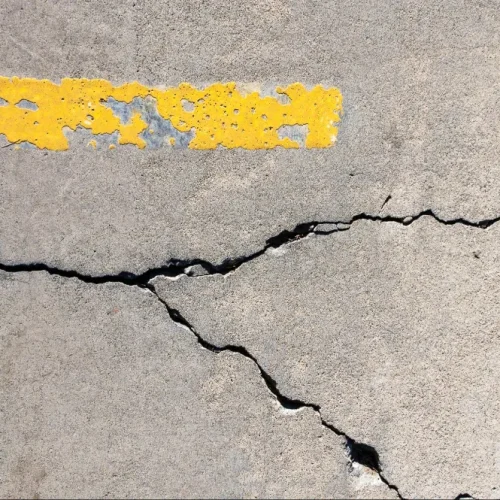
Driveways, walkways, patios, and retaining walls experience constant wear from weather and daily use. Small cracks may seem harmless, but they can expand as water enters and temperatures change. Regular inspections help identify areas that need attention before repairs become more involved. Look for uneven sections that create tripping hazards and check whether water drains properly after rain. Standing water can gradually weaken surfaces and contribute to erosion around nearby structures. If pavers have shifted or concrete has settled, address the issue before it affects surrounding areas. Outdoor surfaces often receive less attention than the home itself, yet they play an important role in safety, drainage, and curb appeal. Keeping them in good condition protects both the property and the people using it.
Review the Year Before Planning the Next
The final months of the year provide an opportunity to step back and evaluate the condition of your home. Review the maintenance tasks you completed and note any recurring problems that deserve closer attention. Perhaps a certain gutter section frequently clogs, a door repeatedly sticks, or a plumbing fixture requires regular adjustments. Patterns like these often point to underlying issues worth investigating. Gather service records, warranty information, and receipts from major repairs so they remain easy to access when needed. This is also a good time to identify larger projects for the coming year and begin budgeting for them. A yearly review turns maintenance into a long-term strategy rather than a collection of disconnected tasks.
Home maintenance becomes far more manageable when it follows a schedule instead of relying on memory. Most major repairs start as small issues that go unnoticed for months. Regular inspections help you catch those problems early, often when solutions are simpler and less expensive. A well-planned maintenance calendar also spreads responsibilities throughout the year, making them easier to handle. By paying attention to key systems, outdoor areas, safety equipment, and structural components at the right times, you can protect your home’s value and avoid many common headaches. Consistency matters more than perfection. A few thoughtful checks each season can keep your home running smoothly and help you stay ahead of unexpected repairs.