This post contains affiliate links. As an Amazon Associate, I earn from qualifying purchases, at no extra cost to you. See our disclosure policy.

A healthy lawn or landscape depends on more than regular watering. Your irrigation system must deliver the right amount of water to the right areas at the right time. However, wear and tear, seasonal weather changes, and hidden leaks can gradually reduce your system’s performance. Ignoring these problems often leads to higher water bills, unhealthy plants, and expensive repairs.
That is why homeowners and property managers often rely on professional irrigation services Massachusetts to identify issues early and restore efficient watering. Spotting warning signs early allows you to fix minor issues before they become costly repairs.
Why Prompt Irrigation Repairs Are Important?
An irrigation system operates underground and behind the scenes, making it easy to overlook developing issues. Small leaks or broken sprinkler heads can waste hundreds of gallons over time. In fact, the EPA estimates that U.S. households lose nearly 1 trillion gallons annually to leaks alone.
Timely repairs offer several benefits, including:
- Lower monthly water bills
- Improved lawn and plant health
- Better water efficiency
- Reduced risk of landscape damage
- Longer irrigation system lifespan
Routine inspections also help detect hidden issues before they require extensive repairs.
Common Signs Your Irrigation System Needs Repair
Most irrigation systems show clear warning signs before they fail. Knowing what to look for can help you address minor issues early and avoid more extensive repairs later.
Uneven Watering Across Your Lawn
A lawn should receive consistent water coverage. If some areas remain green while others become dry or brown, your irrigation system may not distribute water evenly.
Several issues can cause uneven watering, including clogged sprinkler nozzles, incorrect spray patterns, damaged heads, or low water pressure. Addressing these problems quickly helps maintain a healthier landscape.
Dry Spots That Continue to Spread
Persistent dry patches usually indicate that certain areas are not receiving enough water. A blocked sprinkler head, broken underground pipe, or malfunctioning irrigation zone could be responsible.
Instead of increasing your watering schedule, inspect the system to identify the actual cause. Overwatering healthy areas will only waste water without solving the underlying problem.
Standing Water Around Sprinklers
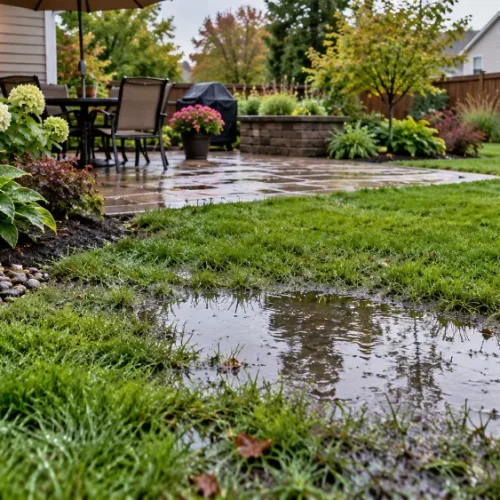
Puddles or constantly soggy soil often signal hidden leaks or broken sprinkler heads. Excess moisture not only wastes water but also creates favorable conditions for fungal diseases, root rot, and soil erosion.
Standing water should never be ignored because underground leaks can gradually become much larger and more expensive to repair.
Unexpected Increase in Your Water Bill
If your water usage habits have not changed but your monthly bill continues to rise, your irrigation system could be wasting water without obvious signs above ground.
Hidden pipe leaks, malfunctioning valves, or controllers that run longer than scheduled frequently contribute to unnecessary water consumption.
Monitoring your utility bill regularly can help identify irrigation problems early.
Broken or Damaged Sprinkler Heads
Sprinkler heads often become damaged by lawn equipment, vehicles, foot traffic, or freezing temperatures during Massachusetts winters.
Common signs include:
- Leaning sprinkler heads
- Cracked sprinkler casings
- Water spraying in the wrong direction
- Inconsistent spray patterns
Replacing damaged heads promptly improves coverage and prevents unnecessary water waste.
Low Water Pressure
Weak spray patterns usually indicate reduced water pressure. This issue may result from clogged nozzles, damaged valves, underground leaks, or pipe obstructions.
Low pressure prevents water from reaching the intended areas, leaving portions of your lawn under-watered while increasing system runtime.
Irrigation Zones That Do Not Activate
Modern irrigation systems divide landscapes into separate watering zones. When one zone fails to operate, the problem may involve:
- Faulty solenoid valves
- Electrical wiring issues
- Controller malfunctions
- Damaged underground pipes
A professional inspection can accurately diagnose the affected component.
Controller or Timer Problems
The irrigation controller serves as the system’s control center. If it fails, the entire watering schedule becomes unreliable.
Signs of controller issues include:
- Incorrect watering times
- Zones skipping scheduled cycles
- Continuous watering
- Blank or flashing display screens
Updating or repairing the controller restores efficient scheduling and reduces unnecessary water use.
Common Causes of Irrigation System Problems
Various factors impact irrigation efficiency. Recognizing these early helps you prevent costly damage and maintain peak system performance.
- Freezing Winter Temperatures: Water left inside pipes can freeze and expand, causing cracked pipes, damaged valves, and broken sprinkler heads.
- Tree Root Growth: Growing tree roots can penetrate or crush underground irrigation pipes, leading to leaks and reduced water flow.
- Aging Components: Over time, sprinkler heads, valves, seals, and pipes wear out, resulting in frequent leaks and reduced system efficiency.
- Soil Shifting: Natural ground movement can misalign sprinkler heads or damage underground pipes, causing uneven water distribution.
- Lack of Regular Maintenance: Dirt buildup, clogged nozzles, and unnoticed wear can reduce system performance and increase the risk of unexpected breakdowns.
Repair vs. Replace: Which Option Makes More Sense?
Not every irrigation problem requires replacing the entire system. In many cases, targeted repairs are enough to restore optimal performance.
Repair the System If:
- A sprinkler head is broken or damaged.
- A nozzle is clogged and affecting water distribution.
- A valve is malfunctioning.
- The irrigation controller only needs repairs or a software upgrade.
Consider Replacing the System If:
- Multiple underground pipes fail repeatedly.
- The system is outdated and no longer operates efficiently.
- Repair costs continue to increase due to aging components.
- The current layout no longer meets your property’s irrigation needs.
Why Choose Corbett Irrigation?
Maintaining your irrigation system requires professional expertise, accurate diagnostics, and effective solutions that support long-term performance. Corbett Irrigation has been helping homeowners and commercial property owners across Massachusetts maintain efficient irrigation systems with reliable repair, maintenance, and upgrade services.
From hidden leaks and damaged sprinkler heads to faulty controllers and uneven watering, Corbett Irrigation has the expertise to identify the underlying issue and provide effective, long-term repairs. The company also specializes in smart irrigation technology, seasonal maintenance, and water-efficient system upgrades that help reduce water waste while keeping your landscape healthy throughout the year.
Conclusion
Your irrigation system is essential for maintaining a healthy, attractive, and well-watered landscape. Paying attention to warning signs such as dry patches, standing water, rising water bills, or damaged sprinkler heads allows you to address problems before they become costly repairs. Regular inspections and timely maintenance also improve water efficiency and extend the life of your system.
If you notice any of these signs, do not wait for the problem to worsen. Working with experienced professionals ensures your irrigation system continues to perform efficiently, helping you save water, lower maintenance costs, and keep your property looking its best.