This post contains affiliate links. As an Amazon Associate, I earn from qualifying purchases, at no extra cost to you. See our disclosure policy.
Lowering your water bill doesn’t always require a major renovation or an expensive home improvement project. In many cases, a handful of practical upgrades can significantly reduce water waste while making your home more efficient and comfortable to live in. Whether you’re replacing outdated fixtures, installing water-efficient appliances, improving your irrigation system, or upgrading older plumbing components, even small changes can deliver noticeable savings over time.
Beyond lowering monthly utility costs, these improvements can also reduce unnecessary strain on your plumbing system and help conserve one of your home’s most valuable resources. The goal isn’t simply to use less water. It’s to use it more efficiently by making thoughtful upgrades that fit your lifestyle. With the right combination of smart improvements and everyday habits, you can reduce waste, improve performance, and enjoy long-term savings without dramatically changing the way you live.
Upgrade Everyday Water Fixtures
One of the easiest places to start is with the fixtures you use every day. Low-flow showerheads, faucet aerators, and high-efficiency toilets are designed to reduce water consumption without making daily routines feel any different.
A faucet aerator mixes air into the water stream, allowing you to use less water while maintaining steady pressure. Low-flow showerheads work in much the same way, helping reduce water use without sacrificing comfort.
Older toilets are another common source of unnecessary water use. Replacing an outdated model with a high-efficiency option can significantly reduce the amount of water used throughout the day, especially in busy households.
Improve Outdoor Irrigation
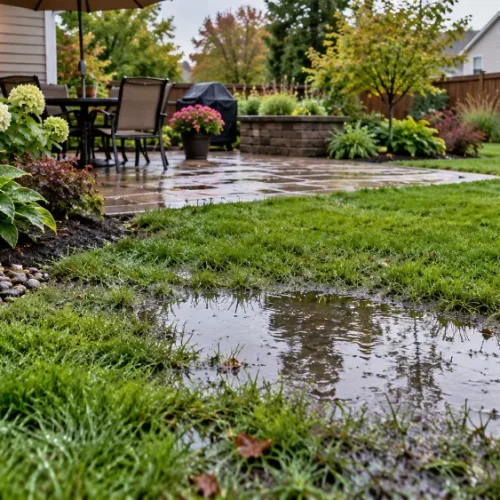
Outdoor watering often accounts for a large portion of residential water use, particularly during warmer months. Without regular adjustments, sprinkler systems can easily overwater lawns, gardens, or even paved surfaces.
Smart irrigation controllers automatically adjust watering schedules based on weather conditions, reducing unnecessary use while helping landscapes stay healthy. Drip irrigation is another practical upgrade, delivering water directly to plant roots instead of spraying large areas.
Simple maintenance also helps. Checking sprinkler alignment, repairing damaged heads, and watering during cooler parts of the day can prevent significant waste over the course of a season.
Use Water Data to Make Smarter Decisions
Making physical upgrades is only part of the equation. Understanding how water is actually being used can help identify opportunities for further savings.
For larger commercial properties, offices, schools, or multi-unit buildings, commercial water monitoring provides detailed usage data that helps identify leaks, unusual consumption patterns, and operational inefficiencies before they become costly problems. Instead of relying on estimates, property managers can make informed decisions based on real-time information.
While most homeowners won’t require commercial monitoring systems, the same principle applies. Tracking monthly water bills, monitoring unusual changes in usage, and paying attention to seasonal patterns can reveal hidden waste that might otherwise go unnoticed.
Choose More Efficient Appliances
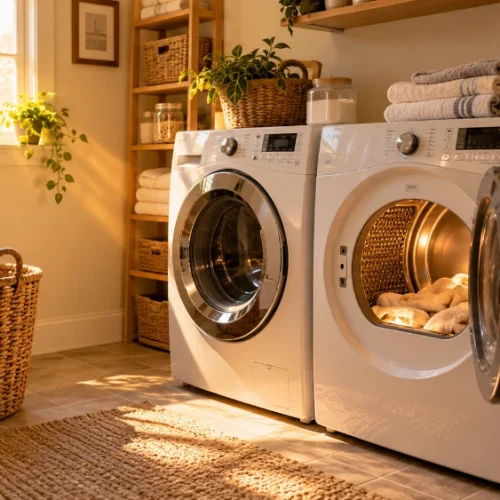
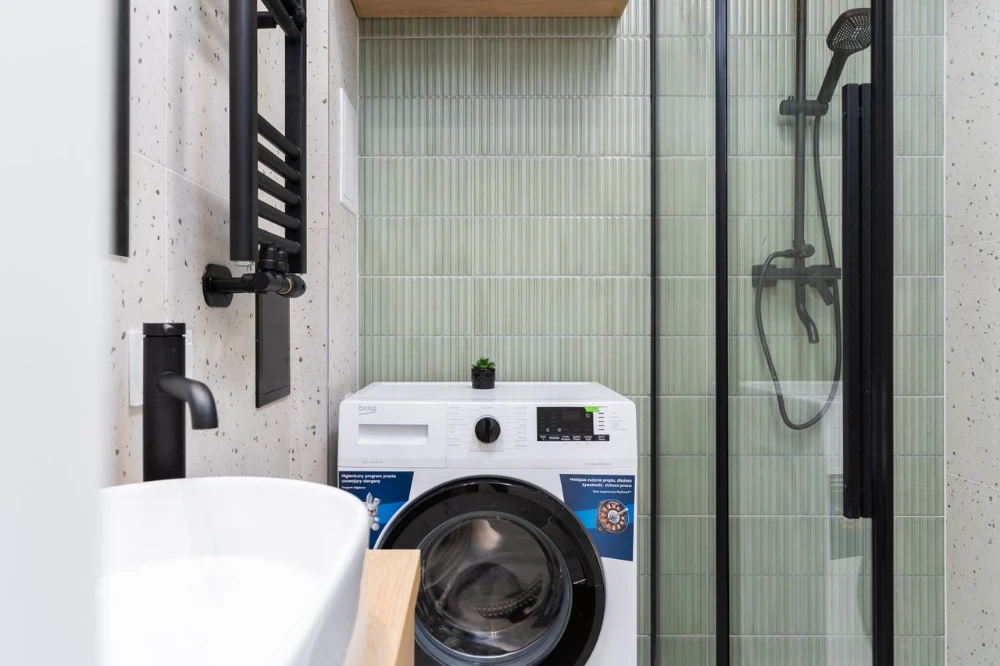
Household appliances also play an important role in water conservation. Older washing machines and dishwashers often use considerably more water than newer, high-efficiency models.
Modern appliances are designed to adjust water usage based on load size while delivering better cleaning performance. Running full loads instead of partial ones further improves efficiency and helps reduce utility costs.
Even if replacement isn’t necessary yet, regular maintenance such as cleaning filters, inspecting hoses, and checking for leaks can improve performance and extend an appliance’s lifespan.
Upgrade Plumbing Before Problems Grow
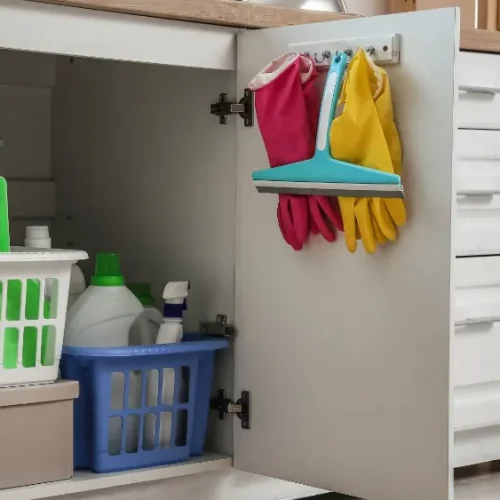
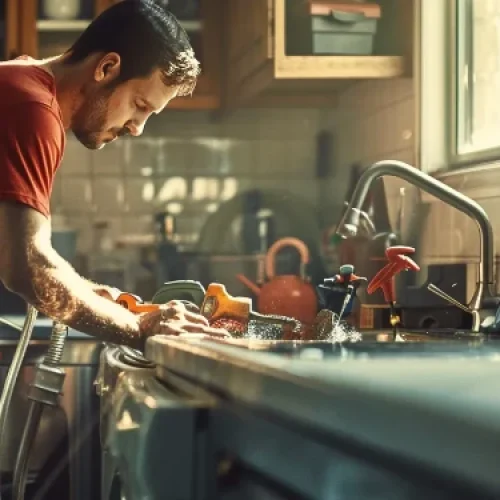
Many homeowners don’t think about their plumbing until something goes wrong. Unfortunately, even a small leak can waste a surprising amount of water over time while increasing monthly utility bills.
Inspecting exposed pipes, checking under sinks, monitoring water pressure, and addressing minor leaks promptly can prevent larger repairs later. Older plumbing systems may also benefit from updated pipes, valves, or fittings that improve both efficiency and reliability.
Preventive maintenance is often far less expensive than dealing with major water damage after a plumbing failure.
Build Better Water Habits
Even the most efficient home benefits from thoughtful daily habits. Running full loads in the dishwasher or washing machine, turning off the tap while brushing your teeth, and avoiding unnecessary outdoor watering all contribute to lower water use.
It also helps to review your utility bill each month. A sudden increase in consumption often signals a leak or another issue that deserves attention before it becomes more expensive to fix.
Small behavioral changes may seem minor individually, but together they reinforce the benefits of every upgrade you’ve made.
Collect and Reuse Water Where It Makes Sense
Not every task around the house requires fresh drinking water. In many situations, collected rainwater or gently used water can be reused for outdoor purposes, helping you cut down on unnecessary consumption. A rain barrel connected to your gutter system is one of the simplest upgrades for watering gardens, flower beds, or outdoor plants without relying entirely on your home’s water supply.
You can also think about how water is used throughout your daily routine. For example, catching the cold water that runs while you’re waiting for the shower to warm up can provide enough water for houseplants or outdoor cleaning. These small habits won’t eliminate your water bill, but they can reduce waste over time.
Before setting up any water collection system, check local regulations and use collected water only for appropriate purposes. Combined with efficient fixtures, smart irrigation, and regular plumbing maintenance, water reuse can become another practical step toward lowering utility bills and making your home more resource-efficient.
Conclusion
Reducing water waste isn’t about making one dramatic change. It’s about combining practical upgrades with smarter everyday habits. Efficient fixtures, updated appliances, better irrigation practices, proactive plumbing maintenance, and data-driven monitoring all work together to create a home that uses water more responsibly. Over time, those improvements can lower utility bills, reduce unnecessary waste, and help protect your property from avoidable plumbing problems.