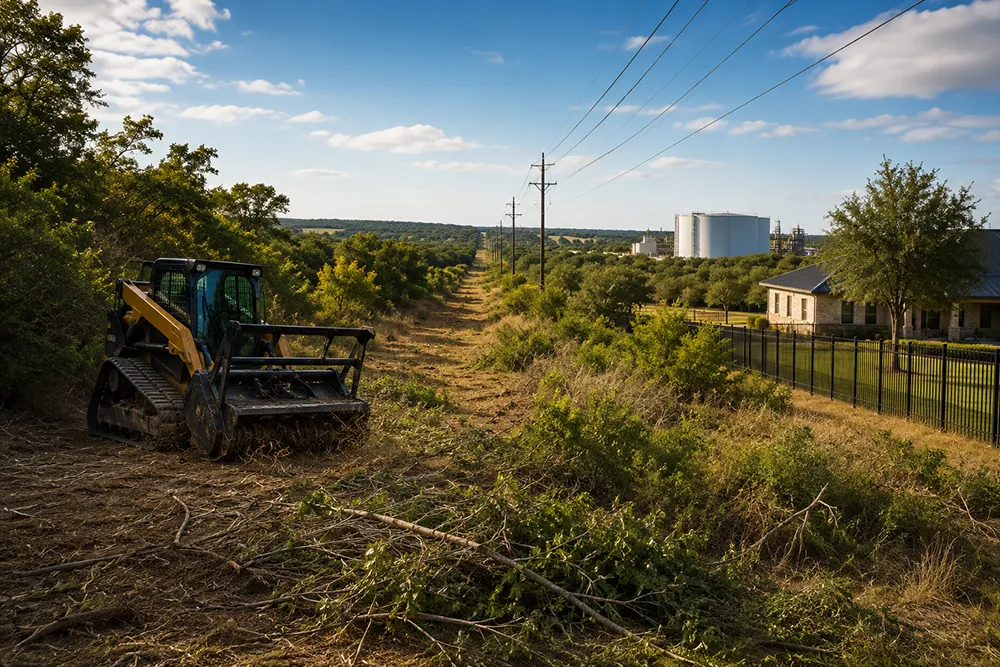
Texas landscapes are known for their beauty, but they also present unique challenges. Warm temperatures, seasonal rainfall, and long growing seasons allow grass, brush, and invasive plants to spread quickly across residential, commercial, agricultural, and industrial properties. Without proper care, this rapid growth can create safety hazards, damage infrastructure, and increase maintenance costs. That is why working with a trusted vegetation management company in Texas can make a significant difference in protecting land and maintaining its long-term value.
Whether you own a ranch, manage a commercial facility, or oversee utility corridors, proactive vegetation management helps you stay ahead of costly problems. Understanding why this service matters allows you to make informed decisions that improve safety, preserve your investment, and support responsible land management.
Quick Summary
Vegetation management is essential for keeping Texas properties safe, functional, and well-maintained. Rapid vegetation growth can increase wildfire risks, attract pests, reduce visibility, and damage valuable infrastructure if left unmanaged. Regular vegetation control helps protect residential, commercial, agricultural, industrial, and utility properties by improving safety, supporting healthy plant growth, and preserving property value. Taking a proactive approach also reduces long-term maintenance costs, promotes environmental responsibility, and helps ensure your property remains accessible, attractive, and productive throughout the year.
What Is Vegetation Management?
Vegetation management is the planned control of unwanted plant growth to keep land safe, functional, and environmentally responsible. Unlike basic landscaping or mowing, it focuses on removing brush, invasive plants, and overgrowth that threaten structures, utilities, and natural habitats. Services may include brush clearing, forestry mulching, mowing, herbicide application, right-of-way maintenance, and debris removal. These solutions help residential, commercial, agricultural, industrial, and utility properties remain accessible, productive, and well-maintained.
Why Vegetation Grows So Quickly in Texas
Texas offers ideal growing conditions for vegetation. Warm weather, seasonal rain, and long growing seasons allow grass, brush, vines, and invasive species to spread rapidly. Without routine maintenance, unwanted vegetation competes with healthy plants for sunlight, water, and nutrients. Large properties are especially vulnerable because overgrowth can develop quickly before owners notice the problem. Regular vegetation management keeps growth under control and prevents it from becoming a costly issue.
Key Reasons Vegetation Management Is Essential for Texas Properties
Now that you understand why vegetation grows so quickly in Texas, let us explore the key reasons why regular vegetation management is essential for protecting your property, improving safety, and preserving its long-term value.
Reduces Wildfire Risks
Dry grass, dead brush, and overgrown vegetation provide fuel for wildfires, especially during hot and dry Texas weather. Removing combustible vegetation lowers fire risks and creates defensible space around buildings, fences, and equipment. As a result, your property becomes safer while firefighters gain better access during emergencies.
Protects Property Value and Appearance
Overgrown vegetation can make any property look neglected. Thick brush may hide signage, damage fences, and grow against buildings, leading to expensive repairs over time. Regular vegetation management keeps your landscape clean, organized, and attractive while protecting the long-term value of your investment.
Improves Safety for People and Equipment
Dense vegetation reduces visibility and hides hazards such as rocks, stumps, and uneven ground. This creates risks for pedestrians, employees, drivers, and equipment operators. By clearing overgrowth, you improve sightlines, create safer access routes, and support smoother day-to-day operations across your property.
Supports Healthy Plant Growth
Not all vegetation benefits your land. Invasive plants often spread aggressively and crowd out native species. Professional vegetation management controls unwanted growth while giving desirable plants the space and resources they need to thrive. Consequently, your landscape becomes healthier and easier to maintain.
Helps Prevent Pest and Wildlife Problems
Tall grass and thick brush provide shelter for rodents, snakes, ticks, mosquitoes, and other unwanted pests. Regular vegetation control removes these hiding places and reduces breeding areas. A cleaner property also makes it easier to spot wildlife activity before it becomes a larger concern.
Protects Utility and Infrastructure Assets
Vegetation growing near power lines, pipelines, fences, drainage systems, and easements can interfere with operations and increase repair costs. Tree roots and dense brush may also limit access for inspections and maintenance. Keeping these areas clear protects valuable infrastructure and helps prevent unexpected service disruptions.
Helps Maintain Regulatory and Environmental Compliance
Many industries must follow vegetation maintenance standards for safety and environmental protection. Routine vegetation management helps meet these requirements while supporting responsible land stewardship. At the same time, it reduces the risk of operational delays, safety concerns, and costly compliance issues.
Types of Properties That Benefit from Vegetation Management
Although every property has unique maintenance needs, nearly every type of land can benefit from a proactive vegetation management plan. Here are some of the properties where these services provide the greatest value.
Residential Communities and HOAs
Regular vegetation management keeps common areas clean, improves curb appeal, and creates safer outdoor spaces for residents.
Commercial Properties
Businesses maintain a professional appearance while improving accessibility and reducing safety hazards for customers and employees.
Ranches and Agricultural Land
Farmers and ranchers benefit from improved grazing areas, controlled invasive vegetation, and easier access to fence lines and equipment.
Industrial Facilities
Industrial sites rely on vegetation management to protect infrastructure, improve safety, and maintain uninterrupted operations.
Utility Corridors and Rights-of-Way
Power lines, pipelines, and transportation corridors require ongoing vegetation control to ensure safe access and reliable service.
Municipal and Government Properties
Cities and public agencies use vegetation management to maintain parks, roadsides, drainage channels, and other public spaces while enhancing community safety.
Signs Your Property Needs Vegetation Management
Your property may require professional vegetation management if you notice:
- Dense brush or overgrown grass
- Vegetation encroaching on buildings or utilities
- Poor visibility along roads or entrances
- Increased pest or wildlife activity
- Dead or diseased vegetation
- Drainage areas blocked by excessive plant growth
Addressing these issues early helps prevent more expensive maintenance and safety concerns later.
Conclusion
Vegetation grows quickly across Texas, but proactive management keeps it from becoming a costly problem. By reducing wildfire risks, protecting infrastructure, improving safety, supporting healthy ecosystems, and limiting pest activity, vegetation management delivers long-term value for every type of property.
Instead of waiting until overgrowth causes expensive repairs or operational challenges, make vegetation management part of your regular property maintenance plan. Partnering with an experienced provider helps you protect your investment, maintain a safer environment, and keep your Texas property clean, accessible, and productive throughout the year.