This post contains affiliate links. As an Amazon Associate, I earn from qualifying purchases, at no extra cost to you. See our disclosure policy.
A roof replacement is a major home project, but it does not have to be unpredictable. The most manageable projects begin before water enters the home, shingles begin blowing away, or temporary repairs become a regular expense. Good planning gives homeowners time to assess the condition of the roof, choose materials that suit the property, compare comprehensive estimates, and prepare for the work itself. It also makes it easier to spot missing details before they become costly changes during installation.
When to Start Planning a Roof Replacement
Start when the roof shows repeated problems, visible aging, storm damage, or a growing history of repairs. A homeowner who notices worn shingles can request inspections and compare options at a reasonable pace. Someone who waits for an active ceiling leak may have fewer material choices, limited scheduling flexibility, and more interior damage to address.
Warning Signs That Deserve Attention
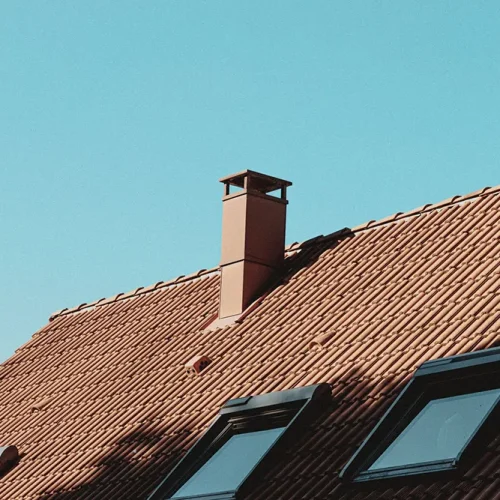
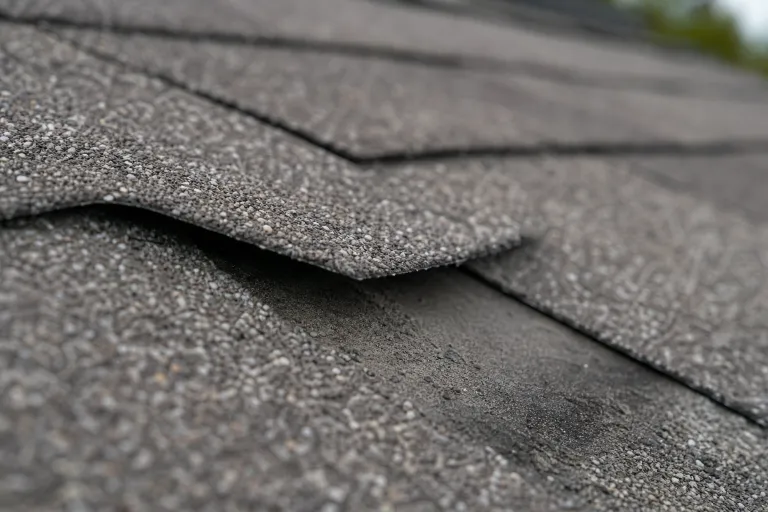
One issue does not automatically mean the entire roof needs replacement, but several signs together deserve a professional evaluation. Watch for missing, cracked, curled, or loose shingles; excessive granules in gutters; damaged flashing around chimneys, vents, skylights, and valleys; dark ceiling stains; damp attic insulation; musty odors; soft spots; or a sagging roof line. Repeated repairs in the same location can also indicate that the underlying issue has not been resolved.
Why a Thorough Inspection Comes First
The roof surface is only one part of a larger system. A useful inspection should review the roof covering, underlayment, flashing, drainage paths, decking, attic moisture, insulation, ventilation, and signs of wind, pest, or water damage. Ask for written findings and photographs, especially when repairs or replacement are recommended. That documentation helps homeowners understand the scope and compare estimates accurately.
How to Build a Realistic Roof Replacement Budget
The final cost depends on much more than the home’s square footage. Roof pitch, shape, access, multiple levels, valleys, penetrations, tear-off requirements, material selection, and local disposal costs can all affect the total. Build a budget by separating visible work from possible hidden work.
- List materials, labor, tear-off, disposal, flashing, ventilation, and permit costs.
- Ask how damaged decking or other concealed conditions will be priced and approved.
- Set aside a contingency reserve for repairs discovered after old materials are removed.
- Review deposits, progress payments, final payment terms, and change orders.
A very low bid is not always a saving if it excludes necessary components. Make sure every estimate identifies materials, quantities, installation details, cleanup, and exclusions before comparing the bottom-line price.
How to Compare Roofing Materials
The right material depends on climate, roof slope, architectural style, maintenance expectations, budget, and desired service life. Asphalt shingles offer broad availability and many appearance options. Metal roofing can provide durability and a distinct look, but installation details matter. Cedar products offer a natural character and may require more maintenance. Low-slope areas often need specialized membrane systems and careful drainage planning. Composite materials can imitate slate, wood, or other finishes while changing weight and maintenance considerations. Ask about fire ratings, wind performance, color choices, manufacturer coverage, maintenance needs, and compatibility with the existing roof design. Do not assume that a material suited to one section of the roof is appropriate for every slope or transition.
Permits, Inspections, and Local Requirements
Permit rules vary by jurisdiction and project scope, so confirm requirements with the local building department before work begins. This roof replacement permit guidance illustrates why permits and required inspections should not be skipped. Ask who will obtain the permit, which inspections apply, and when you will receive copies of final approvals.
Questions to Ask Before Hiring a Contractor
- Are licensing, insurance, and workers’ compensation coverage current?
- What is included in writing, and what is specifically excluded?
- Who will supervise the job each day?
- How will damaged decking and other concealed conditions be handled?
- How will the property be protected from debris, and how will cleanup be completed?
- What happens if the weather delays the work?
- What artistry and material warranties apply?
How to Plan the Installation Timeline
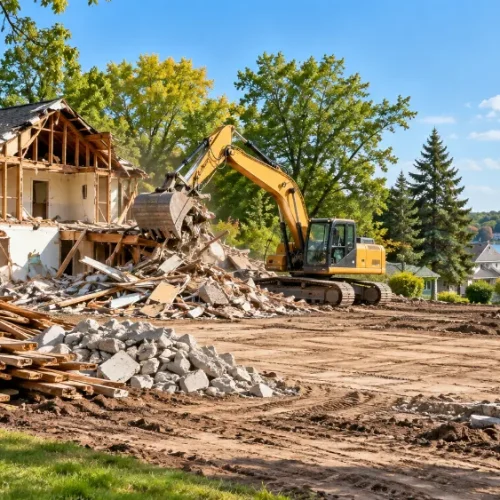
A typical project moves through inspection, estimating, material selection, permitting, delivery, installation, inspection, cleanup, and final walkthrough. The actual schedule can change due to weather, roof complexity, material availability, or repairs discovered beneath the old roof. Request a likely start date and a reasonable completion window rather than relying on an unqualified promise of a fixed number of days.
How to Prepare the Home and Property
- Move vehicles away from the driveway and work area.
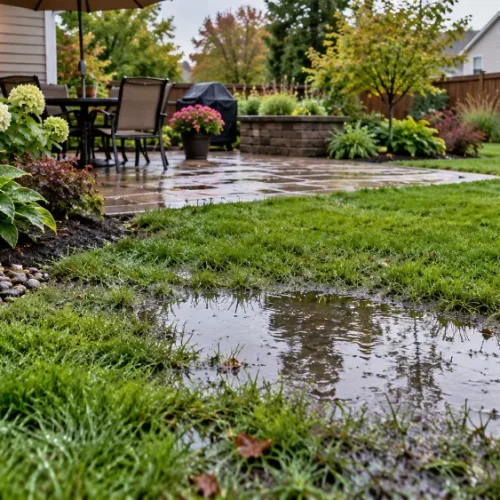
- Protect patio furniture, grills, planters, and decorations.
- Remove fragile items from attic shelves and upper walls because installation can create vibration.
- Keep children and pets away from ladders, tools, nails, and discarded materials.
- Tell neighbors about expected noise, deliveries, and temporary access changes.
- Confirm locations for materials, dumpsters, and crew vehicles.
Include Ventilation and Energy Planning
A roof replacement is a useful time to assess attic airflow, insulation, air sealing, and moisture control. Ask whether intake and exhaust ventilation work together and whether trapped heat or moisture is visible in the attic. For broader ideas on improvement, review the EPA’s residential energy-efficiency guidance. Any upgrades should follow local codes and manufacturer instructions.
What to Review After Installation
Walk the property with the project supervisor after work is complete. Confirm that the installed materials, flashing, vents, and drainage details match the agreement. Check that old materials and loose fasteners have been removed, then collect warranty documents, product information, permits, inspection records, photographs, and invoices. Ask when the roof should first be inspected for routine maintenance.
Common Questions
Sometimes. The answer depends on the roof’s age, the extent and location of damage, the repair history, and the condition of the underlying roof system.
Homeowners should often prepare for substantial noise and vibration, limited driveway access, and potential disruptions to pets, children, and remote work.
A complete estimate should cover materials, labor, tear-off, disposal, flashing, ventilation, permits, repairs, cleanup, timeline expectations, payment terms, exclusions, and warranties.
Conclusion
Roof replacement becomes easier to manage when key decisions are made before installation day. A careful inspection, a complete estimate, a realistic contingency fund, a clear contract, and a final walkthrough can reduce surprises and help protect the home for years to come. Homeowners should also confirm the project timeline, warranty details, materials to be installed, cleanup expectations, and how unexpected repairs will be handled if any hidden damage is discovered. Taking time to compare proposals and ask questions before work begins can help avoid misunderstandings and ensure everyone shares the same expectations. With thoughtful planning and clear communication, a roof replacement can become a more organized project that improves both the home’s protection and its long-term value.