This post contains affiliate links. As an Amazon Associate, I earn from qualifying purchases, at no extra cost to you. See our disclosure policy.
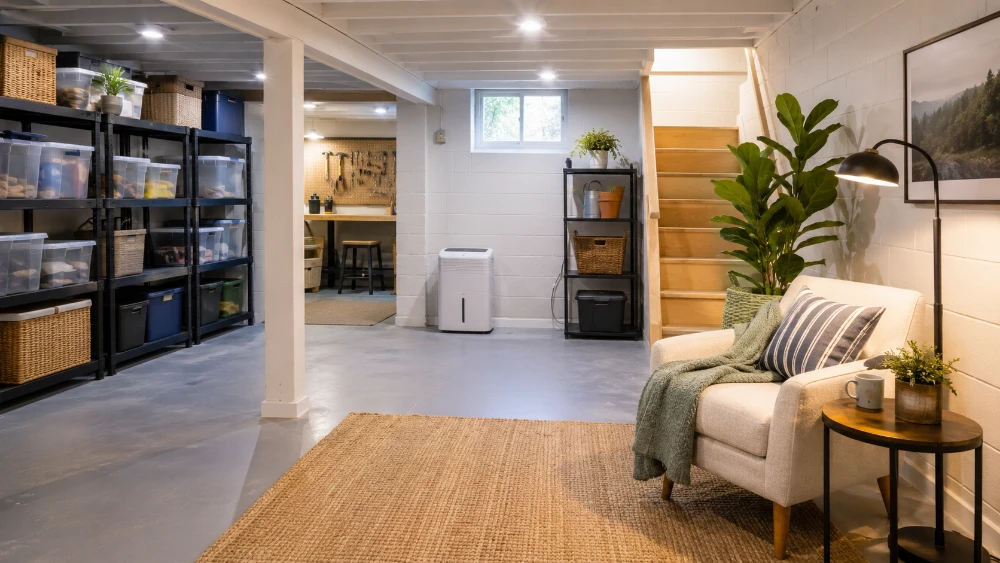
Basements are often treated as an afterthought. They become storage areas for holiday decorations, unused furniture, tools, and boxes that have not been opened in years. However, with a few practical DIY projects, even an unfinished or partially finished basement can become a cleaner, brighter, and more useful part of the home.
The key is to address moisture and maintenance concerns before investing too much time or money into decorating. A beautiful rug or freshly painted wall will not hold up well if water regularly enters the basement.
Here are nine approachable ways to refresh your basement while also creating a space that feels more comfortable and intentional.
1. Start With a Thorough Inspection
Before making cosmetic improvements, walk through the basement and look for signs of moisture.
Pay attention to:
- Dark or discolored areas on walls
- Peeling or bubbling paint
- White, powdery deposits on concrete
- Damp carpeting or flooring
- Rust on metal shelving or appliances
- Musty odors
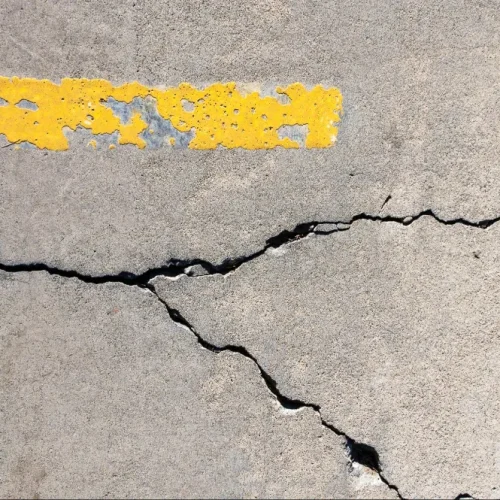
- Cracks in walls or floors
- Water stains near basement windows
Try to inspect the basement shortly after a period of heavy rain. Problems that are difficult to notice during dry weather may become much more obvious after a storm.
Minor condensation can sometimes be reduced with better ventilation or a dehumidifier. However, recurring puddles, foundation cracks, or active water seepage should be evaluated before the basement is decorated or finished.
2. Declutter Before You Decorate
A basement will immediately feel brighter and more spacious once unnecessary items are removed.
Sort stored belongings into four groups:
- Keep
- Donate
- Sell
- Discard
Avoid keeping cardboard boxes directly on the basement floor. Cardboard can absorb moisture and deteriorate over time. Replace it with clear plastic storage containers that have secure lids.
Clear containers also make it easier to identify what is inside without opening every bin. Add simple labels to the front so seasonal decorations, tools, clothing, and household supplies can be found quickly.
Once the room is decluttered, you will have a much better idea of how the available space can be used.
3. Give Concrete Walls a Fresh Appearance
Painting basement walls is one of the most noticeable DIY improvements you can make, but preparation is especially important.
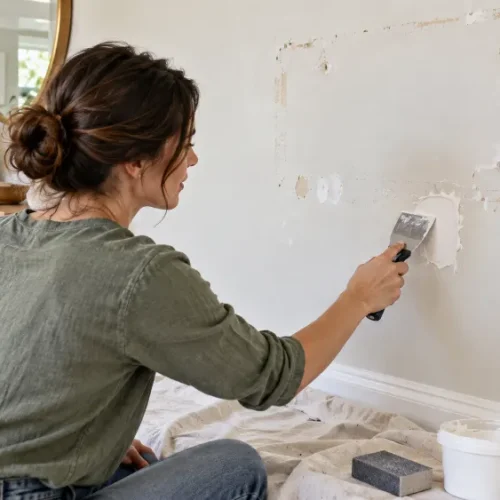
First, make sure the wall is clean, dry, and free of loose paint. Use a stiff brush to remove dust or flaking material. Any visible cracks or areas of water intrusion should be addressed before painting.
Choose a coating intended for masonry or concrete rather than standard interior wall paint. Masonry products are designed to adhere to porous surfaces and withstand basement conditions more effectively.
Lighter colors usually work best in spaces with limited natural light. Soft white, warm gray, pale beige, or muted blue can make the room feel larger without giving it a stark, unfinished appearance.
Avoid using paint as a way to conceal an ongoing moisture problem. If the wall becomes damp after storms, determine where the water is coming from before applying another coating.
4. Upgrade the Lighting
Many basements rely on one or two exposed bulbs, which can make the entire area feel dark and uninviting.
Improving the lighting can transform the room even when no major renovation is planned.
Consider combining:
- Bright overhead fixtures
- LED shop lights for work or storage areas
- Floor lamps for seating areas
- Battery-powered lights inside cabinets
- Motion-activated lights near stairs
- Warm accent lights around shelving
Use brighter, cooler lighting in laundry rooms, workshops, and storage areas. Warmer bulbs can make a basement family room, hobby area, or reading corner feel more comfortable.
Mirrors can also help distribute available light. Position a mirror across from a basement window or near a lamp to reflect light into darker sections of the room.
5. Create a Defined Storage Wall
Instead of placing boxes and shelves throughout the basement, dedicate one wall to organized storage.
Install sturdy shelving and arrange containers by category. Frequently used items should be kept at eye level, while seasonal or rarely used belongings can go on higher shelves.
A curtain can be installed in front of an open storage wall to create a cleaner appearance. Mount a basic curtain rod to the ceiling or between two walls and use an inexpensive canvas drop cloth as the curtain.
This is a budget-friendly way to hide storage without constructing a permanent wall. It also allows easy access when you need something.
Keep stored belongings several inches away from foundation walls whenever possible. This makes it easier to inspect the wall and allows air to move around the storage area.
6. Improve the Floor Without a Major Renovation
Concrete basement floors can feel cold and unfinished, but you do not necessarily need to install permanent flooring.
For a low-cost update, consider:
- Interlocking floor tiles
- Removable vinyl tiles
- Indoor-outdoor rugs
- Foam mats for a workout area
- A concrete floor coating
- Raised flooring panels designed for basements
Choose materials that can tolerate humidity and occasional moisture. Thick carpeting and absorbent rug pads may not be the best choices in a basement with a history of dampness.
Before covering the floor, look for cracks, low areas, or signs that water has collected there. Any moisture issue should be addressed before installing materials that could trap water underneath.
7. Build a Simple Multipurpose Corner
You do not have to finish the entire basement to make it more useful. Instead, concentrate on improving one small section.
A basement corner can become:
- A craft station
- A home gym
- A reading area
- A children’s play space
- A gardening and potting station
- A workshop
- A seasonal wrapping station
- A home office
Use a rug or floor tiles to visually define the area. Add a table, comfortable chair, task lighting, and wall-mounted storage.
Focusing on one section makes the project more manageable and provides an immediate result. Additional areas can be improved later as time and budget allow.
8. Add Décor That Can Handle Basement Conditions
Basement décor should be attractive, but it should also be practical.
Choose items that are easy to clean and less likely to be damaged by humidity. Metal shelving, plastic storage, washable fabrics, treated wood, and framed prints are generally easier to maintain than delicate textiles or unfinished wood furniture.
Good basement décor ideas include:
- Framed posters or family photos
- Painted pegboards
- Wall-mounted baskets
- Decorative storage trunks
- Washable pillow covers
- Faux plants
- Vintage signs
- Removable wall decals
- Repurposed cabinets or shelving
Thrift stores and online marketplaces can be excellent sources for inexpensive basement furniture. A secondhand cabinet, table, or bookshelf can be cleaned, painted, and repurposed for a fraction of the cost of buying new furniture.
9. Know When a Problem Is Beyond a DIY Fix
Homeowners can handle many basement improvements themselves, but continuing water intrusion is not something that should be covered with paint, flooring, or décor.
A professional evaluation may be appropriate when you notice:
- Water entering after most storms
- Cracks that appear to be widening
- Bowing or shifting foundation walls
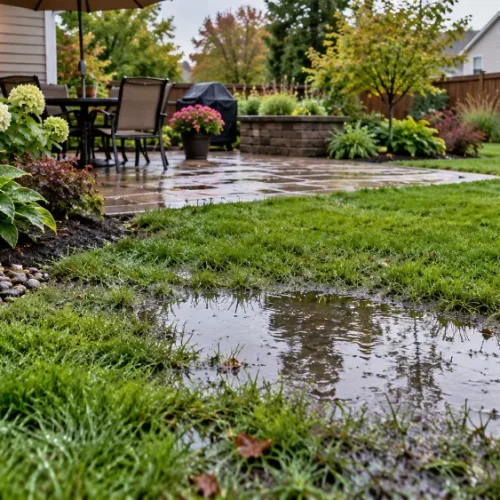
- Repeated puddles in the same location
- Persistent dampness despite using a dehumidifier
- Water entering where the wall meets the floor
- Efflorescence that continually returns
- Finished materials that repeatedly become damaged
The underlying cause may involve exterior drainage, foundation cracks, hydrostatic pressure, basement waterproofing, or another issue that cannot be corrected with a surface-level repair.
If you are experiencing these issues in New Jersey, look to Blue Umbrella Waterproofing for help identifying the source of the problem and determining the appropriate solution.
Create a Basement You Actually Want to Use
Refreshing a basement does not have to involve an expensive remodel. Cleaning, organizing, improving the lighting, painting appropriate surfaces, and creating one dedicated activity area can make a significant difference.
Start by making sure the space is dry and structurally sound. From there, focus on smaller projects that improve both appearance and function.
A basement that once felt like forgotten storage can gradually become an organized workshop, comfortable hobby area, home gym, or welcoming extension of the living space.