This post contains affiliate links. As an Amazon Associate, I earn from qualifying purchases, at no extra cost to you. See our disclosure policy.
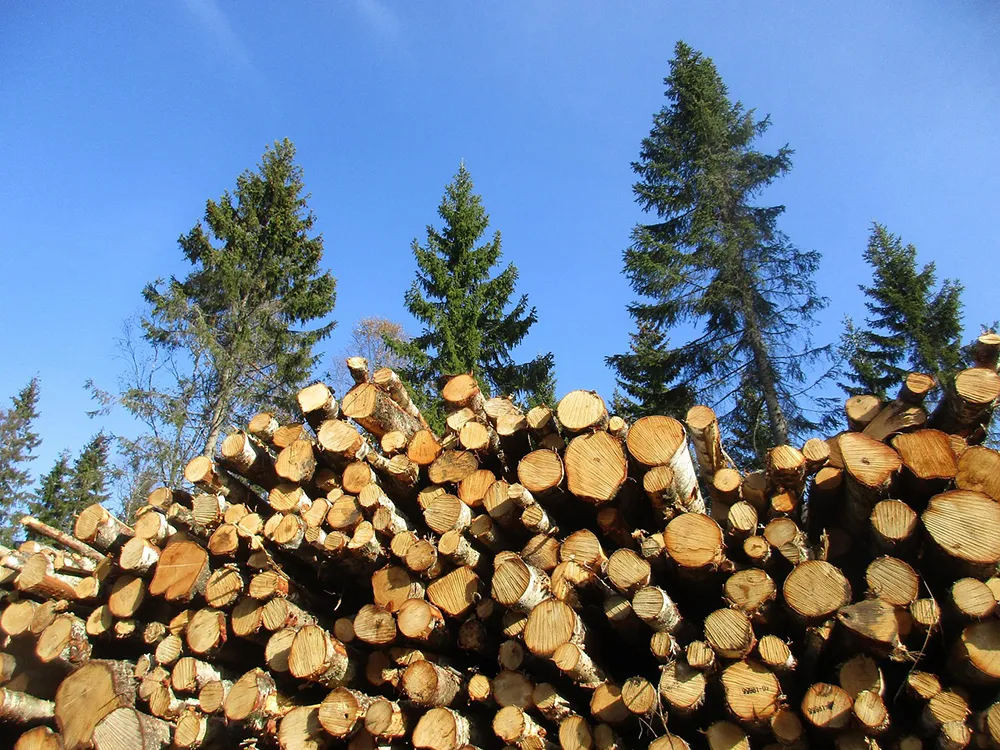
Reclaimed wood has moved far beyond a passing trend in construction and interior design. Builders, architects, and homeowners alike are increasingly turning to salvaged timber for its character, durability, and sustainability credentials.
Unlike many modern materials designed to imitate age and texture, reclaimed timber has developed its appearance naturally. Every mark, colour variation, nail hole, and worn edge reflects how the wood was previously used. That history gives renovation projects a sense of authenticity that is difficult to achieve with newly manufactured products.
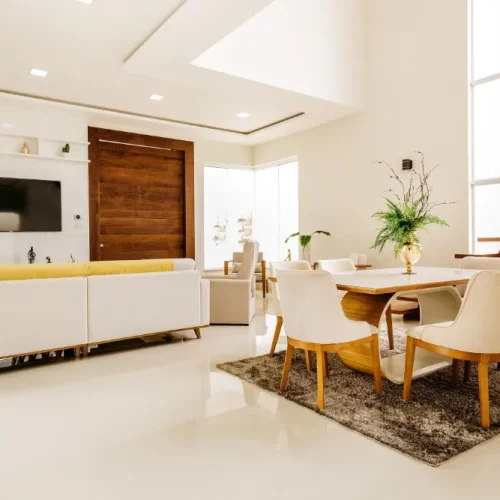
Reclaimed beams can also work in a surprisingly wide range of interiors. They are commonly associated with rustic barns and traditional farmhouses, but they can be equally effective in contemporary homes, industrial lofts, commercial spaces, and minimalist renovations. When used carefully, the warmth and irregularity of old wood can soften clean architectural lines and prevent a modern interior from feeling too sterile.
However, the appeal of reclaimed beams is not based on appearance alone. Their age, density, stability, and environmental value can make them a practical material choice. For renovators who want to combine visual impact with long-term performance, reclaimed timber offers several advantages worth examining.
The Appeal of Salvaged Timber in Modern Construction
There is something genuinely distinctive about a beam that has already spent decades or even centuries inside a barn, mill, or farmhouse. The wood has dried naturally over time, which makes it dimensionally stable in ways that freshly cut timber simply cannot match. Knots, saw marks, and weathered patina are not flaws in reclaimed wood but rather qualities that add depth and authenticity to a space.
For renovation projects especially, salvaged beams integrate well with existing structures. Their aged appearance bridges the visual gap between old and new elements, making transitions feel intentional rather than forced. This is one of the reasons why reclaimed timber has become a go-to material for loft conversions, barn renovations, and heritage restorations.
Beyond aesthetics, there is a strong environmental argument. Using reclaimed wood reduces the demand for freshly harvested timber and keeps high-quality material out of landfill. Many old-growth trees that were felled generations ago are no longer available commercially, so reclaiming their timber preserves a resource that cannot be replicated today.
This combination of history and performance is especially valuable when renovating an older property. Newly sawn beams can sometimes look noticeably out of place next to aged brickwork, lime plaster, original flooring, or historic stone. Reclaimed timber already has the visual maturity needed to sit comfortably beside these materials.
The same principle applies when adding a modern extension to a traditional building. Salvaged beams can create a visual link between the original structure and the new space. A single exposed beam, timber lintel, or reclaimed ceiling framework can help connect two architectural periods without attempting to disguise the difference between them.
Where Reclaimed Beams Can Be Used
Reclaimed beams can perform both structural and decorative roles, depending on their condition, dimensions, species, and preparation. Before choosing a beam, renovators should be clear about whether it will carry weight or simply create the appearance of an exposed structural element.
Common applications include:
- Exposed ceiling beams
- Structural posts and supports
- Fireplace mantels
- Doorway lintels
- Open-plan room dividers
- Shelving and built-in furniture
- Stair components
- Decorative wall features
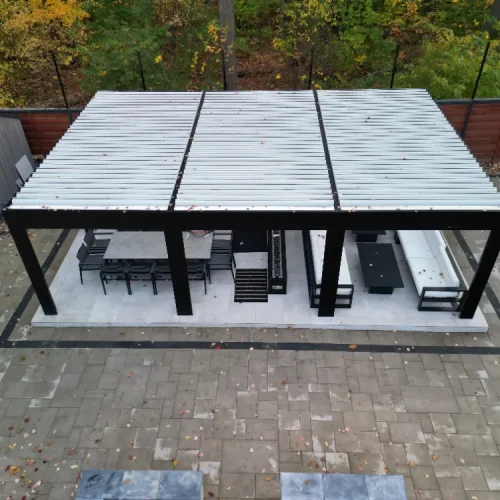
- Pergolas and covered outdoor areas
- Retail, restaurant, and hospitality interiors
A structural application requires professional assessment. The beam may need to be graded or evaluated by a qualified engineer or timber specialist to confirm that it can safely support the intended load. Historic mortises, cracks, insect damage, concealed metalwork, or sections weakened by previous use can all influence performance.
Decorative beams involve fewer structural concerns, but they still require careful selection. A heavily weathered beam may be visually impressive while also containing loose fibres, embedded dirt, old nails, or unstable surfaces. Proper cleaning and preparation will help preserve the character without allowing the material to become impractical inside the home.
For homeowners who want the look of a substantial beam without adding excessive weight, reclaimed timber can sometimes be cut or fabricated into a hollow box beam. This approach preserves an authentic outer surface while simplifying installation around wiring, ductwork, or existing structural elements.
Reclaimed Wood Adds a Strong Architectural Focal Point
One of the biggest benefits of a reclaimed beam is its ability to define a room. A single piece of timber can create a strong visual anchor without requiring excessive decoration.
In an open-plan renovation, for example, an exposed beam can mark the transition between a kitchen and living area. It creates separation without adding a wall or reducing natural light. Reclaimed posts can serve a similar purpose by framing a dining area, staircase, or entryway.
Ceiling beams also help adjust the perceived proportions of a room. In a large space with a high or vaulted ceiling, timber beams can add warmth and make the room feel more grounded. In smaller rooms, narrower beams installed in a simple pattern may create texture without overwhelming the ceiling.
The placement, scale, and finish should always respond to the building. Oversized beams can look convincing in a converted barn but may feel visually heavy in a compact modern home. Conversely, beams that are too narrow may appear decorative rather than integrated into the architecture.
A good design begins by considering the beam as part of the room’s structure, even when it is decorative. Aligning it with walls, openings, rooflines, fireplaces, or cabinetry will help the installation feel purposeful.
What Makes Oak a Particularly Valuable Reclaimed Material
Not all reclaimed wood behaves the same way, and species selection matters enormously in structural and decorative applications. Oak is one of the most sought-after options because of its exceptional hardness, natural resistance to moisture, and long-term structural integrity. When sourced responsibly, reclaimed oak beams offer a combination of strength and visual warmth that is difficult to replicate with any other material.
Oak also takes surface treatments well, meaning it can be left in its raw, weathered state or finished to suit a more polished interior. This versatility makes it suitable for exposed ceiling beams, structural supports, flooring, and decorative cladding alike.
One important consideration when working with reclaimed oak is sourcing. The quality of salvaged beams varies depending on where they were originally used and how they were stored after removal. Working with a specialist supplier ensures that the material has been properly inspected, cleaned, and prepared for its next life in construction.
Reclaimed oak beams bring together durability, sustainability, and character in a way that few building materials can. Whether you are working on a new-build with a rustic aesthetic or restoring an existing structure, salvaged timber deserves serious consideration as a primary material rather than an afterthought.
Oak is particularly well suited to prominent applications because it combines visual character with substantial physical strength. Its grain can range from relatively straight and restrained to highly figured, depending on how the timber was cut and how it aged.
How Reclaimed Timber Supports Sustainable Renovation
Renovation already involves working with an existing building rather than starting from scratch. Using reclaimed materials extends that principle by preserving resources that have already been harvested, processed, transported, and used.
Reusing a beam can reduce the amount of timber entering the waste stream. It may also lower the need for new material, although the total environmental impact will depend on factors such as transportation distance, cleaning methods, processing, and installation requirements.
The sustainability benefits are strongest when reclaimed timber is sourced responsibly and used appropriately. A beam that requires excessive reconstruction, chemical treatment, or long-distance shipping may have a different environmental profile from locally salvaged material requiring minimal preparation.
Buyers should therefore ask practical questions rather than relying only on broad environmental claims:
| Question | Why It Matters |
|---|---|
| Where was the timber recovered? | Helps establish its origin and transportation requirements |
| What was its previous use? | May reveal exposure to moisture, chemicals, smoke, or contaminants |
| Has it been kiln-dried or moisture tested? | Reduces the risk of movement and hidden insect activity |
| How was the surface cleaned? | Clarifies whether character marks and patina have been preserved |
| Is the species confirmed? | Important for strength, appearance, and treatment decisions |
| Is it approved for structural use? | Essential when the beam will carry a load |
| Are metal objects still embedded? | Old nails and bolts can affect cutting and installation |
Traceability is valuable because it turns reclaimed timber from an unknown second-hand product into a documented construction material. Reliable suppliers should be able to explain where their stock came from, how it was inspected, and what preparation has been completed.
Understanding the Difference Between Character and Damage
The imperfections in reclaimed beams are part of their appeal, but not every imperfection is harmless. Renovators must distinguish between attractive ageing and deterioration that affects safety or longevity.
Surface checks, saw marks, nail holes, mortises, colour variation, and worn edges may all contribute to the beam’s appearance. Depending on the application, these features can usually remain visible.
More serious concerns may include:
- Active wood-boring insects
- Deep decay or soft areas
- Extensive water damage
- Large cracks affecting structural capacity
- Chemical contamination
- Severe twisting or warping
- Hidden metal fasteners
- Excessive moisture
- Weak sections around old joints
A professional supplier should inspect beams for these issues before sale. For structural installations, an engineer or qualified specialist may also specify minimum dimensions, acceptable defects, reinforcement requirements, or restrictions on where the timber can be cut.
Old joints require particular attention. A mortise left from a beam’s previous use may be visually interesting, but it also removes material from the section. Its location may influence whether the beam remains suitable for a new structural role.
Preparing Reclaimed Beams for Interior Use
Preparation should preserve the beam’s history while making it suitable for a clean, safe, and comfortable interior.
The process may include dry brushing, vacuuming, careful washing, metal detection, nail removal, sanding, kiln drying, pest treatment, trimming, or sealing. The appropriate level of preparation depends on the beam’s condition and the desired appearance.
Heavy sanding can remove much of the aged surface that made the timber desirable in the first place. For that reason, many projects use limited hand cleaning or gentle brushing rather than aggressive mechanical refinishing.
A sample area should be tested before applying oil, wax, stain, or sealant. Old timber can absorb finishes unevenly, and a product that looks subtle on new wood may darken reclaimed oak significantly.
Different finishing approaches produce different results:
| Finish | Typical Result | Suitable For |
|---|---|---|
| No added finish | Most natural, dry appearance | Low-contact decorative beams |
| Clear matte sealer | Preserves colour while reducing dust | Interior ceiling beams |
| Hardwax oil | Enriches grain and offers light protection | Mantels, shelves, and touchable surfaces |
| Traditional wax | Soft sheen and aged appearance | Decorative interior joinery |
| Stain and sealer | Adjusts colour more noticeably | Projects requiring greater tonal consistency |
Fire safety requirements should also be considered, especially in commercial interiors or where beams are installed close to a stove, fireplace, or other heat source. Local building regulations may require minimum clearances or specific fire-resistant treatments.
Planning the Installation
Reclaimed beams are often heavy, irregular, and difficult to handle. Even decorative pieces may require specialist lifting equipment or a team of installers.
Accurate measurements are essential. Old beams are rarely perfectly square, and dimensions can vary along their length. Installers should measure several points rather than relying on a single width or depth.
Before installation, confirm:
- The beam’s final orientation
- Which face will remain most visible
- The position of cracks, joints, and historic marks
- The location of hidden steel or electrical services
- The fixing method
- Access for lifting equipment
- Whether nearby walls or ceilings require reinforcement
- Whether the beam needs time to acclimatise indoors
Structural beams may require concealed steel plates, brackets, bolts, or engineered connections. Decorative beams can often be attached to timber blocking or a concealed support frame, but the fixing system must still account for the beam’s weight.
The installation should not rely on the beam’s appearance as proof of strength. A thick piece of timber may still contain weakened areas, while a smaller beam in excellent condition may perform better. Engineering decisions should be based on assessment rather than visual assumptions.
Pairing Reclaimed Beams With Other Materials
Reclaimed timber works especially well when contrasted with materials that have different textures and levels of refinement.
Popular combinations include reclaimed oak with:
- White or limewashed walls
- Exposed brick
- Natural stone
- Polished concrete
- Blackened or powder-coated steel
- Frameless glass
- Handmade tiles
- Modern cabinetry
- Brass or bronze lighting
- Smooth plaster finishes
The contrast between rough timber and clean surfaces allows both materials to stand out. In a modern kitchen, for instance, a weathered beam can add warmth above flat-front cabinetry. In a traditional renovation, oak can complement stone floors, panelled walls, and handcrafted joinery.
Lighting is another important consideration. Grazing light directed along the surface of a beam will emphasise saw marks, grain, and irregular edges. Softer ambient light creates a more understated effect.
Electrical cables and fixtures should be planned before installation. Cutting channels into an old beam after it has been fitted can damage the surface or reveal unexpected nails and metalwork.
Budgeting for Reclaimed Wood Beams
Reclaimed timber is not always cheaper than new wood. Its price reflects recovery, transport, storage, inspection, cleaning, grading, metal removal, cutting, and preparation.
Large oak beams with desirable dimensions and strong provenance may command a premium. Unusual lengths and matching sets can also be more expensive because suitable stock is limited.
A complete budget should include more than the purchase price:
| Cost Area | Examples |
|---|---|
| Timber | Beam price, matching pieces, wastage allowance |
| Preparation | Cleaning, sanding, drying, pest treatment, finishing |
| Design | Architectural drawings and structural calculations |
| Transport | Specialist delivery for long or heavy beams |
| Installation | Labour, lifting equipment, brackets, bolts, steel supports |
| Finishing work | Ceiling repairs, plastering, painting, electrical changes |
| Maintenance | Periodic cleaning or reapplication of protective finishes |
Ordering early can prevent delays. Reclaimed beams are not standardised products, and an exact replacement may not be readily available if a selected piece is damaged or unsuitable.
Questions to Ask Before Buying
Before committing to reclaimed timber, homeowners and contractors should obtain as much information as possible about the material.
Useful questions include:
- What species is the beam?
- Where was it reclaimed from?
- What are its minimum and maximum dimensions?
- Has it been checked for active insects?
- Has it been moisture tested or kiln-dried?
- Are nails, bolts, or metal fragments present?
- Is it suitable for structural use?
- Has any chemical treatment been applied?
- Can photographs of every face be provided?
- What preparation is included in the price?
- How should the beam be stored before installation?
- What finish does the supplier recommend?
For online purchases, photographs should show the entire beam rather than only close-up texture images. Ask to see the ends, all four faces, existing joints, major cracks, and any damaged areas.
Long-Term Care and Maintenance
Interior reclaimed beams generally require modest maintenance once they have been properly prepared and installed.
Dust can be removed with a soft brush or vacuum attachment. Harsh detergents and excessive water should be avoided, particularly on unfinished timber. If the beam has been treated with wax or oil, the finish may need occasional renewal depending on exposure and handling.
Changes in indoor humidity can cause some seasonal movement. Small surface checks may open or close throughout the year without indicating structural failure. However, new major cracks, sagging, persistent moisture, insect dust, or movement around fixings should be investigated.
Exterior reclaimed timber requires more attention because it is exposed to rain, temperature changes, sunlight, and biological growth. The species, detailing, drainage, ventilation, and protective finish will all affect durability.
A Material With Both History and Future Value
Reclaimed wood beams offer something rare in renovation: they contribute history without preventing a building from moving forward.
They can preserve valuable timber, reduce waste, introduce natural texture, and create a strong connection between old and new architecture. At the same time, they require careful sourcing, inspection, design, and installation.
The smartest approach is to treat reclaimed timber as a serious building material rather than a decorative novelty. Ask where it came from. Understand how it was prepared. Confirm whether it is suitable for its intended role. Work with experienced suppliers, designers, and installers when structural performance is involved.
When those steps are followed, reclaimed beams can become some of the most memorable and enduring elements in a renovation. Their marks and irregularities do not simply imitate history. They carry it into the next stage of the building’s life.