This post contains affiliate links. As an Amazon Associate, I earn from qualifying purchases, at no extra cost to you. See our disclosure policy.
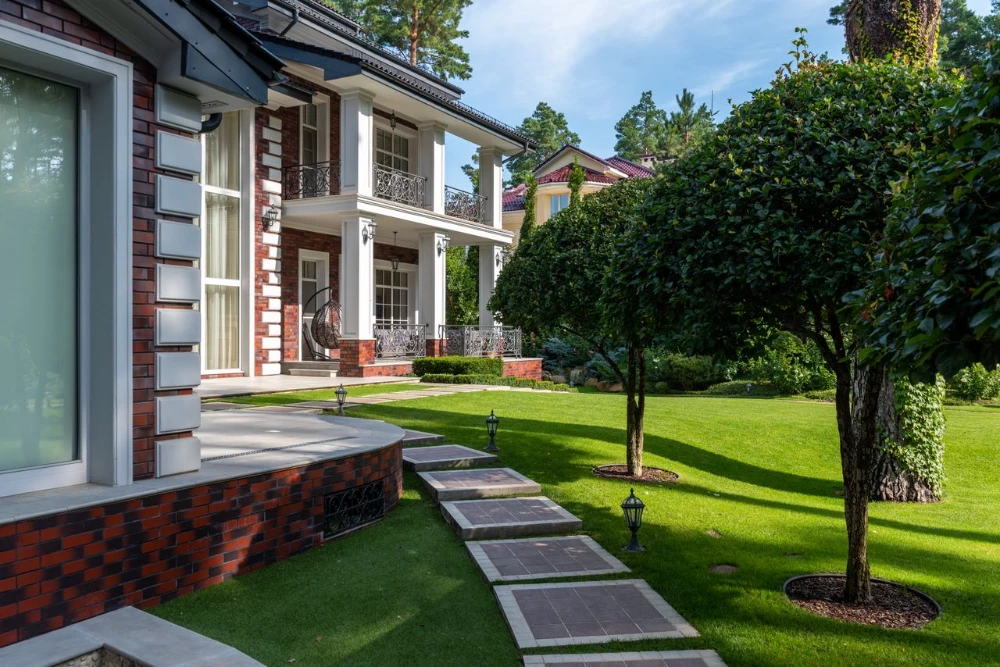
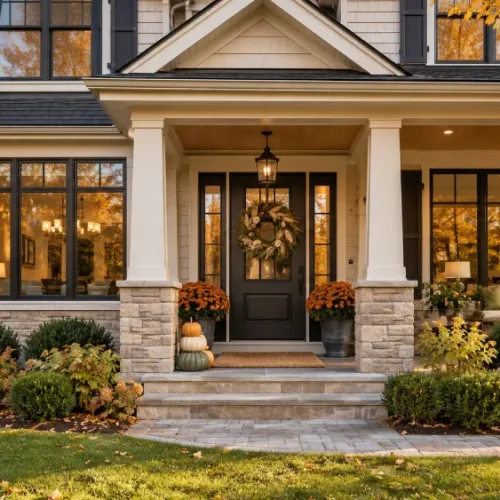
Atlanta homeowners enjoy the beauty of four distinct seasons, but each season brings unique challenges for maintaining an attractive outdoor space. From scorching summer temperatures to mild winters and heavy spring rainfall, every change in weather affects the health and appearance of your landscape. Planning your yard with every season in mind helps you maintain curb appeal, enhance outdoor functionality, and protect your investment year-round.
Whether you are refreshing your front yard or designing a complete outdoor living area, working with a professional landscaping Atlanta company ensures your landscape complements the local climate while remaining beautiful year-round.
With the right combination of plants, hardscaping, and maintenance strategies, your yard can become a space you enjoy during every season.
Why Seasonal Landscaping Matters in Atlanta
Atlanta’s climate supports diverse plant life, but changing seasons demand different strategies. Rather than treating landscaping as a one-time project, successful homeowners view it as an ongoing investment. Seasonal planning allows you to anticipate weather changes, improve plant health, and reduce long-term maintenance costs.
A well-designed landscape provides functional benefits beyond curb appeal. Healthy lawns prevent soil erosion, strategically placed trees provide natural shade to lower energy costs, and properly installed drainage systems protect your home’s foundation. These improvements ultimately contribute to higher property values by creating outdoor spaces that remain usable year-round.
Spring Landscaping Ideas
Spring is the foundation of your landscape’s health. As plants emerge from dormancy, you have a brief window to set the stage for the months ahead.
Repair Winter Lawn Damage
Clear winter debris to allow sunlight and airflow to reach the soil. Address thin turf with overseeding and use aeration and timed-release fertilizer to promote the deep root growth necessary for summer resilience.
Plant Native Flowers That Thrive in Georgia
Native species like azaleas, oakleaf hydrangeas, and Eastern redbuds are inherently more resilient to Atlanta’s pests and droughts. Layering these shrubs with ornamental grasses ensures visual depth that persists beyond spring.
Refresh Garden Beds with Mulch
A fresh layer of organic mulch suppresses weeds and retains soil moisture. Simultaneously, inspect your irrigation system; upgrading to “smart” technology that uses local weather data is an efficient way to conserve water and ensure consistent plant health.
Summer Landscaping Ideas
Atlanta’s summer demands a strategy centered on heat tolerance and comfortable outdoor living.
Choose Heat-Tolerant Plants
Focus on resilient species like lantana, salvia, coneflowers, and crape myrtles. These bloom vibrantly throughout the heat while requiring less supplemental watering once established.
Create an Outdoor Living Space
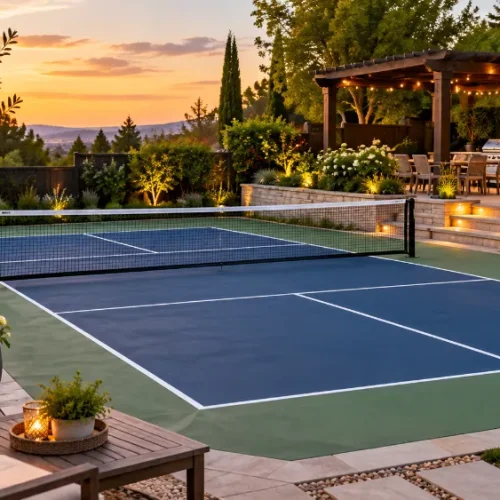
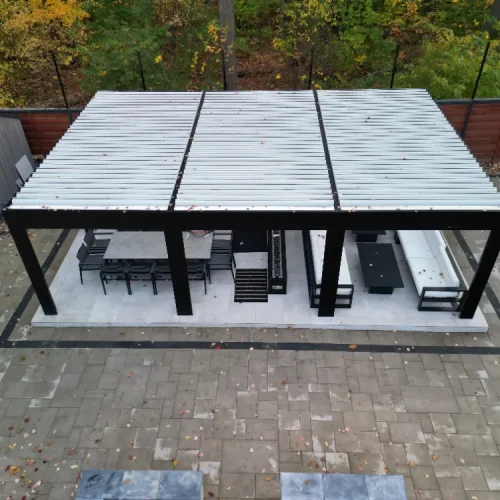
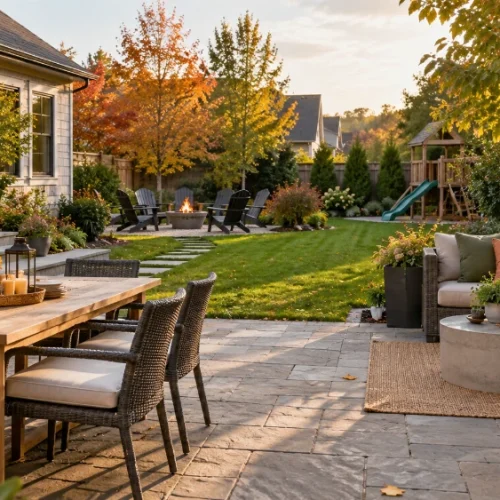
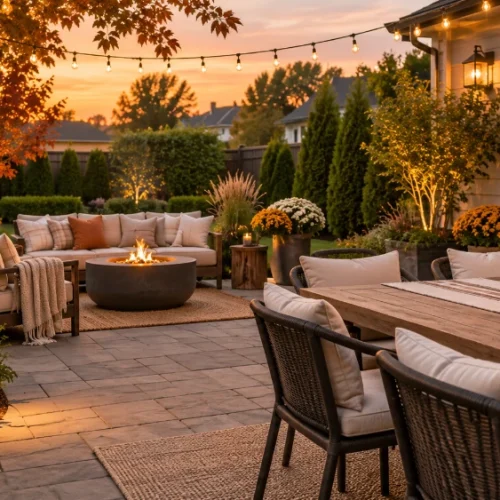
Maximize your property’s utility by adding paver patios, pergolas, or fire pits. Pair these with ambient lighting to extend your usable living space well into the cool evening hours.
Add Shade Trees for Comfort
Mature trees like southern oaks and maples provide natural climate control. Planting native hardwoods is a long-term investment that reduces energy costs by blocking direct sunlight and lowering ambient temperatures.
Fall Landscaping Projects
Fall is arguably the most productive season for growth, as cooling air and warm soil create ideal conditions for root establishment.
Plant Trees and Shrubs
Fall is the best time to plant new trees and shrubs like dogwoods and magnolias. They can focus energy on root development without the stress of summer heat, ensuring they are well-established by spring.
Aerate and Overseed Your Lawn
Aerate and overseed to thicken your turf. A dense lawn going into winter is far more resistant to weeds and damage.
Prepare Your Yard for Heavy Rainfall
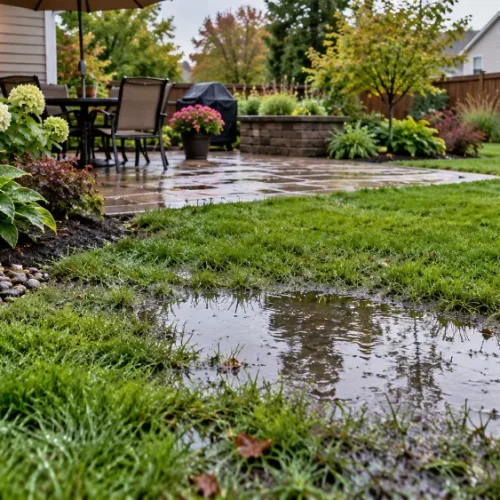
Use fall to address drainage issues like standing water with French drains or improved grading. Cooler, drier temperatures also provide the best conditions for building stone walkways or retaining walls.
Winter Landscaping Ideas
Winter is a season of dormancy, providing the perfect opportunity to focus on the “bones” of your landscape.
Evergreen Plants That Keep Color All Winter
Incorporate boxwoods, hollies, and junipers to ensure your yard remains vibrant and green even in January. These provide a sense of permanence and architectural interest when other plants fade.
Prune for Spring Growth
Winter is ideal for pruning; without dense foliage, you can easily evaluate branch structure and remove dead or crossing limbs. Use this downtime to evaluate your yard’s performance and plan next year’s upgrades, ensuring you are ready to begin work as soon as spring arrives.
Key Features for Year-Round Appeal
While seasonal projects keep your landscape healthy, certain features continue to enhance your outdoor space regardless of the time of year.
| Feature | Primary Benefit |
| Native Plants | Sustainable, low-maintenance, and supports local pollinators. |
| Layered Planting | Ensures color and texture are present in every season. |
| Smart Irrigation | Conserves water while ensuring consistent plant health. |
| Hardscaping | Adds year-round functionality, aesthetic value, and stability. |
Partner with Professionals for Lasting Results
A beautiful landscape requires a balance of planning, quality materials, and expert installation. While DIY maintenance is rewarding, larger projects often benefit from professional oversight.
Urban Nature Landscape provides comprehensive services designed to simplify the process. From custom landscape design and hardscaping to professional-grade irrigation and drainage solutions, they offer the expertise needed to navigate Atlanta’s specific climate. With over a decade of experience and a commitment to quality, they help homeowners create outdoor spaces that remain functional and beautiful throughout the year.
Conclusion
Creating a landscape that looks exceptional throughout the year is a process of seasonal evolution. By understanding Atlanta’s climate, you can move away from reactive maintenance and toward proactive, year-round landscaping. Spring is for growth, summer for durability and comfort, fall for foundational health, and winter for structural maintenance and planning.
When you treat your landscape as a long-term investment, you create more than just a yard; you build a lasting outdoor retreat that adds value and joy to your home in every season.