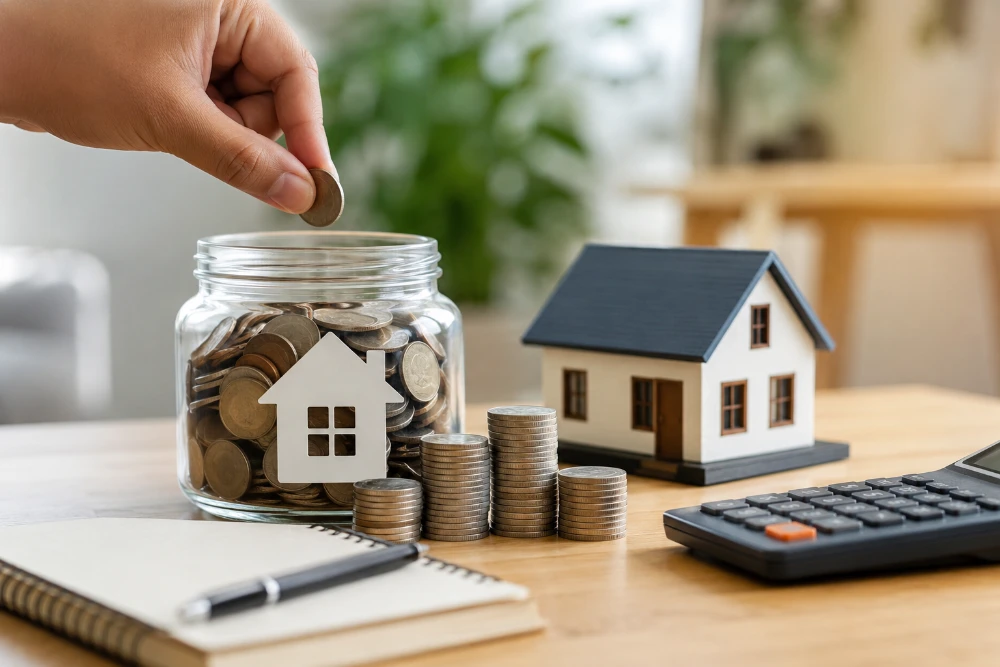
A down payment is a common first step to owning a house, car, or other high-value goods. But often, it also represents a significant hurdle in making major purchases. Down payments typically account for a percentage of a home or item’s total selling price, usually up to 30%. Depending on the purchase, even a minimal down payment amount can require a bit of time, planning, and discipline to save up for.
Saving for a down payment can be a struggle, especially if it’s for a big purchase like a vehicle or a home. The process can feel particularly overwhelming when you’re balancing everyday expenses with long-term goals. Below are practical and realistic ways to build your down payment savings so you can move closer to your goal with more confidence and less financial stress.
1) Set a Clear Savings Target
The first step in saving for a down payment is being clear about what exactly you are working toward. A defined savings target helps turn a vague idea into a measurable goal. Without a specific amount in mind, it becomes harder to track progress or know whether your current saving pace is effective and sustainable. By contrast, determining a realistic figure allows you to make better financial decisions while staying motivated.
Once you identify your target amount, you can break it into smaller milestones. Seeing progress in achievable stages helps maintain momentum and reduces the feeling that the goal remains too distant. Moreover, a clear target helps you adjust your timeline when your income or expenses change, which keeps your plan realistic rather than frustrating.
2) Open a Separate Savings Account
Keeping your down payment savings separate from your everyday spending funds is a small step that can make a significant difference. When savings sit in the same account as routine transactions, it becomes easier to dip into them without realizing how much progress you are losing.
Set up separate accounts to create a psychological boundary that supports better discipline. You should also consider building your down payment savings in digital banks in the Philippines. A Maya Savings account from Maya Bank will allow you to earn up to 15% per annum, which is a big step up from rates offered by traditional financial institutions. This will provide the added benefit of speeding up your down payment savings journey.
Another advantage of separating your savings is clarity. A distinct savings account helps you see clearly how much you have accumulated and how close you are to your goal. This visual progress can be motivating and will encourage consistency, especially during long saving periods when results might otherwise feel slow.
3) Create a Dedicated Down Payment Budget
A focused budget is one of the most practical tools for saving toward a large purchase. Instead of relying on whatever’s left at the end of the month, a dedicated budget intentionally sets aside funds for down payment savings before optional spending occurs. This approach helps you prioritize your goal and reduces the chances of falling short when unexpected expenses arise.
Building a budget does not mean cutting out all discretionary expenses or living under strict limits. A sustainable budget balances daily needs with steady savings contributions. When your savings plan feels realistic, you are more likely to follow it consistently over time, which is what ultimately builds meaningful progress.
4) Reduce Expenses without Sacrificing Stability
Cutting expenses to support down payment savings doesn’t need to feel extreme to be effective. Small adjustments to spending habits can create extra room in your budget without sacrificing daily comfort. The key is identifying areas where you can reduce spending temporarily while maintaining overall stability and well-being.
Sustainable changes tend to work better than drastic measures because they are easier to maintain over time. Rather than strict shifts that lead to burnout, consistent and intentional actions matter more when saving for a down payment. Thoughtful spending decisions will help you stay on track while still maintaining a balanced lifestyle.
5) Increasing Income to Accelerate Savings
In some cases, adjusting expenses may not be enough to meet your savings goal on time. Increasing your income, even temporarily, can help accelerate your savings progress. The extra earnings become more powerful when you commit to directing them specifically toward your down payment funds rather than everyday spending.
That said, finding ways to boost income should still be realistic and sustainable. The goal is to improve your financial position without introducing unnecessary stress or exhaustion. When additional income is paired with a clear savings strategy, it can shorten the time needed to reach your target and keep your motivation high.
6) Avoid Common Down Payment Saving Mistakes
Many people lose momentum because they underestimate the discipline required to leave savings untouched. Using your down payment funds for immediate needs can delay progress and make it harder to recover later. Be sure to preserve your savings for your intended purpose to protect the effort you have already invested.
Another common pitfall is forgetting that large purchases often involve additional costs beyond the down payment itself. If you plan ahead for related expenses, you’ll avoid surprises and keep your financial transition smoother. Regularly review your savings plan to allow yourself to make adjustments early rather than facing setbacks later.
Conclusion
For individuals planning their first major purchase or looking forward to buying a home, saving for a down payment can seem overwhelming. But when approached strategically, this process will become manageable and progress, attainable. With every contribution you make, you’ll be a step closer to turning your long-term goal into a reality.