This post contains affiliate links. As an Amazon Associate, I earn from qualifying purchases, at no extra cost to you. See our disclosure policy.
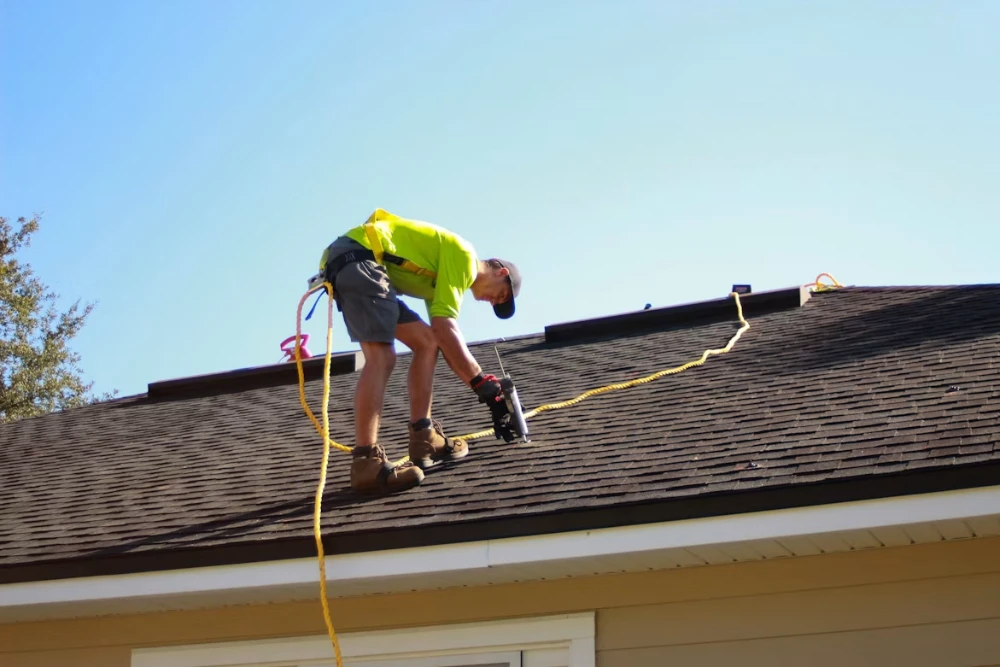
Your roof does a quiet job every day. It blocks rain, handles wind, and takes a beating from the sun without asking for applause. That’s why roof problems can sneak up on you. By the time water drips into a room, the real issue has often been hanging around for a while.
The good news is that you don’t need to be a home expert to spot early clues. A few simple checks can help you catch trouble before your ceiling starts making surprise puddles.
Small Clues Matter
Most roof problems don’t begin with a dramatic leak during dinner. They start small. You might notice shingles that look curled at the edges or patches that seem darker than the rest. If you see lots of shingle granules in your gutters, that’s another clue. Those little grains help protect your roof, so when they wash away, wear and tear is already underway.
You may also spot moss, black streaks, or areas that look uneven from the yard. These don’t always mean disaster, but they do mean it’s worth paying attention. If several signs show up at once, it would be best to have a roofing contractor take a closer look before a minor issue turns into a bigger bill.
Think of it like hearing a weird noise in your car. You can ignore it for a while, but that usually doesn’t end with a happy wallet.
Check After Storms
After a strong storm, your roof deserves a little follow-up. You don’t need to climb up there with binoculars and superhero courage. In fact, staying on the ground is the safer move. Walk around your home and look for obvious changes. Shingles on the lawn, bits of flashing, or dented vents can all point to storm damage.
Heavy wind may lift shingles without ripping them off completely. Hail can leave bruises that are hard to spot from far away but may shorten your roof’s life. Even pounding rain can expose weak spots around chimneys, skylights, and roof edges.
Inside, listen too. A new drip, a damp smell, or a stain that suddenly appears after bad weather is your roof waving a tiny red flag. Storm damage doesn’t always scream. Sometimes it just clears its throat and hopes you notice.
Don’t Ignore Gutters
Your gutters and roof are teammates. When one starts struggling, the other often feels it. If your gutters overflow during a regular rain, that can mean leaves and debris are blocking drainage. Water backing up near the roof edge can lead to wood rot, mold, or damage under the shingles.
Take a look at sagging sections, loose fasteners, or water marks running down the siding. Those signs can suggest that water is not moving away from the house the way it should. And if you find a lot of shingle granules collecting in the gutters, that’s more than just gritty sludge. It can be a sign that your roofing material is aging.
Clean gutters may not be the most exciting weekend plan, but they can reveal useful clues. They’re like your roof’s gossip channel. If something is going wrong up top, the gutters often spill the tea first.
Look Inside Too
Roof problems don’t always announce themselves outdoors. Sometimes the first hints show up inside your home. Ceiling stains are one of the clearest examples. They may look like pale yellow rings or odd brown patches. Peeling paint near the top of walls can also point to moisture sneaking in.
If you have an attic, give it a quick check now and then. Look for damp insulation, dark spots on wood, or a musty smell that wasn’t there before. On sunny days, you might even notice tiny beams of light coming through places where they definitely shouldn’t.
These signs don’t always mean your roof is failing completely. Moisture can come from poor ventilation too. Still, it’s smart to connect the dots early. A small leak above can travel before it shows itself below, which makes the source harder to find. Roofs are sneaky like that.
Age Changes Everything
A roof’s age matters more than many homeowners realize. Even if it looks mostly fine from the ground, older materials naturally become more brittle and less dependable. Asphalt shingle roofs often last a couple of decades, though weather, installation quality, and maintenance can push that number up or down.
If your roof is on the older side, small signs deserve more attention. A single loose shingle on a newer roof may be a quick repair. The same issue on an aging roof can hint that other sections are close behind. Repairs still make sense when damage is limited and the rest of the roof is in decent shape.
Replacement becomes more likely when problems keep returning, large areas look worn, or moisture issues are spreading. It’s a bit like patching old sneakers. At some point, more tape won’t win the battle. Knowing your roof’s approximate age helps you make calmer, smarter decisions.
Know When To Act
Timing matters with roof care. Waiting too long can turn a manageable repair into damaged insulation, ruined drywall, or even mold cleanup. None of those are fun house projects. If you notice more than one warning sign, schedule an inspection sooner rather than later.
It also helps to plan ahead financially. Roof work can be a big expense, but surprise damage usually costs more than early action. Save photos of problem spots, especially after storms, and keep records of any past repairs. That makes future decisions easier and may help with insurance questions if major weather damage happens.
The goal isn’t to panic every time you see a stain or a loose shingle. It’s to stay alert and act before a small issue becomes your home’s main character. A little attention now can save money, stress, and a very awkward bucket in the hallway later.