This post contains affiliate links. As an Amazon Associate, I earn from qualifying purchases, at no extra cost to you. See our disclosure policy.
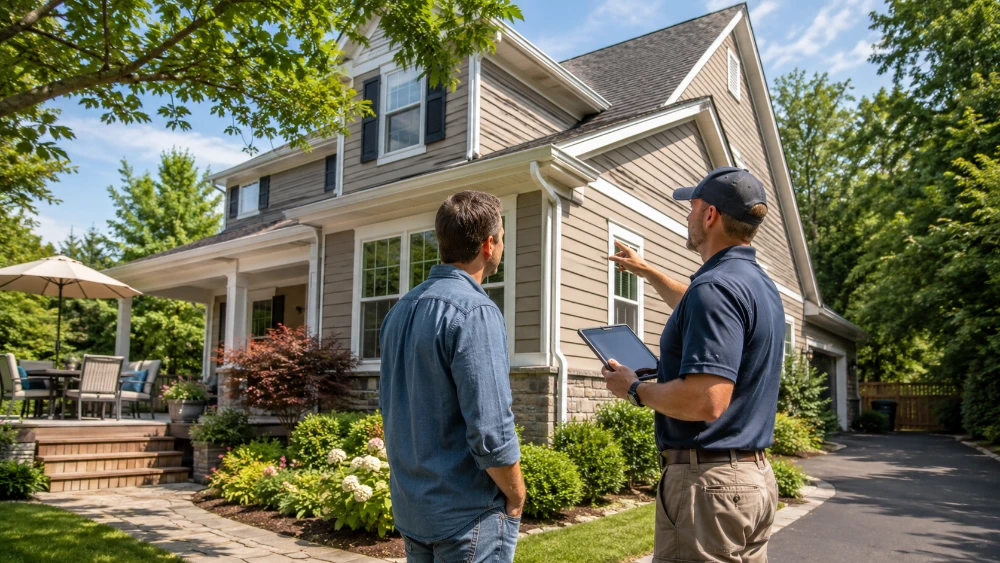
Many homeowners postpone exterior projects because fall feels like the perfect season for outdoor work. The heat is fading, the calendar looks manageable, and cooler weather seems more comfortable. Then reality arrives. Contractors are booked, daylight disappears earlier, rain becomes harder to predict, and projects that seemed simple in July suddenly compete with school schedules, holiday plans, and approaching winter weather.
Waiting can be expensive.
A loose gutter may become a drainage problem. Peeling paint may expose wood to moisture. A small roof issue may turn into an interior leak. Even decorative services, including holiday lighting, can become difficult to schedule because established providers often fill their calendars months before the season begins.
Summer is not automatically the right time for every improvement. However, it usually gives homeowners more options, more daylight, and more room to respond when a contractor discovers something unexpected. That extra flexibility matters.
Below are the exterior projects homeowners most often regret delaying, along with practical ways to plan them before fall pressure begins.
Why Summer Creates Better Working Conditions
Summer gives contractors something they cannot manufacture later: time.
Longer days allow crews to complete more preparation, installation, inspection, and cleanup before darkness arrives. Stable conditions also make it easier to schedule work that requires dry surfaces, predictable curing times, or multiple consecutive workdays.
Weather-sensitive products are another factor. Paint, sealants, stains, adhesives, concrete coatings, and roofing materials often perform best within specific temperature and moisture ranges. If the surface is damp or nighttime temperatures drop too low, the finished result may not cure properly.
That does not mean every job should happen during the hottest afternoon of the year. In warmer regions, contractors may start early, pause during peak heat, or break projects into shorter shifts. The key advantage is flexibility. Summer provides a wider working window.
Fall does the opposite.
Once the season changes, homeowners may face several problems at once:
- Shorter daylight hours
- Increased rain or wind
- Cooler overnight temperatures
- Crowded contractor schedules
- Storm-related emergency work
- Holiday deadlines
- Longer material lead times
A project that needs three dry days may sit unfinished for two weeks if weather keeps interrupting the schedule.
Exterior Painting and Siding Repairs
Exterior painting looks cosmetic, but the paint layer performs an important protective function. It helps shield wood, trim, fascia, and siding from sunlight, moisture, and temperature swings.
Small failures spread quickly.
Peeling paint allows water to reach the material underneath. Cracked caulk creates openings around windows and doors. Damaged siding may let moisture reach insulation or sheathing. Once that happens, the repair is no longer limited to scraping and repainting.
Summer gives homeowners a better chance to solve the underlying problem before applying a new finish.
A proper exterior painting project should include:
- Inspection for rot, cracks, and loose boards
- Removal of failing paint
- Surface cleaning
- Drying time
- Sanding where needed
- Replacement of deteriorated wood
- Caulking and sealing
- Primer on exposed areas
- Two compatible finish coats when appropriate
Do not accept a quote that only says “paint exterior.” Ask what preparation is included. The final coat may look polished for a few months even when the surface underneath was poorly prepared.
Timing matters as well. Paint should not be applied simply because rain is absent at that moment. The surface must be dry, temperatures must remain within the manufacturer’s recommended range, and the coating needs enough time to cure before moisture returns.
Among all exterior projects, painting is one of the easiest to underestimate. It looks straightforward, but preparation determines whether the result lasts two years or ten.
Roof Repairs, Gutters, and Drainage Improvements
Roof and drainage work should rarely be pushed to the bottom of the list.
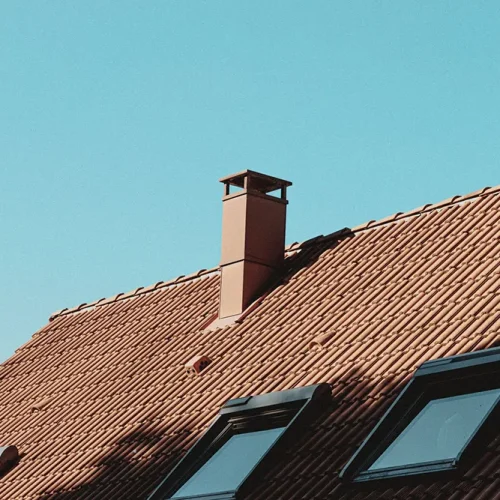
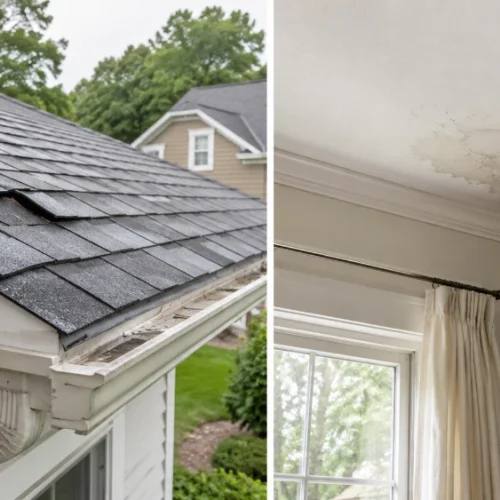
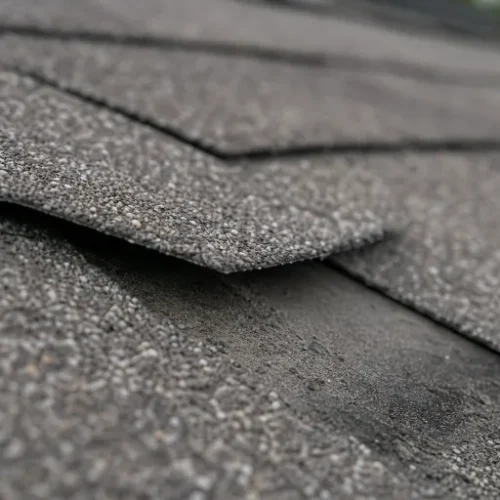
A missing shingle, loose flashing, clogged gutter, or disconnected downspout may not seem urgent during dry weather. Then a heavy autumn storm arrives, and water finds the weakness immediately.
Start by inspecting the property from the ground. Look for:
- Shingles that appear lifted, cracked, or missing
- Rusted or separated flashing
- Sagging gutters
- Water stains under roof edges
- Downspouts that discharge near the foundation
- Soil erosion below roof valleys
- Moss, debris, or plant growth
- Damp areas in the attic
- Interior ceiling discoloration
Avoid climbing onto the roof unless you are trained and equipped to do so. Many warning signs can be documented from the ground using binoculars or a camera with zoom.
Gutter systems deserve equal attention. Their purpose is not simply to collect water. They must move it away from the structure.
A downspout that empties beside the foundation can contribute to basement moisture, crawl-space dampness, soil movement, and landscape erosion. In many cases, adding an extension or adjusting the discharge point is inexpensive compared with repairing water damage later.
Summer also allows time for a second inspection after work is complete. Run water through gutters, check the flow, and verify that extensions remain secure.
Roofing contractors often become overwhelmed after major wind or hail events. Scheduling routine repairs before storm season peaks gives homeowners more time to compare estimates rather than accepting the first available crew.
Deck, Fence, and Wood Restoration
Outdoor wood takes a beating.
Sunlight dries it. Rain penetrates it. Temperature changes cause expansion and contraction. Fasteners loosen, boards split, and protective coatings slowly disappear.
Deck and fence maintenance is another category of exterior projects that works better when surfaces have enough time to dry before treatment.
Begin with a physical inspection. Push gently on railings. Walk the full deck and note movement, soft spots, raised fasteners, splinters, cracked boards, and areas where water collects. Check stairs closely because failed treads or loose handrails create immediate safety risks.
Wood restoration may involve several stages:
- Replace damaged boards and corroded hardware.
- Clean dirt, mildew, and old surface residue.
- Allow the wood to dry thoroughly.
- Sand rough or splintered areas.
- Apply stain or sealer in suitable conditions.
- Keep foot traffic off the surface during curing.
Do not seal damp wood. Trapped moisture can contribute to peeling, discoloration, and premature failure.
Pressure washing also requires restraint. Using excessive pressure can damage the wood fibers and leave a rough surface. A lower-pressure wash combined with the right cleaning product is often safer than blasting the surface at close range.
If a deck is used heavily during summer, schedule the work around travel dates or weekends when it can remain untouched. That is easier in July than in October, when every remaining dry weekend feels valuable.
Driveways, Walkways, Patios, and Steps
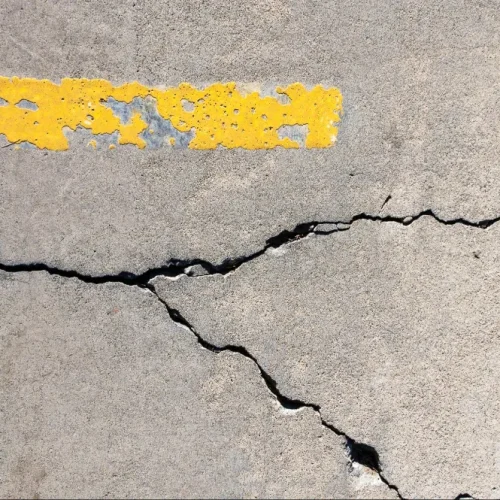
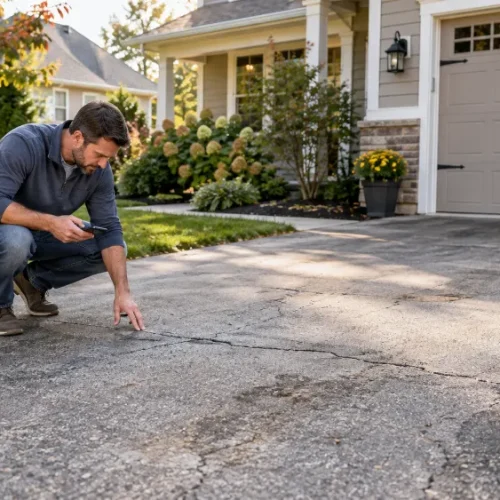
Cracks rarely improve on their own.
Water enters them. Dirt accumulates. Weeds grow. In colder climates, freeze-and-thaw cycles expand minor gaps. Even where freezing is limited, water can weaken joints, wash out supporting material, and make uneven surfaces worse.
Summer is a practical time to address:
- Cracked concrete
- Loose pavers
- Uneven steps
- Sunken walkway sections
- Damaged expansion joints
- Failing sealant
- Slippery organic buildup
- Patio drainage problems
Start by identifying the cause, not just the visible damage. A cracked driveway may result from ordinary aging, but it can also point to poor drainage, soil movement, tree roots, or inadequate base preparation.
Resetting one loose paver is pointless if water continues washing away the sand underneath it.
For concrete repairs, ask the contractor about cure time and traffic restrictions. Some products can handle light use quickly, while others need several days before vehicles or furniture return. Schedule accordingly.
Walkways and steps deserve special priority before fall gatherings. Guests may arrive after dark, surfaces may be wet, and fallen leaves can hide uneven areas. A small trip hazard becomes much more dangerous under those conditions.
Landscaping, Tree Work, and Outdoor Drainage
Trees and landscaping can make a property feel established and attractive. They can also create significant risk when neglected.
A dead branch over a roof should not wait for the first autumn windstorm. Neither should a leaning tree near a driveway, damaged retaining wall, or drainage channel that sends water toward the house.
Walk the property after heavy rain. That is one of the most useful inspections a homeowner can perform. Notice where water flows, where it collects, and how long wet areas remain.
Pay attention to:
- Standing water near foundations
- Mulch piled against siding
- Soil sloping toward the house
- Exposed roots
- Eroded planting beds
- Overflowing drainage channels
- Branches touching the roof
- Trees leaning toward structures
- Cracked or hanging limbs
- Roots lifting paved surfaces
Take photographs while the issue is visible. A contractor can understand drainage problems much faster when shown exactly where water accumulated.
Tree work should be performed by a qualified professional, especially when large limbs, utility lines, climbing, or structural defects are involved. Ask whether the company carries appropriate insurance and whether debris removal is included.
Landscaping crews and arborists often become busy after storms. Booking routine pruning or drainage corrections during stable weather can prevent an emergency call later.
Exterior Cleaning and Preventive Maintenance
Cleaning is not always glamorous, but it reveals problems.
Dirt and organic growth can hide cracks, loose mortar, failing caulk, stained siding, damaged trim, and small leaks. A clean surface is also essential before painting, staining, sealing, or installing certain fixtures.
Useful summer maintenance may include:
- Siding washing
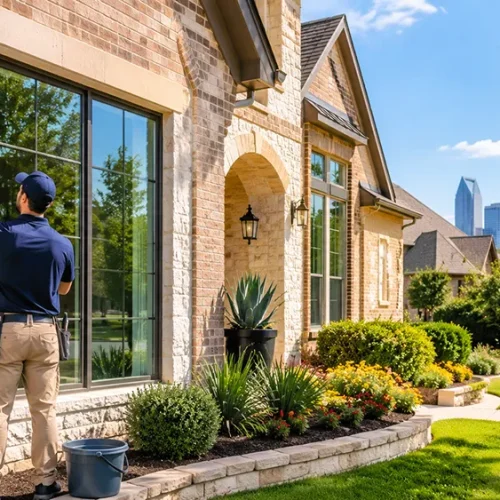
- Window cleaning
- Gutter clearing
- Patio cleaning
- Roof debris removal
- Masonry washing
- Fence cleaning
- Awning care
- Exterior vent cleaning
Different materials require different methods. Vinyl siding can sometimes tolerate gentle pressure, while old brick, stucco, painted wood, roofing, and soft stone may require low-pressure cleaning.
Ask the contractor what cleaning solution will be used and how nearby plants will be protected. Also ask whether runoff will be controlled around doors, outlets, windows, and foundation openings.
Cleaning should support maintenance, not cause new damage.
This is why professional evaluation can be valuable. A technician who understands materials can recognize when stains come from ordinary dirt and when they suggest rust, algae, water intrusion, or material deterioration.
Outdoor Lighting and Electrical Improvements
Fall makes exterior lighting more important at exactly the moment installation becomes harder.
Pathways get darker earlier. Guests arrive after sunset. Outdoor gatherings need dependable lighting. Security concerns also become more noticeable once daylight fades.
Summer is a smart time to inspect and improve:
- Walkway lights
- Porch fixtures
- Motion-activated lights
- Landscape lighting
- Garage lighting
- Exterior outlets
- Timers
- Photocells
- Weatherproof covers
- Low-voltage transformers
Start at night. Walk the property as a visitor would. Note dark steps, uneven paths, glare, burned-out fixtures, and areas where landscaping blocks the light.
Avoid installing fixtures based only on brightness. Placement matters more. A powerful fixture aimed directly at eye level can reduce visibility by creating glare. Several lower-output fixtures may provide safer, more balanced coverage.
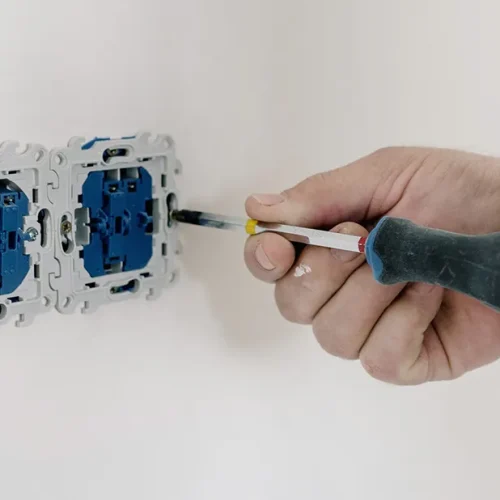
Electrical repairs should be handled by a qualified professional. Cracked outlet covers, exposed wiring, frequently tripping breakers, warm fixtures, or flickering lights are not minor cosmetic issues.
Complete this work before decorative holiday lighting begins. Adding seasonal demand to an already overloaded or damaged outdoor circuit is a poor strategy.
Book Christmas Light Installation Earlier Than You Think
Holiday lighting may not be the first project homeowners associate with summer planning, but professional installation schedules often fill months in advance.
Experienced installers typically need time to design the display, measure rooflines, order products, test equipment, arrange access, and build efficient installation routes. Waiting until late November may leave homeowners with fewer dates, fewer design choices, or no availability at all.
This is especially important in areas where demand is concentrated within a short installation window. A homeowner searching for Hinsdale local christmas lights installation may discover that preferred providers began accepting reservations well before fall.
Early booking offers several benefits:
- More installation date options
- Better access to preferred light styles
- Time for custom measurements
- Easier coordination with travel plans
- Less conflict with roofing or gutter repairs
- More time to address exterior electrical problems
- A planned removal date after the holidays
Roof, siding, trim, gutter, and electrical work should be completed first. Otherwise, lights may need to be removed and reinstalled, increasing labor and creating unnecessary risk.
Among seasonal exterior projects, holiday lighting has one of the narrowest workable calendars. Planning early is not excessive. It is practical.
Pest-Proofing and Exterior Sealing
As temperatures fall, pests look for protected spaces.
Small openings around vents, siding, rooflines, doors, utility penetrations, and foundations may provide access to insects, rodents, or other animals. Once they enter, sealing the outside opening without checking the interior can trap them inside.
Begin with an inspection of common entry points:
- Gaps around pipes and cables
- Damaged vent screens
- Loose soffits
- Worn door sweeps
- Cracked caulk
- Openings around window frames
- Gaps beneath siding
- Chimney or roofline openings
- Torn screens
- Foundation cracks
Use materials suited to the opening and building surface. Expanding foam alone is not a reliable solution for every gap, especially where animals can chew through it. Metal mesh, flashing, mortar, sealant, or professionally installed covers may be more appropriate.
Coordinate pest removal and repair work. Confirm that the opening is inactive before permanently sealing it.
This is one of those exterior projects that looks small until scratching sounds begin inside a wall.
Why Contractor Schedules Become Crowded in Fall
Fall creates a scheduling bottleneck.
Homeowners who delayed maintenance begin calling at the same time. Storm damage generates urgent requests. Businesses prepare for seasonal events. Holiday-light installers begin their narrow installation period. Landscapers handle leaf removal and winter preparation.
Meanwhile, crews have fewer workable hours each day.
This combination may lead to:
| Fall scheduling issue | Possible homeowner impact |
|---|---|
| Shorter daylight | Projects require more days |
| Frequent rain | Repeated postponements |
| Colder nights | Limited curing windows |
| Storm-related demand | Routine jobs move down the list |
| Holiday deadlines | Less scheduling flexibility |
| Material delays | Installation dates shift |
| High demand | Fewer opportunities to compare bids |
Contractors do not necessarily charge more simply because it is fall. However, homeowners under deadline pressure may have fewer options and less negotiating power.
That matters.
A rushed decision can lead to unclear scopes, weaker warranties, unsuitable materials, or hiring a contractor without proper verification.
How to Prioritize Exterior Projects Before Summer Ends
Not every task needs immediate attention. Prioritize based on risk.
Urgent Protection
Handle these first:
- Active roof leaks
- Electrical hazards
- Unstable trees
- Loose railings
- Major drainage failures
- Exposed or rotting wood
- Damaged steps
- Openings allowing pests or water inside
Preventive Maintenance
Schedule these next:
- Exterior painting
- Caulking
- Gutter cleaning
- Deck sealing
- Concrete crack repair
- Siding cleaning
- Minor roof repairs
- Fence restoration
Seasonal Preparation
Complete these once protective work is finished:
- Landscape lighting
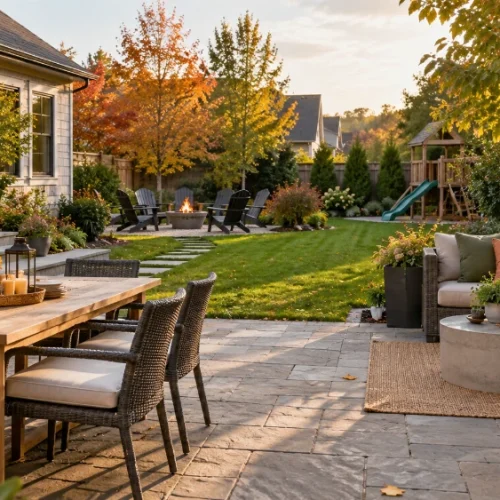
- Patio upgrades
- Decorative improvements
- Holiday-light planning
- Outdoor entertainment areas
- Cosmetic planting
This order prevents a common mistake: spending money on decorative improvements while water, structural, or electrical problems remain unresolved.
Build a Schedule That Leaves Room for Surprises
Good planning includes a buffer.
Contractors may discover rot beneath trim, damaged decking under roofing, unstable soil below pavers, or wiring that needs replacement. These findings can affect the schedule and budget.
Before work begins, ask for a written proposal that includes:
- Specific materials
- Surface preparation
- Repair allowances
- Labor scope
- Permit responsibility
- Cleanup
- Warranty terms
- Payment schedule
- Weather-delay procedures
- Change-order process
Group related exterior projects when practical. For example, repair gutters before painting fascia. Complete roof work before installing holiday lights. Fix drainage before restoring landscaping. Replace damaged deck boards before staining.
The order matters almost as much as the work itself.
Plan in Summer, Enjoy Fall Without the Rush
Fall should not begin with a list of unfinished repairs.
Scheduling exterior projects during summer gives homeowners longer working days, better weather windows, more contractor availability, and time to handle unexpected problems. It also allows protective repairs to happen before rain, wind, falling leaves, colder temperatures, and holiday commitments make every delay more stressful.
Start with a simple inspection. Walk the property, take photographs, list the concerns, and rank them by safety, water risk, structural impact, and seasonal urgency.
Then start making calls.
The most frustrating projects are often not the largest ones. They are the projects that could have been completed comfortably in summer but became urgent, expensive, or unavailable because they were postponed until fall.