This post contains affiliate links. As an Amazon Associate, I earn from qualifying purchases, at no extra cost to you. See our disclosure policy.
A home can start to feel tired even when nothing is truly wrong with it.
Maybe the rooms feel cluttered. Maybe the furniture layout no longer works. Maybe the walls feel dull, the kitchen feels messy, or the living room no longer feels like a place where you want to relax.
That does not mean you need a full renovation.
Many homes can feel brighter, cleaner, and more inviting with smaller updates. You can refresh your space without tearing down walls, replacing every surface, or spending months in a project zone.
The key is to focus on changes that make the biggest visual and emotional difference.
Start With a Deep Clean
Before you buy decor or plan changes, start with cleaning.
A room can look older than it is when surfaces are dusty, floors are dull, windows are dirty, or clutter is sitting in every corner. A clean space gives you a better view of what actually needs to change.
This is also the stage where outside help may make sense. If you are short on time or need support with deeper tasks, reading Every Mom’s thoughts on Homeaglow can help you understand what to consider before booking a cleaning service. Professional help can be useful when you want the home to feel fresh but do not have the time or energy to scrub every room yourself.
Once your home is clean, you may find that it needs fewer updates than you thought.
Clear the Clutter First
Clutter can make even a beautiful room feel stressful.
Before making changes, remove anything that does not belong in the space. Put away shoes, mail, toys, laundry, old decor, extra cords, and items that have slowly gathered on counters or tables.
Do not try to organize the whole house in one day.
Start with one room. Then choose one surface, one shelf, or one corner.
Ask yourself what you actually use and what only takes up space.
A clear room feels larger and calmer. It also makes your furniture, art, lighting, and decor easier to notice.
Decluttering is one of the cheapest ways to refresh a home, but it can make one of the biggest differences.
Rearrange the Furniture
Sometimes a room feels stale simply because the layout has not changed in years.
Try moving furniture before buying anything new.
Shift the sofa to face a window. Move a chair closer to a reading lamp. Pull furniture slightly away from the walls. Create a clearer walkway through the room.
Think about how your family uses the space now.
A layout that worked before kids, pets, remote work, or new routines may no longer fit your life.
You may need more open floor space, a better homework area, or a softer place for family movie nights.
Rearranging furniture can help you see the room with fresh eyes.
It can also reveal what you truly need and what you can remove.
Refresh Walls With Paint or Touch Ups
Paint can change the feel of a room quickly.
You do not need to repaint the whole house.
Start with the room that bothers you most. A fresh wall color can make the space feel cleaner, brighter, warmer, or more calm.
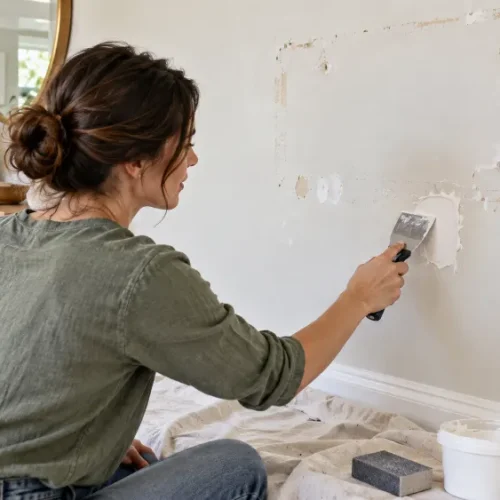
If a full paint job feels like too much, try smaller touch ups.
Fix scuff marks. Paint trim. Refresh a door. Add color to one wall. Paint a small bathroom, hallway, or entryway.
Even small areas can make a home feel more cared for.
Choose colors that work with your existing floors, furniture, and light.
A paint refresh should support the home you already have, not force you to replace everything else.
Update Lighting
Lighting can change how a home feels.
A room may feel dull not because the decor is wrong, but because the light is too harsh, too dim, or poorly placed.
Try adding lamps to dark corners. Replace old shades. Use warm bulbs in spaces meant for relaxing. Add task lighting to desks, kitchen counters, or reading spots.
Clean light fixtures and windows too.
Dusty fixtures and dirty glass can make a room look darker.
You can also use mirrors to reflect light and make a space feel more open.
Better lighting can make your home feel softer, brighter, and more welcoming without any major construction.
Swap Small Decor Pieces
Small decor updates can refresh a room without changing the whole design.
Try new pillow covers, throws, curtains, rugs, baskets, art, or table decor.
Choose pieces that work with what you already own.
You do not need to follow every trend. In fact, your home will feel more personal when you choose colors, textures, and items that fit your life.
A simple throw blanket can make a sofa feel cozier. New curtains can soften a room. A rug can define a seating area. Baskets can hide daily clutter while adding texture.
Small changes are easier to try, easier to change later, and less stressful than a full renovation.
Bring in Natural Elements
Natural elements can make a home feel fresh and calm.
Add a plant, a vase of branches, fresh flowers, wooden accents, woven baskets, stoneware, or linen textures.
These details bring life into a space without making it feel busy.
If you do not have time for plant care, choose low maintenance options or use cut greenery when you want a quick refresh.
Natural textures also help balance rooms that feel too plain or cold.
For example, a woven tray can warm up a coffee table. A wood frame can soften a bright wall. A simple plant can make a bathroom or kitchen feel more finished.
You do not need many pieces. A few thoughtful details can change the mood.
Refresh the Entryway
The entryway sets the tone for the whole home.
It is also one of the easiest areas to improve.
Start by removing shoes, bags, mail, and random items that collect near the door.
Add hooks, a small bench, a basket, or a tray for keys.
Clean the floor, wipe the door, and shake out the mat.
If there is room, add a mirror, a small lamp, or a piece of art.
The entryway should feel useful first.
A pretty space that does not handle real family life will quickly become messy again.
Create a setup that gives everything a place, then add style.
Make the Kitchen Feel Cleaner and Brighter
A full kitchen remodel is expensive and disruptive.
But a kitchen can feel refreshed with smaller changes.
Clear the counters as much as possible. Store appliances you rarely use. Clean cabinet fronts, backsplash, and handles. Replace worn dish towels. Add a small runner or fresh fruit bowl.
You can also update hardware, lighting, or open shelf styling.
If cabinets feel dated but are still in good shape, painting or changing hardware may help.
Focus on the parts of the kitchen you see and touch every day.
A cleaner counter, brighter light, and a few simple updates can make the room feel more inviting without replacing cabinets or floors.
Give Bathrooms a Simple Reset
Bathrooms can start to feel worn out quickly.
A full remodel may not be needed.
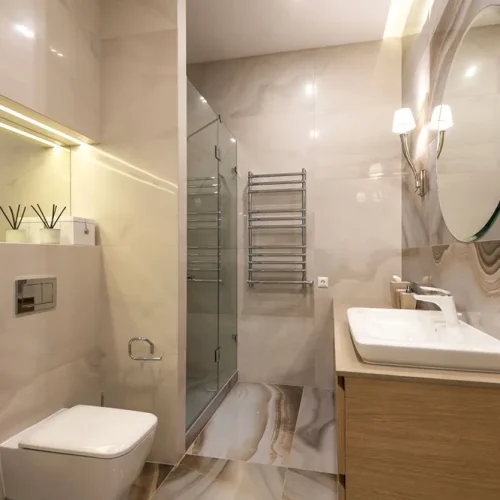
Start with a deep clean. Scrub the sink, mirror, toilet, tub, and floor. Remove old bottles and expired products. Replace the shower curtain liner if it looks worn.
Then add small upgrades.
Try fresh towels, a new bath mat, a simple tray, wall hooks, or better storage.
If the room feels dark, improve the lighting or use a lighter shower curtain.
If the vanity looks tired, consider new hardware or paint.
Bathrooms are often small, so a few updates can make the whole space feel new.
Style Shelves With Less
Shelves can make a room feel styled or cluttered.
If your shelves feel messy, take everything off and start again.
Choose a mix of items, such as books, framed photos, baskets, small art, and a plant.
Leave some open space.
Not every inch needs to be filled.
Group items in a way that feels balanced. Vary height, shape, and texture.
Use baskets or boxes to hide items that are useful but not pretty.
Shelves should tell a story without overwhelming the room.
A lighter, cleaner shelf setup can make the whole space feel calmer.
Refresh Textiles
Textiles have a big effect on how a home feels.
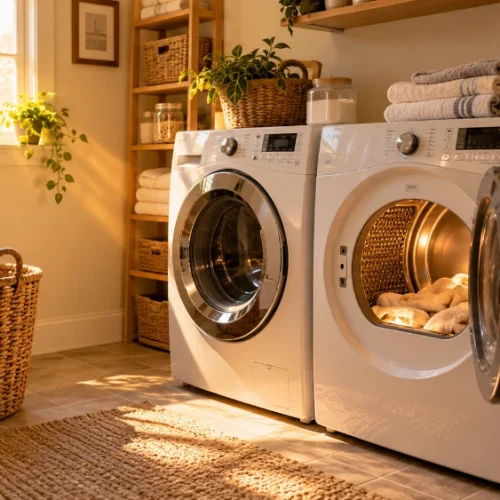
This includes curtains, rugs, pillows, bedding, towels, and blankets.
If a room feels flat, add texture. If it feels too dark, bring in lighter fabrics. If it feels cold, add warmer layers.
You do not need to replace everything.
Try changing pillow covers instead of buying new pillows. Add a throw to the sofa. Replace only the most worn towels. Swap heavy curtains for lighter ones.
In bedrooms, fresh bedding can change the entire mood.
Textiles are one of the easiest ways to make a home feel softer, warmer, and more finished.
Create Better Storage
Sometimes a home feels like it needs renovation when it really needs better storage.
Look at the areas that get messy every day.
Maybe the entryway needs shoe baskets. Maybe the living room needs toy storage. Maybe the bathroom needs bins under the sink. Maybe the kitchen needs drawer dividers.
Storage should match your habits.
If your family drops bags by the door, add storage near the door. If toys end up in the living room, add baskets there.
Do not hide storage in places people will not use.
A good storage system makes cleanup faster because items have a clear home.
Focus on Scent and Sound
A home refresh is not only visual.
Scent and sound also affect how your home feels.
Open windows when you can. Wash soft items that hold odors. Empty trash often. Clean pet areas. Use light candles, diffusers, or simmer pots if you enjoy them.
Do not use strong scents to cover up a problem. Start with cleaning, then add fragrance if desired.
Sound matters too.
Soft music, fewer loud alerts, and quiet moments can make a space feel more peaceful.
A home that smells fresh and sounds calm can feel renewed even without major updates.
Fix the Small Things You Keep Ignoring
Small broken or unfinished things can make a home feel more worn than it is.
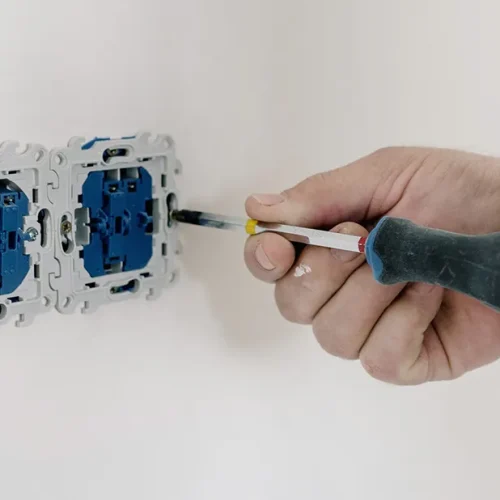
Loose handles, burned out bulbs, chipped paint, squeaky doors, missing hooks, and crooked frames all add visual noise.
Make a small repair list.
Then choose one or two tasks at a time.
Replace a bulb. Tighten a handle. Patch a wall mark. Rehang a picture. Fix a cabinet door that does not close well.
These jobs may be small, but they help the home feel cared for.
A full renovation often feels less urgent when the everyday annoyances are handled.
Create One Calm Corner
You do not need to refresh the entire home at once.
Start with one calm corner.
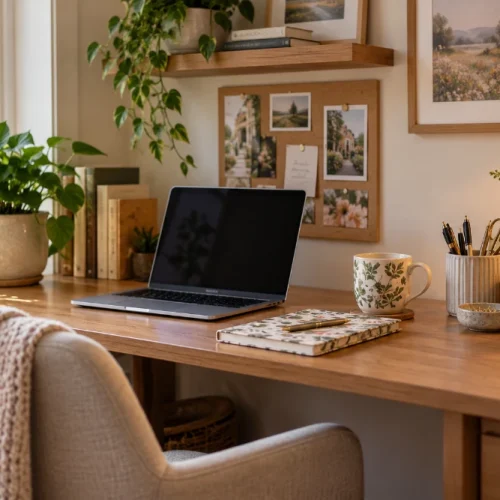
It could be a reading chair, bedside table, breakfast nook, entry bench, or part of the living room.
Clear the clutter. Add good lighting. Place a small table, basket, plant, or blanket nearby.
Make it a spot that feels peaceful.
A small finished area can motivate you to keep going.
It also gives you one place in the home that feels good right now, even if other rooms are still in progress.
Work With What You Already Own
A home refresh does not always require shopping.
Before buying new items, look around your home.
Move art from one room to another. Use a bedroom lamp in the living room. Swap rugs. Change pillow covers. Place books or trays in new spots.
Sometimes your home already has what it needs. The pieces just need to be used in a new way.
This approach also helps you avoid buying decor that does not solve the real issue.
Once you rearrange and clean, you can see what is truly missing.
A Fresh Home Does Not Need a Full Renovation
A full renovation can be exciting, but it is not always needed.
Many homes can feel better with simple changes.
Start by cleaning, decluttering, and rearranging. Improve lighting. Refresh small decor pieces. Update textiles. Add storage. Fix small issues that have been bothering you.
Focus on the rooms you use most.
A home refresh should make daily life feel easier and more pleasant.
It should not create more stress, more mess, or more pressure to make every room perfect.
When you work with what you have and choose changes that fit your real life, your home can feel new again without a full renovation.