This post contains affiliate links. As an Amazon Associate, I earn from qualifying purchases, at no extra cost to you. See our disclosure policy.
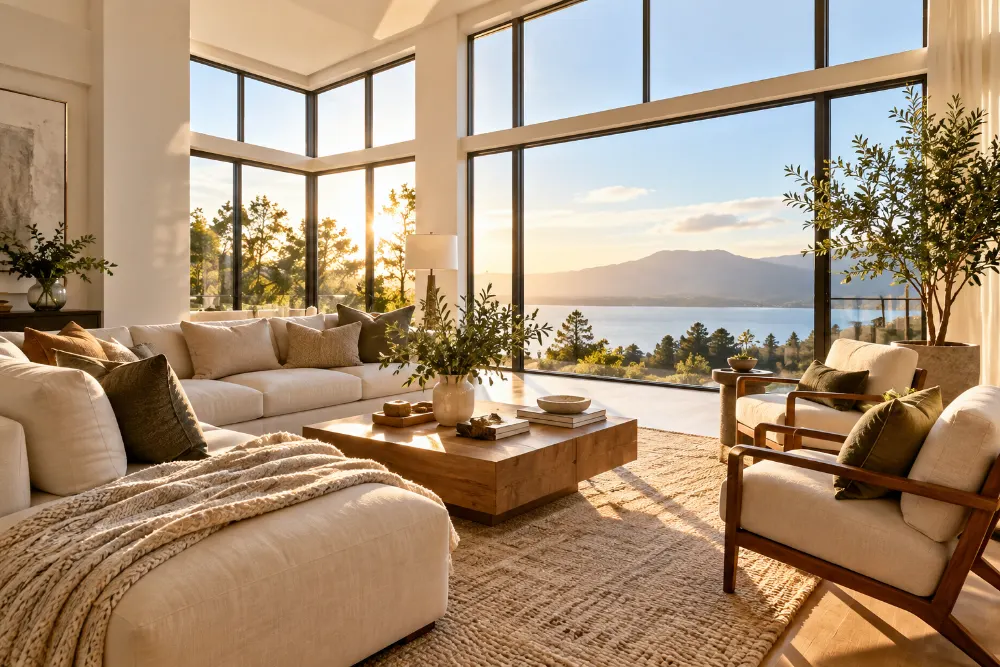
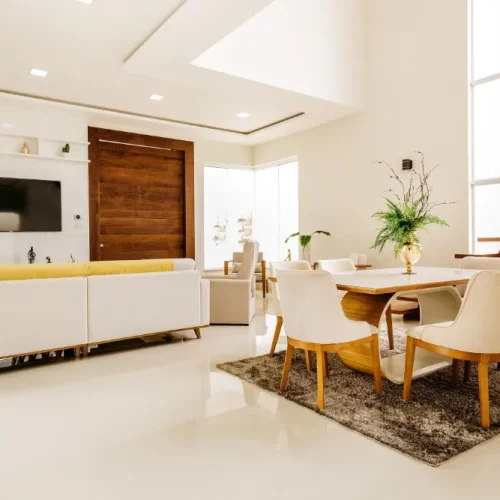
Walk into a home filled with natural light and it immediately feels different. Rooms seem larger, colors appear more vibrant, and architectural details that might otherwise go unnoticed become much easier to appreciate.
Large windows can be one of a home’s most impressive design features, particularly when they frame a beautiful view or bring sunlight deep into the living space. But simply having plenty of windows does not automatically make a room look polished.
Furniture placement, window treatments, color choices, textures, and even the amount of décor in the room can either enhance the natural light or work against it.
When staging or refreshing a bright, upscale home, the goal is not to fill every corner. Instead, it is about creating balance so that the windows, furnishings, architecture, and surrounding view all work together.
Here are practical ways to make large windows and abundant daylight feel like intentional parts of the home’s design.
Start by Watching How Natural Light Moves Through the Room
Before moving furniture or buying new décor, spend a little time observing the room throughout the day.
Natural light changes considerably between morning and evening. A living room that feels calm and softly illuminated at 9 a.m. may become dramatically brighter several hours later.
Ask a few simple questions:
- Which windows receive direct sunlight?
- Where does glare become noticeable?
- Which areas remain shaded?
- Does the afternoon sun make the room uncomfortable?
- Are there architectural features that sunlight naturally highlights?
- Does the exterior view become a focal point from certain positions?
These observations can influence everything from the location of the sofa to the type of curtains you choose.
In luxury staging, natural light should feel intentional rather than uncontrolled. An extremely bright room can sometimes appear washed out, especially when nearly every surface is white or reflective.
Layering texture, introducing gentle contrast, and choosing properly scaled furniture can help give a bright space more definition.
Let the Windows Become Part of the Design
Large windows do not necessarily need elaborate decorating around them.
Sometimes the window itself is the architectural feature.
Floor-to-ceiling glass, oversized picture windows, arched windows, and expansive sliding doors already contribute visual interest. Covering them with heavy fabrics or surrounding them with too many decorative elements can diminish their impact.
Instead, allow a little breathing room around important windows.
That might mean:
- leaving several inches between furniture and the glass;
- keeping tall cabinets away from major views;
- using lower furniture near floor-to-ceiling windows;
- avoiding oversized artwork immediately beside dramatic windows;
- keeping window trim visually clean.
If a window overlooks a garden, skyline, water feature, or interesting landscape, think of that view as artwork that changes throughout the day.
The rest of the room can support it rather than compete with it.
Choose a Color Palette That Works With Daylight
Natural light can dramatically change the way paint, upholstery, rugs, and furniture finishes appear.
A color that looks warm and creamy under artificial lighting may appear considerably cooler beside a bright window. Likewise, a pale gray may pick up blue or green tones depending on what is outside.
That makes testing colors especially important in homes with large windows.
Warm neutrals are often useful because they soften intense daylight while maintaining an open feeling. Consider shades such as:
- cream;
- oatmeal;
- warm white;
- taupe;
- soft beige;
- mushroom;
- muted clay;
- warm gray.
These colors create a quiet backdrop while allowing architectural details and outdoor views to stand out.
That does not mean every room needs to be neutral, however.
A bright room can also handle richer accent colors surprisingly well. Deep green, navy, charcoal, rust, chocolate brown, or muted burgundy can introduce contrast without making the room feel dark.
Use Contrast So Bright Rooms Do Not Feel Flat
A common decorating mistake in sunny rooms is choosing everything in similarly pale tones.
White walls, a cream sofa, pale flooring, light curtains, beige rugs, and white accessories may sound airy, but together they can sometimes make a room lose definition.
The eye needs contrast.
Fortunately, you do not need dramatic black walls or brightly colored furniture to achieve it.
Small amounts of darker material can anchor the room:
| Element | Easy Way to Add Contrast |
|---|---|
| Seating | Charcoal, brown, olive, or navy accent chair |
| Tables | Dark wood or black metal side table |
| Lighting | Bronze, black, or aged brass fixtures |
| Artwork | Dark frames or deeper-toned artwork |
| Rugs | Subtle darker pattern or border |
| Accessories | Ceramic bowls, books, vases, and sculptural objects |
| Furniture | Walnut, oak, or other visible natural wood tones |
A few strategically placed darker elements give the room visual structure without taking attention away from the windows.
Position Furniture Without Blocking the View
Furniture placement is particularly important when a home has oversized windows.
Large sofas or tall pieces placed directly in front of glass can make windows appear smaller and prevent natural light from reaching the rest of the room.
Low-profile furniture is often a better fit.
A sofa with a lower back, streamlined lounge chairs, benches, and open-frame tables can define the room while preserving sightlines.
In a spacious living room, try moving furniture slightly away from the walls rather than pushing everything against the perimeter.
Floating furniture can create a more intentional conversation area while leaving walking paths around the windows open.
When arranging a bright room:
- keep major traffic paths clear;
- avoid blocking doors leading to patios or balconies;
- use lower pieces near important windows;
- maintain comfortable space around seating;
- consider the view from both inside and outside the room.
Most importantly, do not make every chair face the window.
The view matters, but the room still needs to function naturally when people are talking, reading, relaxing, or entertaining.
Layer Window Treatments Instead of Hiding the Glass
Large windows can introduce a decorating challenge.
You want the sunlight, but perhaps not all of it.
Direct afternoon sun may produce glare, fade fabrics, heat the room, or reduce privacy. The right window treatments can solve those problems while still preserving the feeling of openness.
One of the most flexible approaches is layering.
Sheer Curtains
Sheers soften direct sunlight without completely darkening the room. They also create gentle movement and texture around large windows.
Drapery Panels
Long panels add softness and can visually emphasize ceiling height. Hanging the curtain rod slightly above the window frame can make windows appear even taller.
Woven Shades
Natural woven shades introduce texture and warmth, particularly in rooms with neutral furniture and simple architectural finishes.
Roller or Solar Shades
These can be particularly helpful when glare is a problem. Their understated appearance also makes them easy to combine with decorative curtains.
Whatever treatment you choose, pay attention to length and scale.
Curtains that stop awkwardly above the floor or look too narrow for the window can make even an otherwise polished room feel unfinished.
Bring Texture Into Bright, Open Spaces
Natural light reveals texture beautifully.
That is one reason materials such as linen, wool, leather, wood, stone, boucle, and woven fibers are so effective in rooms with generous windows.
Texture prevents pale rooms from feeling sterile.
For example, imagine a living room containing:
- a cream linen sofa;
- a wool area rug;
- warm oak tables;
- woven baskets;
- soft boucle chairs;
- matte ceramic accessories;
- linen curtains.
The palette may be restrained, yet the room still feels layered because every material interacts with the light differently.
This is also a decorating trick that does not require replacing everything you own.
You can introduce texture through smaller additions such as throw pillows, blankets, rugs, baskets, lampshades, pottery, or even a wooden tray on the coffee table.
Be Selective With Reflective Surfaces
Mirrors and reflective finishes can make a room brighter, but homes with large windows usually already have plenty of light.
Too many shiny materials can create distracting reflections.
Mirrored furniture, polished chrome, high-gloss cabinetry, glass tables, and glossy stone can all bounce sunlight around a room. Used carefully, they can look elegant. Used together, they may create excessive glare.
Balance reflective finishes with matte surfaces.
For example, pair a polished metal lamp with:
- a linen shade;
- a textured rug;
- unfinished or lightly finished wood;
- matte pottery;
- upholstered furniture.
That combination creates depth without making the space feel overly shiny.
Use Mirrors Strategically
Although reflective surfaces should not be overdone, a thoughtfully positioned mirror can still be extremely useful.
Place one where it reflects something worth seeing.
That might be:
- an attractive window;
- outdoor greenery;
- an interesting light fixture;
- artwork;
- an architectural feature.
Avoid placing mirrors where they primarily reflect clutter, television screens, or busy hallways.
You should also check the room at different times of day. A mirror that looks beautiful in soft morning light may produce uncomfortable glare when direct afternoon sunlight reaches it.
Choose Artwork That Works With Sunlight
Bright rooms can create challenges for artwork, especially pieces covered with reflective glass.
Before hanging art, look at the wall at several points during the day.
If direct sunlight regularly hits the surface, glare may make the artwork difficult to see. Strong sunlight can also be undesirable for certain delicate pieces.
Alternative decorative options for very bright walls include:
- canvas art;
- textile wall hangings;
- carved wood pieces;
- dimensional wall sculpture;
- woven art;
- decorative panels.
These surfaces interact with sunlight more softly than highly reflective glass.
Scale also matters.
One larger piece usually creates a cleaner focal point than numerous small objects scattered around a large sun-filled room.
Keep Accessories Intentional
When preparing a home for photography, guests, or potential buyers, there can be a temptation to decorate every surface.
Resist it.
Large windows naturally create drama, so the room often needs fewer accessories rather than more.
A coffee table might only need a stack of books, one decorative object, and a small plant.
A console might look best with a lamp and one substantial piece of artwork.
Kitchen counters may feel more spacious with only a few carefully selected items.
Empty space is part of good decorating.
It allows important furniture, materials, artwork, and architecture to stand out.
Bring a Little Nature Indoors
Large windows already create a connection between the interior and exterior, and plants can strengthen that effect.
A tall indoor tree near a sunny window can soften architectural lines and introduce an organic element without requiring much additional décor.
Good choices depend on the actual light conditions, but visually, larger plants are often more effective than dozens of tiny ones in a spacious room.
Consider using plants to:
- soften an empty corner;
- balance a large window;
- introduce height beside low furniture;
- create a transition between indoor and outdoor living spaces.
Choose pots and planters that fit the rest of the room rather than introducing another competing color or pattern.
Do Not Forget Artificial Lighting
A home with outstanding natural light still needs thoughtful artificial lighting.
Eventually, the sun goes down.
If all the room’s visual appeal disappears after sunset, the lighting plan needs more attention.
Use several types of lighting rather than relying entirely on ceiling fixtures.
A comfortable room might combine:
- ambient ceiling lighting;
- floor lamps;
- table lamps;
- wall sconces;
- picture lights;
- accent lighting.
This creates layers and allows the room to transition naturally from daytime brightness to a warmer evening atmosphere.
Place lamps where they serve an actual purpose. A reading chair near a large window may receive plenty of daylight during the afternoon but still needs a nearby lamp after dark.
Pay Attention to the View Outside the Window
When windows are one of the home’s strongest features, what appears on the other side of the glass matters too.
You do not necessarily need an elaborate landscape renovation.
Small improvements can make a noticeable difference.
Before staging or photographing a room, consider:
- trimming overgrown shrubs;
- removing dead plants;
- cleaning patio furniture;
- sweeping decks and balconies;
- hiding hoses and garden supplies;
- cleaning exterior window glass;
- straightening outdoor cushions;
- removing unnecessary objects from the yard.
A beautifully decorated room loses some of its impact when the large picture window looks directly onto clutter.
Think of the exterior scene as an extension of the room.
Clean Windows Make a Bigger Difference Than You Think
This sounds obvious, but it is worth emphasizing.
Large windows show dirt.
Dust, fingerprints, streaks, water spots, and grime become much more noticeable when sunlight passes through the glass.
Clean both the interior and exterior sides when possible.
Also remember the surrounding details:
- window tracks;
- frames;
- sills;
- screens;
- curtain rods;
- blinds;
- nearby baseboards.
Clean glass allows the window to virtually disappear, making the room feel more connected to the outdoors.
Prepare Bright Rooms for Photography
A room may look wonderful in person but behave differently in photographs.
Large windows create a significant difference between bright outdoor views and darker interior areas. The camera may struggle to capture both clearly.
Good staging can help.
Introduce enough contrast that furniture does not disappear against pale walls. Keep clutter away from windows. Adjust blinds or sheers if direct light is creating harsh patches.
Professional NYC staging often considers how a room will translate into listing photos as well as how it feels in person.
Homeowners can apply the same principle even when they are simply photographing their house for a rental listing, real estate listing, design portfolio, or personal project.
Take several test photos from the doorway and common viewing angles.
Sometimes you will notice problems in a photograph that you did not immediately see while standing in the room.
Common Mistakes to Avoid When Decorating Around Large Windows
Even beautiful windows can lose their impact when the surrounding room becomes too busy.
Watch out for these common problems:
Blocking the Windows With Oversized Furniture
Tall or bulky pieces reduce sightlines and restrict daylight.
Choosing Curtains That Are Too Short
Poorly proportioned curtains can make a large window look smaller.
Making Everything White
An all-pale interior may lack depth, especially in intense daylight.
Adding Too Many Reflective Pieces
Mirrors, chrome, glossy tables, and polished surfaces can quickly produce too much glare.
Filling Every Surface
Large windows already provide visual interest. Too many accessories create unnecessary competition.
Forgetting the Exterior View
Outdoor clutter becomes indoor décor when it is constantly visible through a window.
Ignoring Evening Lighting
A room should still feel inviting after natural light disappears.
A Simple Room-by-Room Approach
Different rooms benefit from slightly different staging strategies.
| Room | What to Emphasize |
|---|---|
| Living room | Views, conversation areas, texture, comfortable seating |
| Bedroom | Soft light, privacy, layered window treatments |
| Dining room | Clear sightlines, statement lighting, uncomplicated table styling |
| Kitchen | Clean counters, reflective balance, unobstructed windows |
| Home office | Glare control, practical desk placement, functional lighting |
| Bathroom | Privacy, clean glass, simple accessories |
| Entryway | Brightness, uncluttered pathways, one clear focal point |
Rather than applying the same formula everywhere, think about how each room is actually used.
The goal is to enhance the daylight without compromising comfort or function.
You Do Not Need to Completely Redecorate
One of the most useful things about working with a naturally bright home is that the architecture is already doing much of the decorating.
A major makeover may not be necessary.
Sometimes the biggest improvements come from simply:
- moving a tall cabinet away from a window;
- removing several unnecessary accessories;
- switching heavy curtains for lighter panels;
- adding one textured rug;
- bringing in a darker accent chair;
- cleaning the windows;
- repositioning artwork;
- adding a plant;
- improving evening lighting.
Small changes can completely alter how natural light moves through and defines a space.
Create a Home That Feels Bright, Comfortable, and Intentional
Large windows are impressive, but successful decorating is not about making the windows compete with everything else in the room.
It is about giving them room to shine.
Keep sightlines open. Choose colors that respond well to changing daylight. Introduce texture so bright rooms still feel warm. Use contrast to provide definition, and edit accessories so that architectural details remain visible.
Most importantly, think about how the space feels to actually live in.
A well-staged home should not resemble a showroom where nobody is allowed to sit down. It should feel welcoming, functional, comfortable, and thoughtfully put together.
When furnishings, natural light, textures, colors, and outdoor views complement one another, large windows become more than an architectural feature. They become one of the elements that makes the entire home feel brighter, calmer, and more inviting.