This post contains affiliate links. As an Amazon Associate, I earn from qualifying purchases, at no extra cost to you. See our disclosure policy.
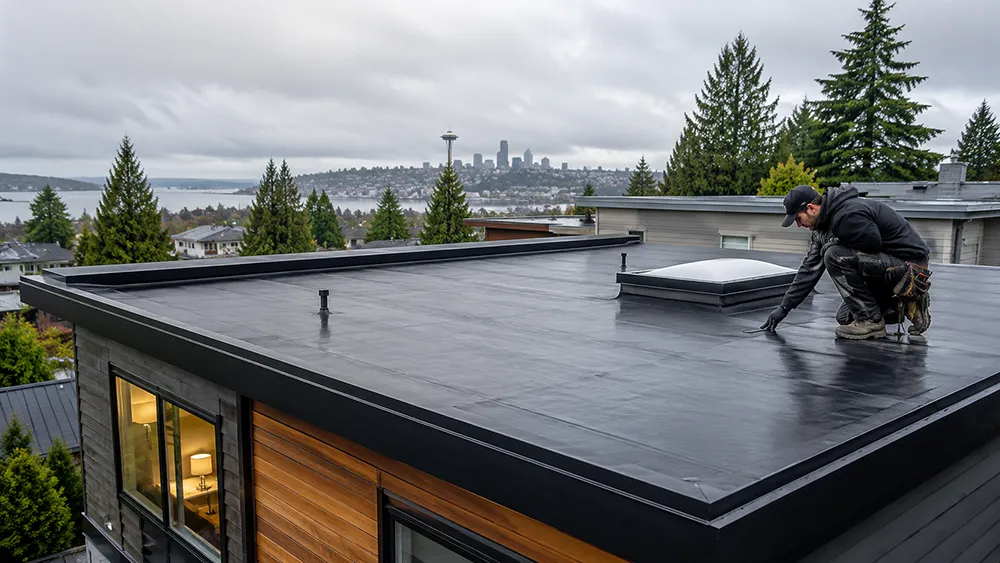
Property owners in Seattle want roofing materials that provide lasting value without creating constant maintenance concerns. As roofs age, repair costs can rise, making durability an important factor in every replacement decision. Rubber roofing has become a popular choice because it offers dependable performance in different weather conditions. It works well for many residential and commercial properties, especially those with low-slope or flat roofs. Many owners in Seattle also appreciate its ability to reduce long-term maintenance expenses while protecting the structure beneath it. For these reasons, more property owners are choosing rubber roofing as a practical investment for the years ahead.
Long Service Life Makes It a Smart Investment
Rubber roofing is known for its impressive lifespan when installed correctly. High-quality materials can last for decades with regular inspections from a roofing company Seattle and simple maintenance. The surface resists cracking, splitting, and many forms of weather-related damage that affect traditional roofing materials. This durability helps property owners avoid frequent replacements and unexpected repair bills. As a result, the roof delivers dependable value over a long period.
Reliable Protection in Different Weather Conditions
The weather in Seattle can place constant stress on any roofing system throughout the year. Rubber roofing remains flexible during temperature changes, which helps reduce the chance of cracks forming over time. It also handles heavy rain well because the material creates a strong waterproof barrier. Strong winds and sunlight have less impact when the roof is professionally installed and maintained. This dependable performance gives property owners greater confidence during every season.
Lower Maintenance Brings Peace of Mind
Many property owners in Seattle prefer roofing materials that do not require constant attention. Rubber roofing generally needs fewer repairs than many traditional roofing systems when it receives routine inspections. Small issues can usually be identified early before they become larger and more expensive problems. Cleaning debris and checking drainage areas are simple maintenance tasks that help extend the roof’s lifespan. This combination of durability and easy care makes rubber roofing an attractive option for busy property owners.
Energy Efficiency Can Help Reduce Utility Costs
Energy efficiency has become an important consideration for many building owners. Rubber roofing can reflect sunlight when paired with the right surface treatment or coating, helping reduce heat absorption. A cooler roof may lessen the workload on air conditioning systems during warmer months. Stable indoor temperatures can improve comfort for occupants throughout the building. Lower energy use may also contribute to reduced monthly utility expenses over time.
Rubber Roofing Can Support a More Comfortable Home
A roof affects more than the exterior of a property. It also plays a role in how comfortable the rooms beneath it feel. When a rubber roofing system is properly installed with suitable insulation and ventilation, it can help reduce unwanted heat transfer through the roof assembly. This may make indoor temperatures feel more consistent throughout the year.
Improved temperature control can be especially valuable in upper-floor bedrooms, home offices, converted attics, and other spaces located directly beneath the roof. Instead of allowing these rooms to become noticeably warmer or colder than the rest of the home, a well-planned roofing upgrade can contribute to a more balanced indoor environment.
However, the roofing membrane is only one part of the system. Property owners should also consider:
- The amount and condition of the existing insulation
- Air leaks around vents, skylights, and roof penetrations
- Attic or roof-deck ventilation
- Drainage and moisture control
- The type and color of the roofing surface
- The condition of the underlying roof deck
Looking at the complete roof assembly helps homeowners make an improvement that supports both protection and everyday comfort.
A Clean Roofline Can Improve the Property’s Appearance
Home improvement projects often need to provide both practical and visual benefits. Although rubber roofing is commonly associated with flat commercial buildings, modern systems can create a clean and streamlined appearance on home additions, garages, porches, workshops, and other low-slope structures.
A professionally finished roof can help these areas look more intentional and connected to the main property. Neat seams, properly fitted flashing, clean edges, and well-positioned drainage components all contribute to a more polished result. These details may not be highly decorative, but they can prevent a roof from looking unfinished or poorly maintained.
Property owners planning exterior updates can coordinate the roofing project with other improvements, such as:
- Repainting siding or exterior trim
- Updating gutters and downspouts
- Replacing damaged fascia boards
- Adding new exterior lighting
- Refreshing doors and windows
- Improving patios, decks, or covered outdoor areas
Completing related projects together can create a more cohesive exterior while reducing the need to disturb newly finished areas later.
Rubber Roofing Works Well for Many Home Improvement Projects
Rubber roofing is not limited to large commercial properties. It may also be suitable for several residential structures and renovation projects, particularly when the roof has a low pitch.
| Property Area or Project | Why Rubber Roofing May Be Suitable |
|---|---|
| Home additions | Provides dependable coverage for low-slope extensions |
| Attached garages | Creates a durable barrier over utility and storage areas |
| Covered patios | Protects outdoor living areas from rain and moisture |
| Workshops | Offers practical protection with relatively simple upkeep |
| Garden rooms | Supports year-round use of detached or attached spaces |
| Dormer sections | Can accommodate smaller low-slope roof areas |
| Commercial buildings | Covers broad flat-roof surfaces efficiently |
| Multifamily properties | Helps reduce recurring maintenance across larger buildings |
The best material still depends on the structure’s slope, drainage design, roof deck, building use, and existing condition. A roofing professional should evaluate these details before recommending a particular system.
Planning the Project Helps Prevent Unnecessary Disruption
Replacing a roof can temporarily affect entrances, driveways, gardens, patios, and other areas around the property. A clear project plan helps homeowners protect their belongings and keep the work moving efficiently.
Before installation begins, property owners may need to move outdoor furniture, plan alternate parking, protect delicate landscaping, and provide contractors with safe access to the building. Items attached to interior walls may also need to be secured because roofing work can create vibration.
A basic pre-installation checklist may include:
- Confirming the project timeline and daily work hours
- Moving vehicles away from the work area
- Clearing furniture and decorations from nearby patios
- Protecting plants located close to the building
- Removing fragile items from shelves and walls
- Discussing access to electricity and water
- Planning for children and pets during construction
- Asking how old roofing materials will be removed
- Confirming how the property will be cleaned afterward
These preparations do not change the roofing system itself, but they can make the overall home improvement experience safer and more manageable.
Simple Maintenance Can Protect the Entire Property
Roof maintenance should be considered part of a broader home care routine. A small roofing issue can eventually affect ceilings, walls, insulation, flooring, and personal belongings if water enters the structure. Regular inspections allow property owners to address potential trouble before it spreads to other parts of the home.
Rubber roofs should be checked for standing water, blocked drains, loose flashing, punctures, separated seams, and debris. Tree branches and leaves should also be removed carefully so they do not trap moisture or interfere with drainage.
Seasonal Rubber Roof Checklist
| Time of Year | Recommended Tasks |
|---|---|
| Spring | Check for winter damage, clean drains, and remove accumulated debris |
| Summer | Inspect seams, flashing, and areas around rooftop equipment |
| Fall | Remove leaves, trim nearby branches, and clear gutters or drainage outlets |
| Winter | Watch for standing water, storm damage, and unusual interior moisture |
| After major storms | Look for punctures, displaced materials, blocked drains, and visible leaks |
Homeowners should avoid walking on the roof unnecessarily. When access is required, they should follow the manufacturer’s recommendations or arrange for a professional inspection.
Drainage Deserves Special Attention
A durable roofing membrane still depends on an effective drainage system. Flat and low-slope roofs must be designed so rainwater moves toward drains, scuppers, or gutters instead of collecting in one area. Persistent standing water may place additional stress on the roofing system and can indicate that drainage components are blocked or the roof surface is uneven.
Seattle property owners should pay particular attention to leaves, moss, twigs, and other debris that can accumulate around drainage points. Keeping these areas clear is one of the simplest ways to support roof performance.
Warning signs of a drainage problem may include:
- Water remaining on the roof long after rainfall
- Overflowing gutters or downspouts
- Stains near exterior walls
- Moisture marks on ceilings
- Sagging areas on the roof surface
- Plant growth near drains
- Water flowing toward the building foundation
Prompt attention to these signs can help protect the roof as well as the surrounding walls, foundation, and landscaping.
Consider the Full Cost Instead of the Installation Price Alone
The lowest initial quote does not always represent the best long-term value. Property owners should compare the complete cost of owning and maintaining the roofing system over time.
| Cost Factor | Questions to Consider |
|---|---|
| Removal | Does the estimate include removal and disposal of the old roof? |
| Roof deck repairs | How will damaged or wet decking be handled? |
| Insulation | Does the building need additional or replacement insulation? |
| Drainage | Will drains, gutters, or slopes require improvement? |
| Flashing | Are roof edges and penetrations included in the estimate? |
| Maintenance | How often should the roof be inspected or cleaned? |
| Warranty | What materials and installation work are covered? |
| Future repairs | Can localized damage be repaired without replacing the entire roof? |
A detailed estimate makes it easier to compare contractors fairly. It can also prevent homeowners from choosing a lower quote that leaves out necessary preparation, drainage work, insulation, or finishing details.
Know When a Repair May Be Enough
Not every roofing concern requires a complete replacement. Small punctures, isolated seam problems, damaged flashing, or localized drainage issues may sometimes be repaired when the surrounding material remains in good condition.
Repair may be worth considering when:
- The roof is still within its expected service period
- Damage is limited to a small area
- The underlying roof deck remains dry and structurally sound
- Previous repairs have not become a recurring problem
- The existing membrane is compatible with the repair materials
Replacement may be more practical when damage is widespread, moisture is trapped beneath the membrane, the roof deck has deteriorated, or repairs are becoming increasingly frequent. A professional inspection can help property owners compare the immediate cost of repair with the longer-term value of replacement.
Choose Improvements That Protect Daily Life
The most useful home improvements do more than update a property’s appearance. They make the building safer, easier to maintain, more comfortable, and better prepared for changing weather. Rubber roofing can support these goals by providing a durable surface over vulnerable low-slope areas.
For homeowners, the benefit may be fewer worries about the garage, addition, porch, or rooms below the roof. For commercial property owners, it may mean fewer disruptions, reduced maintenance demands, and better protection for equipment or inventory. In either case, the roofing decision becomes part of a larger effort to create a functional and dependable property.
By considering comfort, drainage, exterior appearance, project planning, and long-term maintenance, property owners can approach rubber roofing as more than a basic construction material. It becomes a practical home improvement that supports the way the property looks, feels, and performs every day.
A Professional Roofing Company in Seattle Helps Maximize the Benefits
A high-quality roofing material performs best when experienced professionals handle the installation. A trusted roofing company in Seattle evaluates the condition of the property and recommends the right rubber roofing system for the building’s design. Skilled installers follow proper installation methods that help prevent leaks and improve long-term performance. Professional inspections and maintenance services also keep the roof in excellent condition throughout its lifespan. With expert guidance, property owners can feel confident that their investment will deliver reliable protection and lasting value.
Rubber roofing continues to gain popularity because it combines durability, weather resistance, low maintenance, and energy efficiency in one dependable roofing system. These advantages make it an excellent choice for property owners who want long-term performance without frequent repairs. A properly installed rubber roof can provide years of reliable protection while helping control maintenance and energy costs. Professional installation and regular inspections play an important role in achieving the best results. As more property owners look for practical and cost-effective roofing options, rubber roofing remains a solution that offers both value and lasting peace of mind.