This post contains affiliate links. As an Amazon Associate, I earn from qualifying purchases, at no extra cost to you. See our disclosure policy.
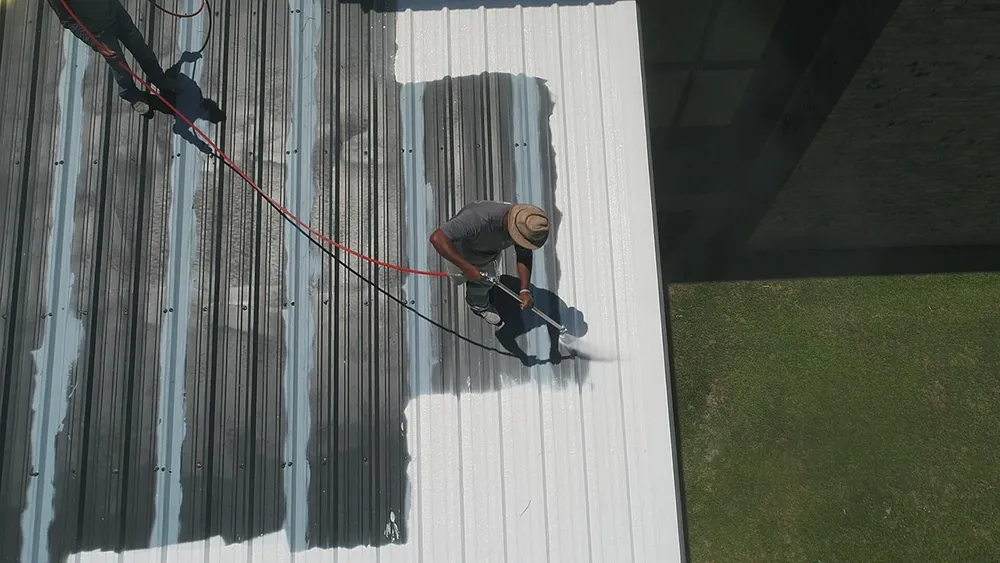
Nothing breathes life into a business quite like a fresh coat of paint. It raises employee morale and makes everything look sharp. But if you think applying color on a commercial space is just like painting a living room, you are in for a very stressful wake-up call.
Commercial painting is a whole different story. Between massive, strict building codes and the nightmare of disrupting your daily operations, there are plenty of places where things can go horribly wrong. One wrong move can blow your budget sky-high!
Before you grab a roller, let’s look at the classic blunders people make. And how you can avoid them completely.
Underestimating the Importance of Surface Preparation
One of the biggest (and most expensive) mistakes you can make is jumping straight to painting without preparing the surface properly. According to the Materials Analytical Group, poor surface preparation is responsible for an estimated 75% of coating failures. Skipping prep work might save time upfront, but it can quickly lead to peeling, cracking, and a finish that looks worn out much sooner than expected.
Before applying any paint, the surface needs to be spotless. Dust, dirt, grease, and leftover paint can stop new coats from sticking properly. Power washing is often the quickest way to remove stubborn grime and get the surface ready for larger commercial buildings.
A proper prep process usually includes:
- Cleaning the surface: Removing dust, dirt, grease, and old residue so the paint can bond properly.
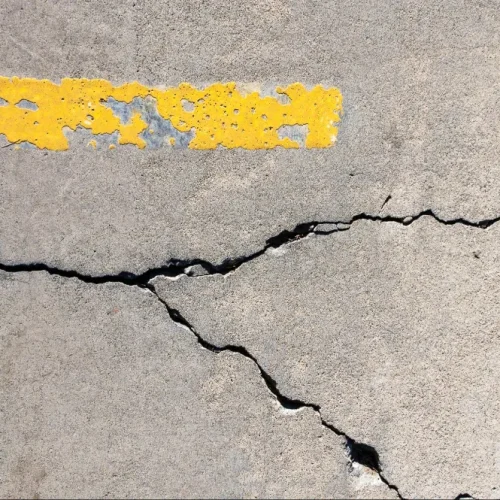
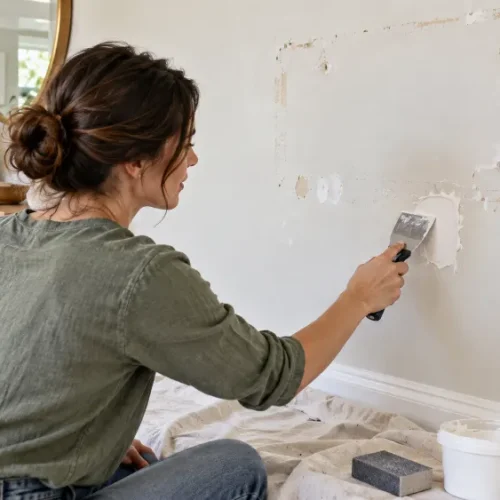
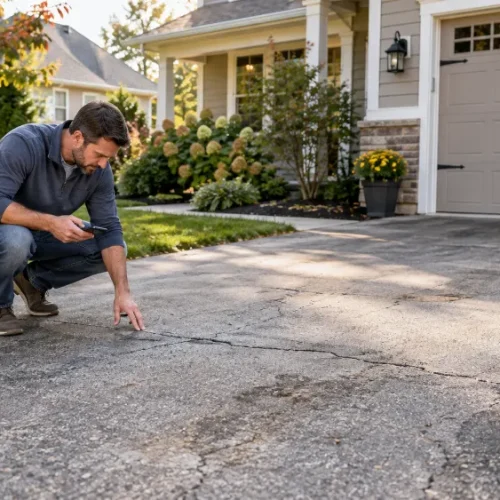
- Repairing damage: Filling cracks, holes, and uneven areas to create a smooth, consistent base.
- Applying primer: Helping the paint stick better, especially on porous surfaces like drywall and masonry or areas with stains.
These steps might not be the most exciting part of painting, but they make a huge difference in how long the finished job lasts. A rushed prep process can mean more repairs and repainting later.
That’s why working with local professionals can be a smart investment. Experienced painters understand how factors like climate, building materials, and surface conditions affect paint performance. For example, businesses can benefit from hiring a trusted commercial painter who has access to the right equipment, industrial-grade cleaners, and specialized primers to help the paint job stay durable for years.
Choosing the Wrong Paints
Choosing the right paint is just as important as proper preparation when it comes to achieving a professional result. The wrong choice can affect durability, appearance, and even the frequency of touch-ups.
Different surfaces and environments require different types of paint. An experienced painter will consider factors like the material being painted, the level of foot traffic, weather exposure, and the purpose of the space before recommending the best option.
For instance:
- High-traffic areas: Need tough paints that can handle frequent cleaning and everyday wear.
- Exterior surfaces: Require weather-resistant formulas that can withstand sunlight, moisture, and environmental damage.
- Commercial interiors: Often benefit from finishes that balance durability with a clean, professional look.
Let’s say you’re planning interior painting in Concord; look for the best professionals in your vicinity. They can help you choose the right colors and finishes for your space. Using color samples and expert advice before committing to a paint choice can prevent costly mistakes and ensure a finish that looks great and lasts longer.
Relying on Shortcuts, Not the Right Methods
A professional-looking paint job isn’t just about choosing the right color or tools. Timing plays a big role too. One of the most common mistakes is rushing between coats before the paint has fully dried. This can cause streaks and an uneven finish that takes away from the final result.
Giving each coat enough time to dry helps the paint stick properly. Plus, it creates a longer-lasting finish. Note that the drying times can vary depending on the paint type, so it’s always a good idea to follow the manufacturer’s recommendations.
A few factors that can affect drying time include:
- Humidity: Moist air can slow down the drying process.
- Temperature: Extreme heat or cold can impact paint adhesion.
- Paint type: Different formulas require different drying times.
Even color choices, such as understanding the benefits of yellow walls, can make a difference when planning a space. However, the best results come from combining the right color selection with proper prep and application. Taking a patient approach is much wiser than using shortcuts.
Ignoring Post-Paint Clean-Up
A fresh coat of paint can completely transform a commercial space. But the work doesn’t stop once the last stroke is complete. Proper clean-up is an important step that keeps your tools in good condition and protects the newly painted surfaces.
Cleaning brushes, rollers, and other equipment right after use prevents paint from drying and damaging your supplies. It’s a simple habit that can help you avoid unnecessary replacements and save money over time.
Keeping your paintwork looking its best also requires regular maintenance. A little upkeep goes a long way, particularly in busy commercial spaces where walls are more likely to collect dirt or scuff.
Below are a few easy maintenance tips:
- Clean surfaces regularly: Remove dust and marks before they build up.
- Fix small issues early: Touch up chips or scratches before they become bigger problems.
- Protect high-traffic areas: Give extra attention to spaces that see frequent use.
Commercial painting involves more than just applying color to walls. Paying attention to maintenance helps create a cleaner finish that lasts.
Painting Over a Damp Surface
It can be tempting to paint over a damp patch and hope for the best, but that rarely solves the problem. In most cases, it simply hides the issue for a short time before bubbling, blistering, or peeling starts to appear.
Moisture trapped behind paint weakens the bond between the coating and the surface. As the dampness works its way through the wall, it pushes against the paint, causing it to lift and eventually fail. Research on coating performance has consistently shown that moisture is one of the leading causes of blistering and coating failure.
Before you pick up a paintbrush, make sure you:
- Find the source: Check for leaks, rising damp, or poor ventilation.
- Fix the problem first: Address the moisture issue before repainting.
- Let the surface dry completely: Painting over a damp wall only traps moisture underneath.
Treating the root cause is always better than covering it up. As soon as the surface is clean, dry, and properly repaired, the paint is far more likely to adhere well. It then delivers a smooth finish that lasts.
The Bottom Line
At the end of the day, a commercial painting project shouldn’t be a gamble. It is a major investment in the image and property value of any business. It could be tempting to cut corners on prep work or buy the cheapest paint on the shelf; those shortcuts almost always come back to haunt your reputation.
Save yourself the massive headache. Plan ahead, don’t skip the boring prep stages, and leave the heavy lifting to the professionals who do this for a living!