A home can be remembered long after a visit ends, though not always for the reasons people expect. Rarely is it the expensive furniture or the latest renovation that leaves a lasting impression. Instead, a certain stay-a-little-longer feeling is often created through details that seem small at first glance. The atmosphere is noticed, the comfort is felt, and a sense of welcome is quietly communicated.
Many homeowners focus on appearance alone, while guests tend to respond to something deeper. A room can be beautifully decorated, though it may still feel cold or disconnected. On the other hand, a modest space can feel warm and inviting when thoughtful choices have been made. What makes people instantly relax when they step through the door? The answer is usually found in a combination of cleanliness, comfort, and genuine consideration for those being welcomed.
The First Few Minutes Set The Tone
The experience of a home begins before guests have settled into a chair. First impressions are formed quickly, and they are often influenced by details that are noticed subconsciously. An uncluttered entryway, a fresh scent, and a tidy living area can immediately create a positive feeling.
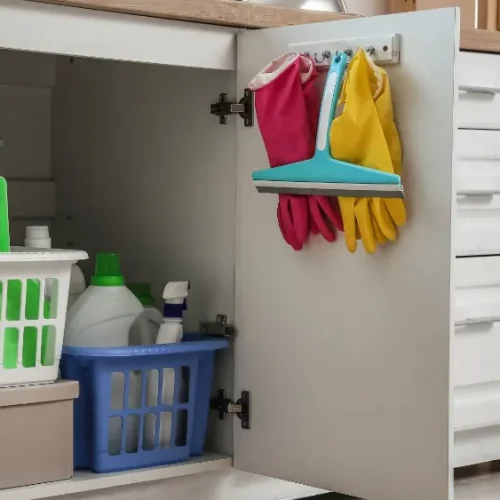
Cleanliness is often viewed as a basic requirement, though it plays a larger role than many people realize. When surfaces are spotless and rooms are well maintained, visitors tend to feel more comfortable. For that reason, many homeowners rely on professional support from companies such as DB Cleaning Services when preparing their homes for guests or special gatherings.
A welcoming atmosphere is also created when personal belongings are organized rather than scattered throughout shared spaces. Guests should feel that room has been made for them. Consider a simple example. A family gathering may be held in a home with limited square footage, though thoughtful organization can make the space feel surprisingly open. In another example, a large home may feel cramped when clutter has been allowed to accumulate.
Small details are remembered, remembered because they influence comfort from the moment someone arrives.
Comfort Beats Perfection Every Time
Many people assume that an inviting home must look flawless. In reality, comfort is usually valued more than perfection. Guests are not arriving to conduct an inspection. They are visiting to spend time, connect, and feel at ease.
Comfort can be encouraged through practical choices. Seating should be arranged so conversation feels natural. Lighting should be pleasant rather than harsh. Temperatures should be adjusted according to the season and the number of people present.
A welcoming home also allows guests to feel relaxed about being themselves. When hosts appear stressed about every detail, that tension can be sensed by visitors. A calm atmosphere is often reflected throughout the space.
Have you ever visited a home where everything looked perfect, though nobody seemed comfortable? That contrast highlights an important point. Hospitality is not measured by appearance alone. It is felt through the experience that is created.
Little Touches Leave A Big Impression
Inviting homes often share one thing in common. Thoughtfulness has been woven into the experience. Guests notice when effort has been made, even when that effort is subtle.
Some simple touches can make a noticeable difference:
- Fresh hand towels in the bathroom
- Easily accessible seating for everyone
- A clean dining or coffee table
- Soft lighting during evening gatherings
- Refreshments placed where guests can help themselves
- Clear pathways free from unnecessary clutter
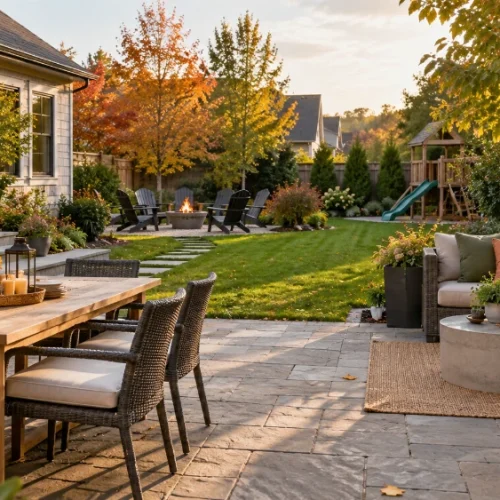
- Seasonal touches that add warmth without overwhelming the space
These details are not expensive, and they do not require major changes. Their value comes from the message they send. Visitors are shown that their comfort has been considered before they arrived.
Attention is often given to guest rooms when overnight visitors are expected. However, even short visits can be improved through thoughtful preparation. A welcoming, peaceful environment is built through many small choices rather than one dramatic gesture.
Spaces That Feel Bright Feel More Open
The way a home feels is influenced heavily by light, color, and openness. Rooms that appear dark or crowded can feel less welcoming, even when they are clean and organized. Fortunately, dramatic renovations are not required to improve the atmosphere.
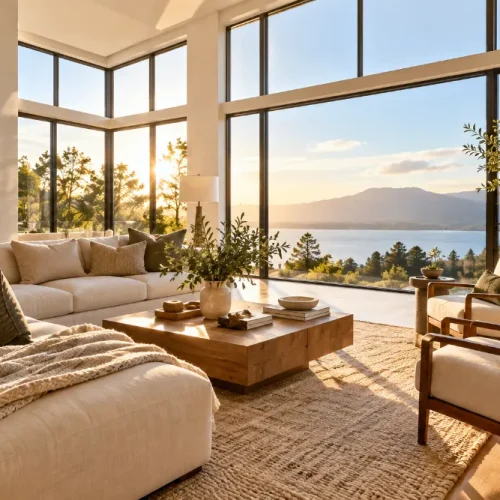
Natural light should be allowed to enter whenever possible. Window treatments can be adjusted, and furniture can be arranged to avoid blocking sunlight. Mirrors are often used to reflect light throughout a room, creating a brighter appearance.
Color choices also contribute to the overall feeling of a space. Soft, balanced tones are frequently preferred because they help rooms feel calm. Decorative elements should support the room rather than compete for attention.
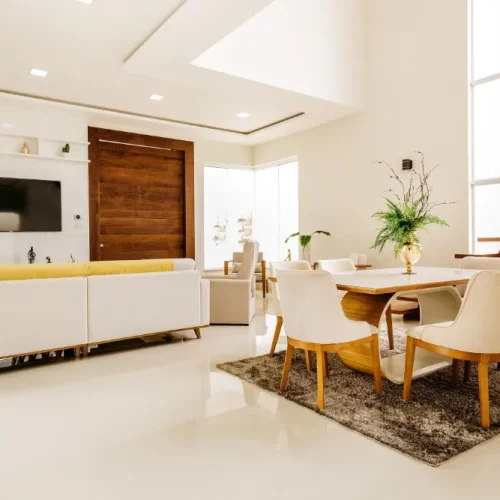
In discussions about home updates, one of the best design ideas for a brighter living space is often the simplest: reducing visual clutter. When unnecessary items are removed, rooms feel larger, lighter, and easier to enjoy. Would guests feel more comfortable in a room filled with distractions, or in a space that feels open and easy to move through?
The answer is usually reflected in how long people choose to stay and socialize.
The Feeling Guests Take Home With Them
An inviting home is rarely defined by square footage, luxury finishes, or expensive décor. Instead, it is shaped by the experience that visitors have from the moment they arrive until the moment they leave. Clean spaces, comfortable surroundings, and thoughtful details work together to create that experience.
People tend to remember how they felt in a home more than what they saw. They remember conversations that flowed naturally, spaces that felt welcoming, and moments that allowed them to relax. A home that feels genuinely inviting does not demand attention. It quietly encourages connection and comfort.
When cleanliness is maintained, when comfort is prioritized, and when guests are considered in the preparation process, a lasting impression can be created. Those are often the homes people look forward to visiting again, because they offer something that cannot be purchased or installed. They offer a sense of welcome that feels authentic from beginning to end.