Finding a new apartment is an exciting milestone, but the pressure to secure a place can sometimes cloud your judgment. In a competitive housing market, it is remarkably easy to overlook subtle warning signs that could turn your dream home into a living nightmare. Taking the time to look closely at a property and its management can save you thousands of dollars and endless emotional stress.
According to national housing surveys, roughly 45% of tenants report experiencing significant, unaddressed maintenance issues within the first six months of moving into a new rental unit. Spotting these warning signs early ensures you remain in control of your housing journey, which is why utilizing professional renter legal resources before you sign can keep you protected. To better understand your local jurisdiction’s baseline safety rules, you can cross-reference your lease terms with the HUD Rental Housing Guidelines, which outline federal standards for safe living conditions. Taking this proactive step ensures you are fully equipped to handle problematic property owners.
1. Physical Deficiencies in the Property
Physical hazards and maintenance neglect are the most immediate indicators of a landlord who cuts corners. If an apartment shows signs of poor upkeep during an open house, it is highly unlikely to improve after you move in. Here are the critical physical warning signs to check:
Signs of Active Water Damage and Mold
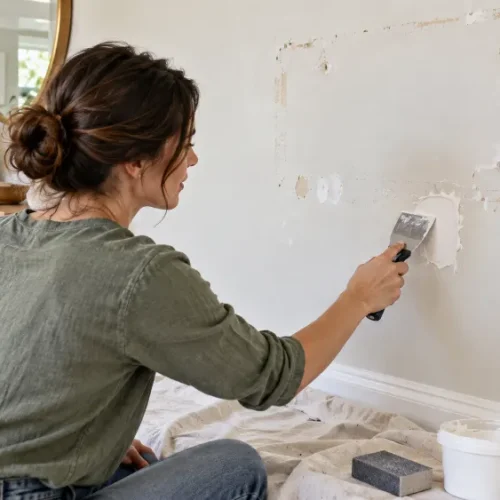
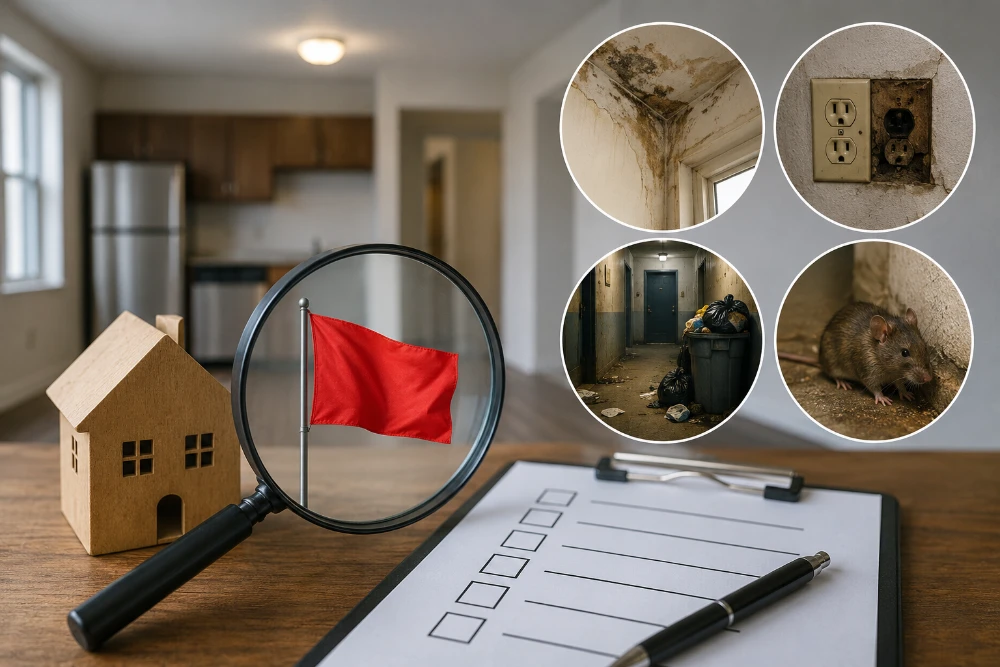
Water stains on the ceiling or a persistent musty odor indicate unresolved structural leaks and potential toxic mold growth. Look closely at the baseboards, inside the cabinets beneath sinks, and around bathroom windows for any discoloration or bubbling wallpaper.
Inadequate Water Pressure and Faulty Plumbing
Low water pressure or rust-colored water suggests deeply corroded plumbing systems that can lead to sudden bursts or toxic exposure. Turn on the kitchen and bathroom faucets simultaneously, and flush the toilets to ensure the water flows strongly and drains quickly.
- Stat to Consider: 1 in 5 renters report that severe mold or plumbing failures forced them to break their lease early or seek emergency legal intervention.
Unsafe or Outdated Electrical Systems
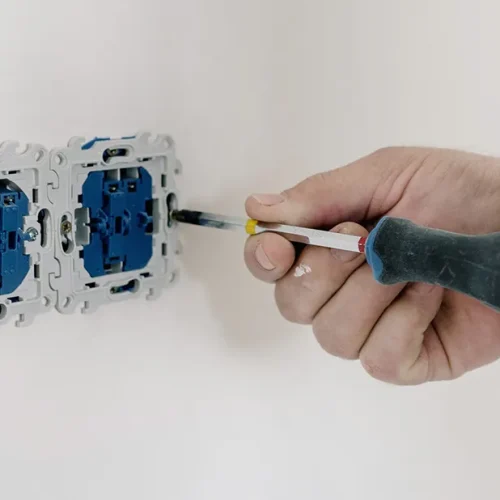
Flickering lights, loose wall outlets, or a lack of Three-Prong GFI outlets in kitchens and bathrooms are severe safety hazards. If you notice exposed wiring or an ancient electrical panel, the property may not comply with modern local building codes.
2. Questionable Landlord and Management Behavior
The behavior of a property manager during the showing phase accurately reflects how they will treat you throughout your tenancy. Professional landlords respect boundaries, maintain open communication, and value transparency. Look out for these behavioral red flags:
- Refusal to Show the Actual Unit: If a property manager insists on only showing you a “model unit” or claims the actual apartment isn’t ready for viewing, consider it a massive red flag. You have a right to see the exact space you will be paying for.
- Extreme Pushiness or High-Pressure Tactics: High-pressure sales tactics like demanding an immediate cash deposit to “hold the unit” often signal that the landlord is hiding something or desperate to lock you into a bad agreement.
- Vague Answers Regarding Past Repairs: If a manager shrugs off your questions about a stained ceiling or an old appliance by saying, “We’ll look into it later,” ensure that promise is written directly into the lease agreement before signing.
3. Distrustful Lease Agreements and Legal Overreach
A standard lease agreement should protect both the tenant and the landlord equally without violating local ordinances. Hidden fees, illegal clauses, and missing terms are common traps used by predatory property owners to exploit unsuspecting renters.
Always review the lease carefully to see if it allows the landlord to enter your apartment without prior notice. Standard legal agreements require a minimum of 24 to 48 hours of advance notification for non-emergency repairs. Furthermore, beware of clauses that attempt to shift all structural maintenance costs onto your shoulders.
By closely examining your contract for these strict or predatory stipulations early on, you can catch unfair expectations before they become binding.
4. Neighborhood and Environmental Red Flags
The environment surrounding your building is just as crucial as the interior of your apartment. Checking the external conditions helps you avoid safety issues, unexpected noise disruptions, and frustrating commutes after you move in.
Neglected Common Areas and Pests
Overflowing trash bins, broken security doors, and unlit hallways indicate a management team that ignores basic safety and hygiene. Keep an eye out for small, dark droppings or pest traps in the corners of hallways, which indicate an active rodent or insect infestation.
Unusual Odors and Excessive Environmental Noise
Visit the neighborhood during different times of the week, especially at night and during rush hour, to evaluate the environment. An apartment that seems perfectly serene on a Tuesday morning might sit directly next to a loud, disruptive nightlife district or a high-traffic railway line over the weekend.
Final Checklists Before Signing Your Lease
Protecting yourself as a tenant requires active diligence and trusting your instincts throughout the viewing process. If something feels wrong or too good to be true, it usually is. Use this final quick checklist to confirm your choice:
- Test every single light switch, window lock, and door handle in the actual unit.
- Search online for public reviews or city code violations associated with the property management company.
- Verify that utility responsibilities (water, gas, electricity, trash) are explicitly outlined in the written lease.
- Take time-stamped photographs of every room during your final walkthrough to establish a baseline for your security deposit.
By keeping a watchful eye out for these subtle rental red flags, you can step into your next home with absolute confidence and peace of mind.