This post contains affiliate links. As an Amazon Associate, I earn from qualifying purchases, at no extra cost to you. See our disclosure policy.
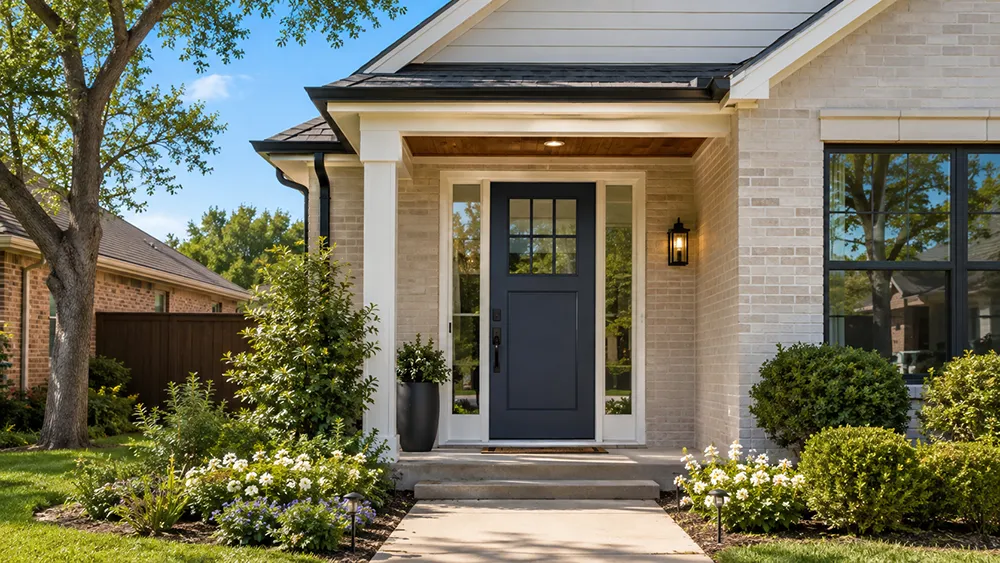
Have you ever pulled up to a house for the first time and formed an opinion about it before you even reached the driveway? That instant reaction, fair or not, happens to every home, and it usually comes down to just a handful of visual cues. Few of those cues carry as much weight as the front door, and few upgrades change that first impression as dramatically for as little disruption.
For homeowners in Dallas, upgrading the front door is a practical way to enhance curb appeal while complementing the home’s architectural style. A full exterior renovation is expensive, messy, and time-consuming. A new front door is none of those things, yet it consistently ranks among the highest-value, lowest-hassle improvements a homeowner can make.
Why the Front Door Carries So Much Visual Weight
The front door sits at the literal center of a home’s facade, drawing the eye whether a visitor realizes it or not. It is the one exterior element every guest interacts with directly, touching the handle and standing in front of it while waiting to be let in. That combination of visibility and physical interaction gives it an outsized influence on how the entire home feels.
A dated, weathered, or mismatched door pulls attention toward everything wrong with a home’s exterior, even if the landscaping, siding, and windows are all in fine shape. A well-chosen door does the opposite, anchoring the entire facade and making everything around it look more intentional by comparison.
How a New Front Door Improves Curb Appeal
A new front door improves curb appeal through a few specific mechanisms working together rather than any single dramatic change:
- Color contrast against the home’s siding. A well-chosen color immediately draws the eye to the entryway in a flattering way, rather than letting the door blend in or clash with the exterior around it.
- Updated hardware. Modern handles, hinges, and kick plates replace small details that quietly signal a home’s age even when most people cannot articulate exactly why an entryway looks dated.
- Proper proportions and glass detailing. Adjusting the panel layout, sidelights, or glass inserts modernizes the entrance without requiring any structural changes to the opening itself.
- Fresh weatherstripping and a properly sealed frame. Eliminating the gaps and light leaks common in older doors removes one of the most common visual and functional signs of wear.
- A finish that actually holds up outdoors. A door that fades, peels, or warps within a few seasons undoes its own curb appeal benefit quickly, so material and finish quality matter as much as the initial look.
Together, these changes accomplish what a full renovation would attempt through far more disruptive means, refreshing the home’s most visible feature without touching the roofline, the windows, or the rest of the exterior. Each mechanism on its own makes a modest difference, but stacked together they explain why a single door swap can shift how an entire home reads from the street.
The Financial Case Backs Up the Visual One
The appeal of a new front door is not just aesthetic. According to the National Association of Realtors, 97 percent of Realtors surveyed believe curb appeal is important in attracting a buyer. Also, 92 percent say they have suggested sellers improve their curb appeal before listing a home for sale. That level of near-unanimous agreement among real estate professionals reflects just how much weight a home’s exterior carries in shaping a buyer’s very first impression.
That data lines up with what real estate agents consistently observe: buyers form an opinion about a home before they ever step inside, and the entryway plays an outsized role in shaping that first impression.
Choosing a Door That Fits the Home, Not Just the Trend
Not every trending door style suits every home, and choosing based purely on what looks good in photos can backfire once it is installed against a specific home’s brick, siding, or architectural style.
When selecting a new front door, consider:
- Architectural style: Choose a design that complements your home’s overall character, whether it’s craftsman, traditional, contemporary, or modern.
- Material: Balance appearance, durability, maintenance requirements, and climate suitability when comparing wood, steel, or fiberglass.
- Color: Select a finish that enhances the exterior palette and creates an inviting focal point without overpowering the facade.
- Glass details: Decorative glass, sidelights, and panel designs should match the home’s proportions while providing the desired level of natural light and privacy.
- Hardware: Coordinate handles, locks, and other hardware with both the door style and the home’s exterior finishes for a cohesive look.
Taking these elements into account helps create an entryway that feels intentional and timeless, rather than one that simply follows a passing trend.
Why Working With a Dedicated Door Specialist Matters
Curb appeal projects often succeed or fall short based on execution details that are easy to overlook without direct experience, including precise measurements, proper sealing, accurate installation, and hardware that complements the door’s overall design. Even a high-quality door can lose much of its visual impact if it is poorly fitted or finished. Working with an experienced door specialist in Dallas helps ensure the installation is completed correctly while enhancing both the appearance and performance of your entryway.
This is exactly why so many homeowners specifically choose Your New Door in Dallas when planning this kind of upgrade. A company that designs, builds, and installs doors in-house can maintain greater consistency throughout the process, helping ensure the finished product fits properly, operates smoothly, and complements the home’s architectural style. That attention to detail not only enhances curb appeal but also contributes to better long-term performance and durability.
Beyond Curb Appeal: Everyday Benefits of a New Front Door
The visual transformation a new front door provides is immediate, but many homeowners end up appreciating the everyday improvements just as much. Modern doors are designed with better insulation, tighter seals, and more durable materials, helping reduce drafts and maintain a more comfortable indoor temperature throughout the year. They also tend to operate more smoothly, eliminating sticking, rattling, or difficulty closing that often develops with older doors.
Security is another meaningful advantage. Many replacement doors feature stronger construction, reinforced frames, and modern locking systems that improve both safety and peace of mind. Combined with improved weather resistance and lower maintenance requirements, these practical benefits ensure the value of a new front door extends well beyond its impact on curb appeal.
Final Thoughts
A new front door offers something rare among home improvement projects: a dramatic, highly visible transformation that requires none of the mess, disruption, or expense of a full renovation. The data backs up what most homeowners sense intuitively, that this single upgrade carries outsized weight in how a home is perceived from the curb, with returns that consistently rank among the best in the entire remodeling market.
For anyone looking to meaningfully change how their home presents itself without tearing into siding, windows, or a full exterior overhaul. A thoughtfully chosen and properly installed front door remains one of the most efficient ways to get there.