This post contains affiliate links. As an Amazon Associate, I earn from qualifying purchases, at no extra cost to you. See our disclosure policy.
Creating more usable living space does not always mean adding square footage to your home. Sometimes one of the best opportunities is already sitting just outside the back door.
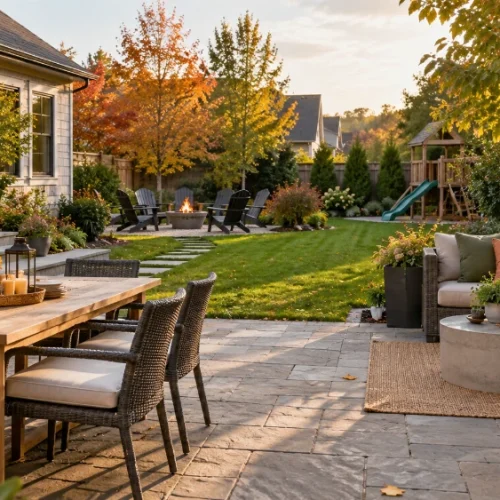
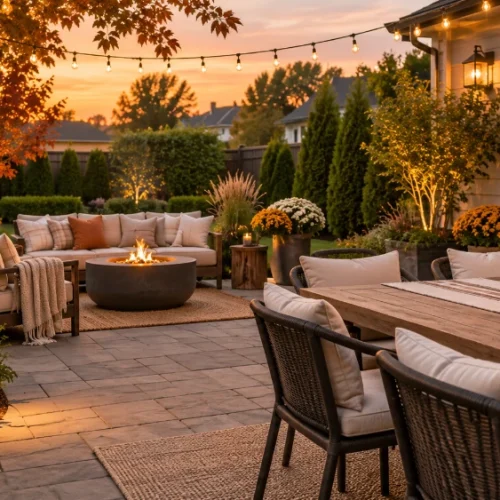
A patio that feels too sunny, exposed, or uncomfortable can easily go unused for much of the year. With a few thoughtful improvements, however, that same space can become an extension of the home where you can enjoy morning coffee, family dinners, casual entertaining, or quiet evenings outdoors.
The key is improving the patio without allowing a relatively simple project to turn into an expensive addition. Instead of enclosing the entire area, homeowners can focus on shade, weather protection, lighting, privacy, furniture, and other practical details that make an outdoor area more comfortable.
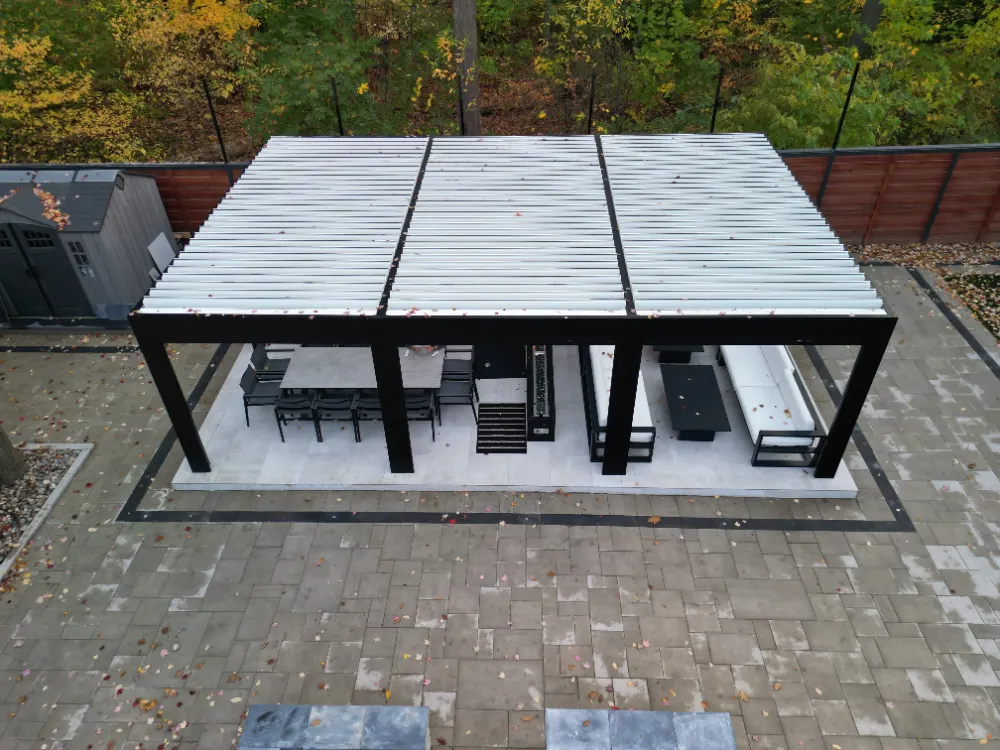
For example, a pergola with louvered roof can provide adjustable overhead coverage without requiring homeowners to transform the patio into a fully enclosed room. Combined with a sensible layout and a few smaller improvements, this type of approach can make an existing patio far more useful while preserving its outdoor character.
Outdoor Expansion Does Not Always Require Building an Addition
When homeowners start thinking about gaining more living space, their first ideas often involve construction.
A sunroom, screened porch, enclosed patio, or home addition can certainly provide valuable space. Those projects can also involve structural work, insulation, windows, flooring, HVAC modifications, permits, and significant costs.
That may be unnecessary when the real goal is simply to spend more time outside.
Instead, think of the patio as an existing room that happens to lack some of the features that make indoor rooms comfortable.
Perhaps it already has:
- Enough floor area for seating
- Convenient access from the kitchen
- A pleasant view of the yard
- A solid concrete or paver surface
- Space for a dining table
- Nearby electrical access
If those basic elements are already in place, you may only need to solve a few specific problems.
The afternoon sun could be overwhelming. A light rain might force everyone indoors. The space may become too dark after sunset, or neighboring properties may make the patio feel less private than you would like.
Addressing those individual issues is often far simpler than rebuilding the entire area.
Start by Identifying Why You Are Not Using the Patio
Before shopping for furniture, outdoor kitchens, heaters, or decorative features, determine what actually prevents you from using the patio today.
Think about the last several times you considered going outside but decided against it.
What stopped you?
Common reasons include:
| Patio Problem | Possible Improvement |
|---|---|
| Too much afternoon sun | Adjustable shade or overhead cover |
| Light rain makes the space unusable | Weather-resistant roof coverage |
| Patio feels dark at night | Layered outdoor lighting |
| Neighbors can easily see the seating area | Privacy screens or landscaping |
| Furniture becomes uncomfortably hot | Shade plus more appropriate materials |
| Water collects after storms | Drainage improvements |
| Bugs make evenings unpleasant | Fans, screening strategies, or landscaping adjustments |
| Patio feels disconnected from the house | Better furniture placement and traffic flow |
| Space feels unfinished | Rugs, planters, lighting, and coordinated furniture |
This simple exercise can prevent unnecessary spending.
If excessive sunlight is the main issue, for example, installing elaborate built-in cabinetry will not suddenly make the patio comfortable at 3 p.m.
Solve the problems that actually prevent you from enjoying the space.
Plan Around How You Really Live
Outdoor design is often influenced by photographs of elaborate patios filled with large dining tables, outdoor kitchens, sectional sofas, fire features, televisions, bars, and decorative lighting.
Those spaces can look impressive.
That does not necessarily mean your patio needs all of them.
Consider what you realistically want to do outside.
A couple that mainly wants somewhere to enjoy breakfast may only need a small table, comfortable chairs, shade, and a pleasant view.
A family that regularly hosts weekend dinners might benefit more from a larger dining table, flexible seating, and convenient access to the kitchen.
Someone who enjoys reading outdoors could prioritize a comfortable chair, a side table, good shade, and quiet landscaping.
Design around your routines rather than trying to fit every possible outdoor feature into one space.
Think in Outdoor Zones
Even a relatively small patio can feel more organized when it is divided into functional areas.
You might create:
- A dining zone near the kitchen door
- A conversation area farther from the house
- A small grilling station
- A quiet reading corner
- A children’s activity space
- A planter or gardening area
These zones do not necessarily need walls or permanent divisions.
Furniture placement can define them.
An outdoor rug might visually establish a seating area. A group of planters can separate dining and lounging spaces. Lighting can also distinguish different parts of the patio after dark.
This approach gives the area structure without adding substantial construction.
Measure Before You Add Anything
An empty patio often appears larger than it really is.
Once a dining table, chairs, grill, planters, and other items arrive, walking space can disappear surprisingly quickly.
Measure the patio before making major purchases.
Pay attention not only to the dimensions of furniture but also to the room needed around it.
Dining chairs need space to pull out. Doors need clearance to open. People need comfortable paths between the house and yard.
Try marking furniture dimensions on the patio with painter’s tape before purchasing anything. This gives you a much better idea of how the finished arrangement will feel.
Maintaining open circulation can make a modest patio feel considerably larger.
Flexible Overhead Cover Can Make a Major Difference
One of the biggest obstacles to enjoying an outdoor area is unpredictable weather.
Direct sunlight can make a patio uncomfortable even when the temperature itself is pleasant. A sudden shower can end dinner. Tree debris and falling leaves can also make an uncovered patio harder to maintain.
Overhead protection helps address these issues.
There are several approaches homeowners can consider, including:
- Retractable awnings
- Traditional pergolas
- Louvered pergolas
- Shade sails
- Large umbrellas
- Solid patio covers
- Covered porches
The right solution depends on the home’s architecture, patio size, climate, orientation, and budget.
Adjustable systems can be particularly useful because homeowners are not forced to choose between permanent shade and completely open sky.
Regardless of the type of cover selected, think about how it will affect both the patio and the rooms inside the house.
A large permanent roof placed outside a kitchen or living-room window, for example, could reduce indoor daylight. An adjustable structure may provide more flexibility.
Pay Attention to Drainage
Weather protection does more than keep rain off your furniture.
The water still has to go somewhere.
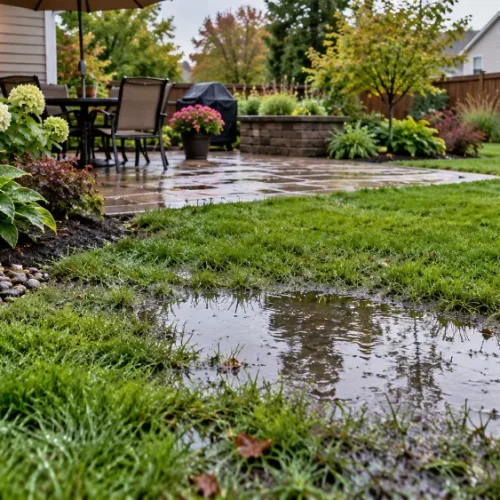
Any roofed or partially roofed patio design should account for drainage from the beginning. Gutters, downspouts, roof channels, patio slopes, and nearby landscaping can all affect where water travels during a storm.
Poorly planned drainage can create new problems, including:
- Standing water
- Soil erosion
- Water collecting near the foundation
- Muddy landscaping
- Slippery patio surfaces
- Splashing near doors
- Damage to nearby plants
Before adding major patio features, observe the space during or immediately after heavy rain.
Look for puddles, overflowing gutters, erosion, and areas where water flows toward the house.
Correcting drainage first is usually much easier than trying to redesign it after a permanent structure has been installed.
Make the Transition From Indoors to Outdoors Easy
The most successful outdoor spaces often feel connected to the home rather than isolated from it.
Consider the route between the kitchen and the patio.
If you expect to eat outside frequently, the dining area should usually be positioned where carrying plates, drinks, and serving dishes is reasonably convenient.
Avoid layouts that force people to squeeze behind furniture every time they enter or leave the house.
The same principle applies to outdoor cooking.
A grill does not necessarily need to sit directly beside the kitchen door, but it should be positioned so that transporting food and utensils is practical while still maintaining appropriate safety clearances.
Small improvements to circulation can have a surprisingly large effect on how often you use the patio.
Choose Furniture That Fits the Space
Oversized furniture is one of the easiest ways to make a patio feel smaller.
Before buying a large outdoor sectional or dining set, consider how much seating you actually need on a typical day.
Flexible furniture can often work better.
Consider combinations such as:
- Lightweight dining chairs
- Stackable chairs
- Small side tables
- Benches
- Modular seating
- Ottomans that double as extra seating
- Nesting tables
Furniture that can be moved allows the patio to adapt.
You might arrange the space for a quiet evening during the week and then add extra seating when guests visit.
Look for outdoor-rated materials designed to tolerate the conditions where the furniture will be used. Sun exposure, humidity, rain, temperature changes, and nearby trees can all affect durability.
Use Lighting to Make the Patio Functional After Sunset
A patio designed only for daylight misses a significant portion of its potential.
Outdoor lighting does not need to be complicated.
The most comfortable spaces typically use several gentle light sources rather than a single bright fixture.
You might combine:
- Wall-mounted fixtures near doors
- Overhead lighting beneath a patio cover
- Pathway lights
- Step lighting
- Portable outdoor lamps
- String lights
- Landscape lighting around nearby plants
Start with practical lighting.
Doors, steps, cooking areas, and walking routes should be easy to see.
Decorative lighting can then create atmosphere around seating and landscaping.
Electrical work and permanent outdoor fixtures should be suitable for exterior conditions and installed according to applicable requirements.
Add Privacy Without Closing In the Patio
Many homeowners want privacy, especially in neighborhoods where patios sit relatively close together.
The challenge is creating separation without making the patio feel enclosed.
Instead of constructing solid walls around the entire space, consider targeted privacy solutions.
Options might include:
- Tall planters
- Decorative privacy panels
- Outdoor curtains
- Trellises
- Climbing plants
- Strategically positioned shrubs
- Slatted screens
Start by identifying the actual sightlines you want to block.
If a neighboring window overlooks one corner of the patio, you may only need screening in that specific location.
This preserves views, airflow, and natural light elsewhere.
Use Landscaping as Part of the Outdoor Room
Landscaping can make a patio feel like a deliberate extension of the home rather than a slab surrounded by lawn.
Plants soften hard surfaces and create visual boundaries.
Large containers can be especially useful because they provide flexibility. They can frame entrances, define seating areas, create privacy, or add seasonal color without permanent construction.
Choose plants based on the actual conditions around your patio.
Consider:
- Hours of direct sunlight
- Afternoon heat
- Shade from the house
- Wind exposure
- Water availability
- Mature plant size
- Maintenance requirements
Avoid selecting plants solely because they looked attractive at the garden center.
A plant that prefers partial shade may struggle beside a west-facing patio receiving intense afternoon sun.
Consider Outdoor Rugs and Textiles
You do not need structural changes to make an outdoor area feel more comfortable.
An outdoor rug can quickly define a seating or dining zone while adding softness to an otherwise hard surface.
Cushions, pillows, and weather-resistant fabrics can have a similar effect.
Just make sure these materials are suited to outdoor conditions and can dry properly after rain.
If the patio receives significant moisture, avoid arrangements that trap water underneath rugs or furniture. Occasional cleaning can also help prevent dirt, leaves, and organic material from collecting beneath them.
Provide Shade From More Than One Direction
Overhead shade solves only part of the problem.
Morning and evening sun often arrives at a low angle, passing beneath pergolas and patio roofs.
Observe the patio throughout the day before finalizing the design.
A west-facing patio may be comfortable during breakfast but receive intense late-afternoon sunlight. An overhead roof alone may not block that glare.
Strategically placed landscaping, shades, curtains, or screens can provide additional protection where needed.
The goal is not necessarily to block every ray of sunlight. It is to create comfortable conditions during the hours when you are most likely to use the space.
Do Not Ignore Air Movement
Shade becomes much more comfortable when air can circulate.
Before surrounding the patio with privacy screens or dense landscaping, consider how those additions will affect airflow.
In warm climates, ceiling or wall-mounted outdoor fans can make covered patios considerably more comfortable.
Portable fans may provide another option where permanent installation is unnecessary.
Maintaining airflow can also help outdoor cushions and surfaces dry more quickly after humid or rainy weather.
Keep Outdoor Cooking Proportionate
It is easy for a simple patio refresh to evolve into an elaborate outdoor kitchen.
Before installing countertops, plumbing, appliances, refrigeration, storage, and permanent cooking equipment, ask how often those features will actually be used.
For many households, a quality grill, small preparation surface, storage cart, and nearby indoor kitchen provide everything necessary.
More elaborate outdoor kitchens make sense for some homeowners, particularly those who entertain frequently.
They simply should not become an automatic requirement for creating a useful outdoor living area.
Know Where DIY Should End
Many patio improvements are approachable DIY projects.
Homeowners may be comfortable handling tasks such as:
- Arranging furniture
- Installing outdoor rugs
- Adding planters
- Painting suitable surfaces
- Assembling freestanding furniture
- Installing some non-permanent decorative elements
Other work requires more care.
Structural foundations, roof connections, electrical installations, and certain permanent attachments can affect safety and the integrity of the home.
Local permit requirements may also apply depending on the size, height, construction method, and location of a patio structure.
A product being sold as a kit does not necessarily mean it can be installed anywhere without additional review.
Before purchasing a large structure, verify local requirements and determine whether the existing patio can support the planned installation.
Check the Existing Patio Before Building Around It
New additions cannot compensate for a failing foundation underneath them.
Inspect the existing patio carefully.
Look for:
- Significant cracks
- Uneven sections
- Loose pavers
- Drainage problems
- Areas that have settled
- Deteriorated joints
- Water collecting near the home
Some minor cosmetic wear may not be a concern. Larger movement or drainage problems may need professional evaluation.
Fixing those issues first helps prevent homeowners from investing in a beautiful new patio setup that later has to be removed for repairs.
Avoid Trying to Recreate an Indoor Living Room Outside
Outdoor spaces work best when they remain outdoor spaces.
You can make a patio comfortable without attempting to eliminate every sign of weather, temperature change, sunlight, wind, or seasonal variation.
Trying to completely control the environment often pushes a project toward enclosure.
Walls lead to windows. Windows lead to insulation. Insulation may lead to heating and cooling. Before long, the patio has become an addition.
If your original goal was simply to enjoy the backyard more often, that level of construction may not be necessary.
Instead, provide enough shelter and comfort to extend the number of pleasant hours you can spend outside.
Build the Project in Stages
One advantage of improving an existing patio instead of building an addition is that the work can often happen gradually.
A practical sequence might look like this:
- Repair drainage or surface problems.
- Establish the furniture layout.
- Add appropriate overhead shade or weather protection.
- Improve lighting.
- Address specific privacy concerns.
- Introduce plants and landscaping.
- Add decorative elements and accessories.
Living with each stage for a while can reveal what the patio actually needs next.
You may discover that the space already works beautifully and several features you originally planned are unnecessary.
That saves money while producing a patio more closely matched to your lifestyle.
Focus Your Budget on Changes That Increase Use
When deciding where to spend money, prioritize the improvements that will increase the number of days and hours you can comfortably use the patio.
Shade and weather protection often have a larger practical impact than decorative upgrades.
Lighting can extend the usable hours of the space.
Comfortable seating encourages people to stay longer.
Good circulation makes dining and entertaining easier.
Drainage protects everything else.
Decorative accessories can make the space attractive, but the functional improvements are usually what transform an overlooked patio into part of everyday life.
Let the Patio Complement the Rest of the Home
Your outdoor area does not need to perfectly match every interior finish, but some visual connection helps the spaces feel related.
You might repeat:
- Similar furniture tones
- Materials found on the home’s exterior
- Accent colors used indoors
- Architectural lines from the house
- Plants visible through nearby windows
Even simple consistency can make moving from indoors to outdoors feel more natural.
At the same time, the patio has room for a slightly more relaxed personality. Outdoor spaces are ideal places to introduce textures, plants, and materials that might feel too informal inside.
A Better Patio Should Make the Existing Home Work Harder
Extending your living space outdoors does not require turning the backyard into a construction site.
The most effective patio improvements usually start with a straightforward question: What would make us use this space more often?
For one household, the answer might be better shade. For another, it could be lighting, privacy, drainage, comfortable seating, or easier access from the kitchen.
Once those priorities are clear, improvements can be made deliberately instead of allowing the project to expand without a clear purpose.
A carefully planned patio can provide room for dining, conversation, relaxation, and entertaining while remaining distinctly outdoors. You still get the fresh air, garden views, changing seasons, and openness that make a patio appealing in the first place.
And because the project works with the space you already have, rather than automatically replacing it with an enclosed addition, you can often create a more comfortable and functional home without committing to a major remodel.