Household dust is rarely just dust. It’s actually a mixture of dust-mite debris, pollen tracked in from outside, pet dander, fibers, skin flakes, and whatever other particulate matter happens to be floating around indoors. Regular cleaning can cut down on these substances, but it won’t eliminate them entirely—dust and allergens are simply a persistent feature of indoor environments. This article focuses on practical strategies: sharpening your cleaning technique, managing moisture, improving ventilation, and making sensible furnishing choices. Many households rely on a vacuum as part of a broader routine, but consistency and method generally matter more than any single tool. The guidance here is meant as general household information, not a substitute for medical advice.
Understanding What Household Dust Contains
Common Indoor Particles
Settled dust typically includes dust mites and their waste particles, pollen carried in on clothing and shoes, pet dander, soil and outdoor particulate matter, and textile fibers mixed with skin flakes. Many of these particles are too small to see, which means a room can look spotless while still harboring allergens that affect sensitive individuals.
Why Dust Becomes Airborne
Everyday activities—dry dusting, walking across carpet, shaking out bedding, even cleaning itself—can disturb settled particles and send them back into the air, at least temporarily. Sensitivity to these particles varies widely; people with allergies or asthma may notice symptoms that others wouldn’t even register.
Build a More Effective Cleaning Routine
Clean From Higher Surfaces to Lower Surfaces
Work from shelves and furniture tops down toward the floor, using a damp microfiber cloth rather than a dry one. Damp dusting traps particles instead of scattering them into the air, which is why it’s generally the preferred method for settled dust.
Focus on Dust-Collecting Areas
Commonly overlooked spots include baseboards, blind slats, curtain edges, upholstered furniture, areas under beds, and electronics or vents. Adjust frequency based on your household—pets, carpeting, nearby construction, or allergy sensitivity can all change how often these areas need attention.
Use a Consistent Floor-Care Sequence
No single method works for every floor type, so a dependable cleaning routine helps keep things on track:
- Clear visible debris first
- Damp-dust surfaces above floor level
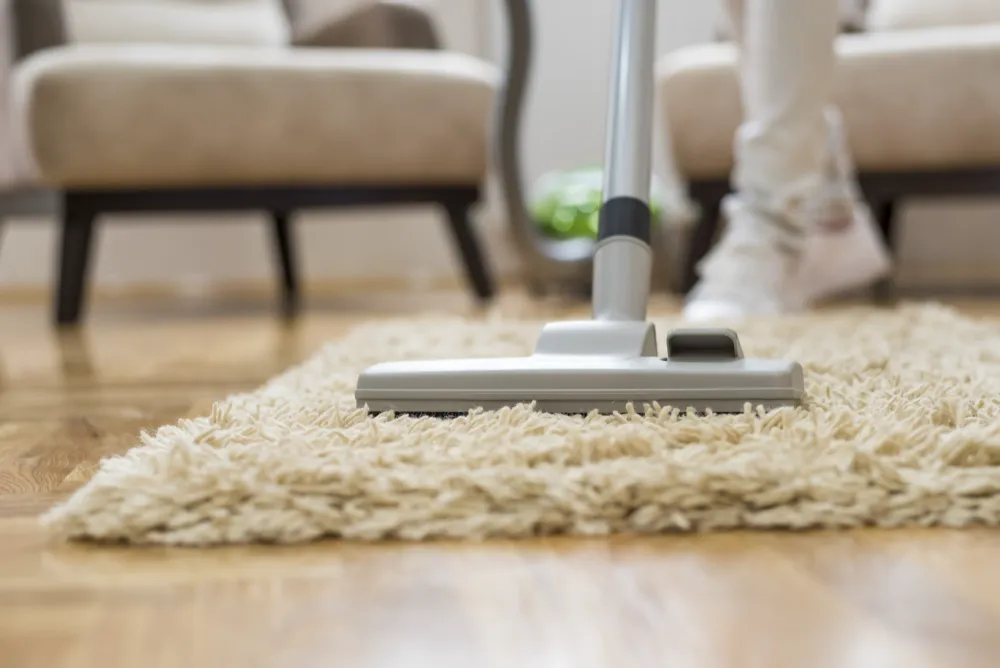
- Vacuum or sweep hard floors and carpets
- Damp-mop hard flooring where appropriate
- Spot-check high-traffic and pet areas
Reduce Dust Where It Accumulates
Manage Carpets, Rugs, and Upholstery
Soft furnishings trap dust and allergens far more readily than hard surfaces do. Washable coverings tend to be easier to maintain, though the choice ultimately involves trade-offs between comfort, appearance, and upkeep.
Keep Clutter Under Control
Fewer exposed surfaces means simpler cleaning. Store infrequently used items in closed containers, and wash decorative textiles and stuffed items according to their care labels.
Improve Entryway Habits
Doormats, removing outdoor footwear indoors, and regularly cleaning entry areas all help cut down on the soil and outdoor material tracked inside.
Address Dust Mites Through Moisture and Bedding Control
Dust mites thrive in warm, humid conditions, and their waste particles are a well-documented trigger for allergic reactions. Public-health and respiratory-health organizations generally recommend keeping indoor relative humidity control around or below 50% where practical, using ventilation, air conditioning, or a dehumidifier as needed.
For bedding, wash sheets regularly according to fabric-care instructions, using hot water when the material and equipment safely allow it. Allergen-resistant mattress and pillow encasements may also help. Keep in mind that lowering humidity doesn’t remove existing allergens outright—it simply makes conditions less favorable for mite populations to grow.
Clean More Safely When Allergies or Asthma Are a Concern
Because cleaning can temporarily stir up airborne allergens, sensitive individuals may benefit from stepping out of the room during vigorous cleaning and improving ventilation afterward. A suitable mask can help when cleaning generates substantial dust, though no mask guarantees complete protection. Always follow manufacturer instructions for cleaning equipment and products, and keep in mind that routine dust control is a different matter from the professional remediation needed for extensive contamination or water damage.
Mold Requires a Separate Response
Mold control depends on correcting the underlying moisture source, not just removing visible growth. For small areas on hard surfaces, follow public-health guidance and product labels, and never mix bleach with ammonia or other incompatible cleaners. Extensive mold, recurring water damage, or situations involving vulnerable household members warrant professional assessment.
Choose Cleaning Tools Based on the Task
Different tools suit different jobs: damp cloths for settled dust, appropriate floor tools for hard surfaces, and dedicated equipment for carpets. A high-efficiency filter may reduce the dust emitted by cleaning equipment, but its performance depends on proper filter maintenance and a good seal. Replace, wash, or empty filters and dust containers as instructed, and choose equipment based on flooring type, household size, storage space, and maintenance needs rather than assuming one option suits every home.
Practical Weekly Plan for a Lower-Dust Home
- Daily or as needed: Handle spills, visible debris, and entryway buildup
- Several times weekly: Damp-dust frequently used surfaces
- Weekly: Clean carpets, rugs, upholstery, and bedding
- Monthly: Check filters, vents, and less-accessed areas
- Seasonally: Reassess humidity, window coverings, and clutter
Key takeaway: The most effective approach combines source reduction, damp cleaning, regular floor care, and moisture control—no single step works in isolation.
Consider a household with a dog, carpeted bedrooms, and one family member sensitive to dust. That family might damp-dust daily, vacuum carpeted areas more often than a pet-free household would need to, wash bedding weekly in hot water, and keep a close eye on humidity—adjusting the general plan to fit their specific conditions.
How to Judge Whether the Routine Is Working
Watch for less visible dust, fewer tracked-in particles, reduced musty odors, and better-controlled damp areas. Persistent coughing, wheezing, or severe allergy symptoms call for guidance from a qualified healthcare professional—household cleaning is not a substitute for medical care or, when needed, a professional indoor-environment assessment.
A Cleaner Home Is a System, Not a Single Product
Reducing dust effectively means addressing entry points, using damp methods on settled particles, maintaining floors and soft furnishings, controlling humidity, and keeping equipment in good working order. Mold and moisture damage should be treated as separate issues entirely. Rather than attempting an unrealistic whole-home deep clean, start with the areas that accumulate the most dust, build a routine that fits your household, and adjust based on what you observe over time.