This post contains affiliate links. As an Amazon Associate, I earn from qualifying purchases, at no extra cost to you. See our disclosure policy.
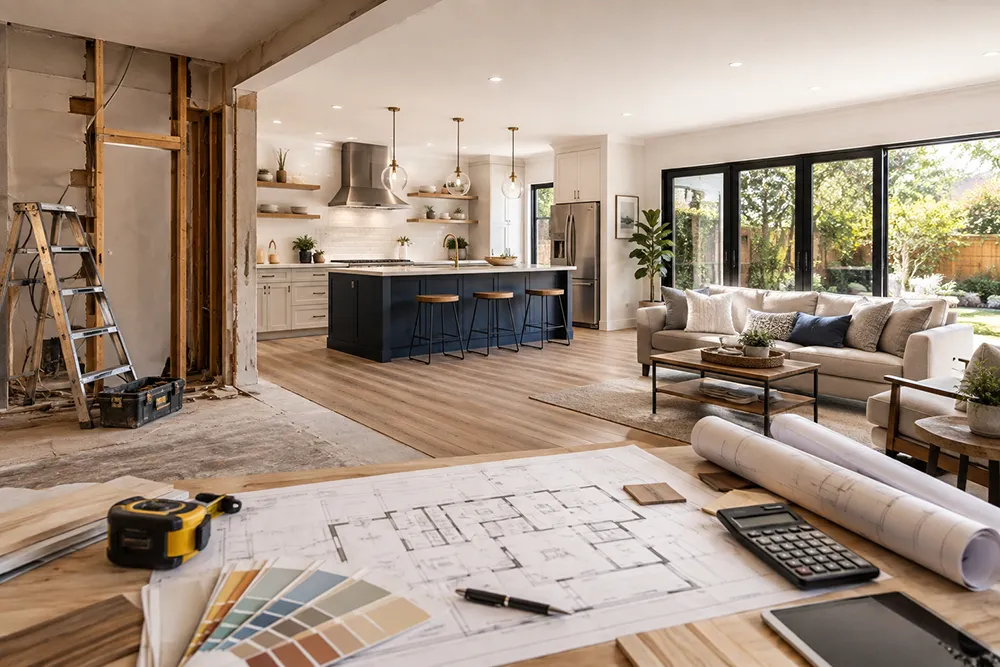
Upgrading your home is an exciting prospect. With high land prices and low unemployment, many Australian families are choosing to improve their current spaces rather than building from scratch. According to a recent 2024 KPMG report, renovations now account for more than 40 percent of the Australian residential construction market, driven heavily by limited housing supply and the desire to upgrade established locations.
Building activity in this sector has been growing rapidly across the country, from bustling urban centres to quiet coastal suburbs. However, transforming a tired property into your dream home requires careful planning. For those considering specific coastal or regional upgrades, such as Home Renovations Mornington, partnering with experts who understand local conditions is essential early on. Factors like salt air exposure and strong coastal winds must be factored into material choices. Without a solid strategy, what should be a rewarding journey can easily turn into a stressful ordeal.
Set a Realistic Budget and Expect Surprises
The first step in any successful project is establishing a clear financial framework. Too often, homeowners start knocking down walls before they have a complete picture of the final costs, leading to incomplete projects or compromised finishes. Setting boundaries early is essential for your peace of mind and long-term financial stability.
According to recent 2024 survey data from Budget Direct, 72.7 percent of surveyed Australians reported that financial issues or unexpected costs were the biggest barrier they faced during their renovations. To protect yourself from these common hurdles, it is vital to build a contingency fund of at least 15 to 20 percent into your total budget. This extra padding covers structural surprises hidden behind old plasterboard, sudden material price hikes, or any last-minute design changes you decide to make along the way. Whether it is discovering outdated wiring that needs replacing or needing extra timber for structural support, having financial breathing room is vital for keeping stress levels low.
Prioritise High-Impact Zones
When planning your project, it helps to focus on the areas of your home that will deliver the most functional value and improve your daily lifestyle. Kitchens and bathrooms are usually the top contenders. Upgrading a dated bathroom can drastically improve both your home’s energy efficiency and its overall market value.
If you are researching exactly what makes a bathroom renovation worth it, you should consider long-term factors like upgraded plumbing fixtures, improved natural lighting, and better storage solutions. Opting for water-efficient tapware and durable, slip-resistant tiling can also add substantial value to your property. Tackling these high-traffic zones first ensures that the most disruptive plumbing and electrical work is completed early in the timeline, paving the way for easier cosmetic updates later.
Understand Local Regulations and Hire the Right Team
Navigating local building regulations is a critical part of the planning process, and getting it wrong can lead to massive delays. In Victoria, any home improvement or repair exceeding $10,000 in total project value legally requires the homeowner to engage a registered building practitioner. Furthermore, for domestic building work valued over $16,000, builders must provide a current certificate of domestic building insurance before they can accept a deposit.
Coastal and regional areas often have strict additional planning overlays that can catch out unprepared homeowners. For instance, properties on the Mornington Peninsula must adhere to mandatory building height limits of 8.5 metres to preserve the traditional character of the settlements. They may also require a Coastal Hazard and Vulnerability Risk Assessment before any earth is moved. A local expert will seamlessly manage these compliance layers and ensure your build meets the latest national energy and liveability standards, saving you hours of frustrating paperwork.
Essential Steps to Keep Your Project on Track
Once the paperwork is signed and the budget is set, managing the day-to-day progress becomes your main focus. Keeping the project moving smoothly comes down to a few key strategies:
- Communicate clearly: Set up regular site meetings with your builder to address questions before they turn into expensive mistakes.
- Lock in selections early: Choose your tiles, fixtures, and appliances well before construction begins. Supply chain delays are incredibly common, and having materials on-site prevents costly hold-ups.
- Plan your living arrangements: Decide early on whether you will stay in the house or move out during construction. Living in a dusty construction zone can be taxing on your family life, so temporary relocation is often worth the extra expense.
- Prepare for the final phase: Think ahead to the post-renovation cleanup. Dust and debris will settle for weeks after the builders leave, so booking a professional cleaning service can help you transition smoothly back into your refreshed space.
Renovating your home does not have to be an overwhelming experience. By establishing a robust financial plan, focusing on practical lifestyle upgrades, and relying on experienced local professionals, you can navigate the construction process with complete confidence. Remember that unexpected challenges are par for the course in building projects, but a well-prepared homeowner can easily take them in stride. With the right preparation, clear communication, and a realistic budget, you will soon be enjoying a beautifully transformed living space that perfectly suits your family for years to come.
Frequently Asked Questions
Set aside a contingency fund of around 15 to 20 percent of your total renovation budget. This can cover hidden structural issues, material price increases, and design changes.
Kitchens and bathrooms are often the best places to start because they affect daily comfort, functionality, and property value. Completing major plumbing and electrical work early can also reduce later disruptions.
The timeline depends on the project’s size, approvals, material availability, and structural complexity. Small renovations may take several weeks, while major home transformations can take many months.
You may be able to stay during minor cosmetic work, but moving out is often more comfortable during major renovations. Dust, noise, restricted access, and temporary utility shutdowns can make daily life difficult.
In Victoria, home improvement or repair work exceeding $10,000 generally requires a registered building practitioner. Always confirm current requirements with the relevant local authority before beginning work.
Choosing tiles, fixtures, appliances, and finishes before construction begins helps prevent supply delays. It also allows your builder to confirm measurements, installation requirements, and final costs.
Coastal properties may be subject to planning overlays, building-height restrictions, environmental assessments, and additional material requirements. A local renovation professional can identify the approvals needed for your property.
Finalise design decisions early, maintain regular communication with your builder, and order long-lead materials in advance. Promptly answering questions and approving changes can also prevent unnecessary delays.
The contract should clearly outline the scope of work, payment schedule, estimated timeline, materials, warranties, insurance, and procedures for variations. Review every detail before signing or paying a deposit.
Create a realistic budget, establish a clear timeline, hire qualified professionals, and prepare for unexpected issues. Regular site meetings and organised documentation will help you stay informed and in control.