Some of the most meaningful changes in life are small ones. A morning gratitude practice. A handwritten note to a friend. A cup of tea enjoyed slowly instead of gulped on the way out the door. Our homes work the same way. You don’t need a full renovation to make a space feel warmer, brighter and more like you. Sometimes all it takes is something soft beneath your feet.
Rugs are one of the most underrated tools for creating a home that feels peaceful and intentional. They ground a room, add color and texture, absorb noise, and can even bounce light around a space that feels a little dim. Best of all, choosing and placing a rug is a weekend-friendly project that needs no tools, no contractor and no demolition.
In this guide, we’re exploring how to choose the right rug for different corners of your home, from the living room where you gather to the kitchen where you nourish the people you love. You’ll find sizing charts, a material comparison, color tips for brightening darker rooms, and a few simple DIY ideas to help your rugs look and last their best.
Why the Right Rug Changes the Feeling of a Space
Think about walking barefoot across a cold tile floor on a winter morning, then stepping onto a plush, cozy rug. The difference isn’t just physical; it’s emotional. Soft textures signal safety and rest. That’s why designers often call rugs the “foundation” of a room. Before you choose paint, pillows or artwork, the rug sets the tone.
A well-chosen rug can:
- Define a space within an open floor plan, creating a reading nook, a dining zone or a conversation area.
- Bring warmth to hard surfaces like hardwood, laminate, tile and concrete.
- Soften sound, making busy homes feel quieter and more serene.
- Tie a color story together by echoing tones from your furniture, curtains and art.
- Brighten a room when you choose lighter tones that reflect natural and artificial light.
- Reflect your personality, whether that’s bohemian, classic, minimalist or somewhere in between.
If you’re ready to start exploring, browsing a wide collection of area rugs is a great way to discover which colors, patterns and textures make your heart feel at home.
Start With How You Want to Feel
Before thinking about size or material, ask yourself a simple question: How do I want to feel in this room? When you let emotion guide the first decision, the practical details become much easier to sort out.
| If you want the room to feel… | Look for these colors | Try these textures and patterns |
|---|---|---|
| Calm and restful (bedrooms, reading rooms) | Soft ivory, oatmeal, pale gray, dusty blue | Plush pile, gentle tone-on-tone patterns |
| Bright and airy (small or north-facing rooms) | Cream, light beige, soft white with subtle flecks | Low pile, light-reflecting wool or a fine weave |
| Energizing and joyful (living and play spaces) | Terracotta, mustard yellow, coral, vintage reds | Bold vintage-inspired or geometric designs |
| Grounded and cozy (dens and reading corners) | Earthy greens, deep blues, warm browns | Natural fibers, chunky weaves, layered textures |
| Fresh and practical (kitchens and entries) | Mid-tone neutrals, blues, multicolor patterns | Flat weaves, washable designs, busy patterns that hide crumbs |
How a Rug Can Literally Brighten a Room
Here at Shine Your Light, we love any project that helps a home feel lighter and more open. A rug covers a large share of your floor, so its color has a real effect on how much light a room reflects. Dark wood floors and deep-toned carpet absorb light, while a pale rug acts almost like a reflector, bouncing daylight up onto walls and furniture.
A few ways to use that effect:
- Go lighter in dim rooms. North-facing rooms, basements and hallways benefit most from cream, ivory or soft gray rugs.
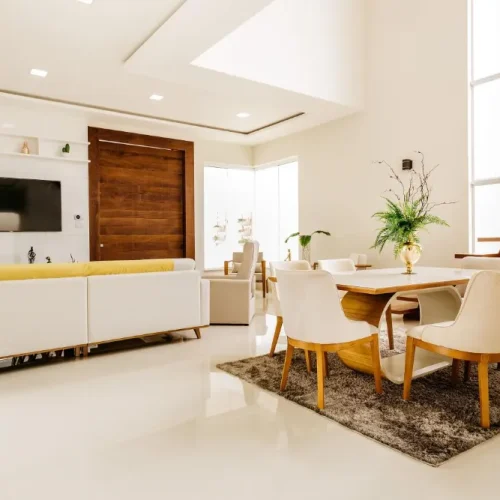
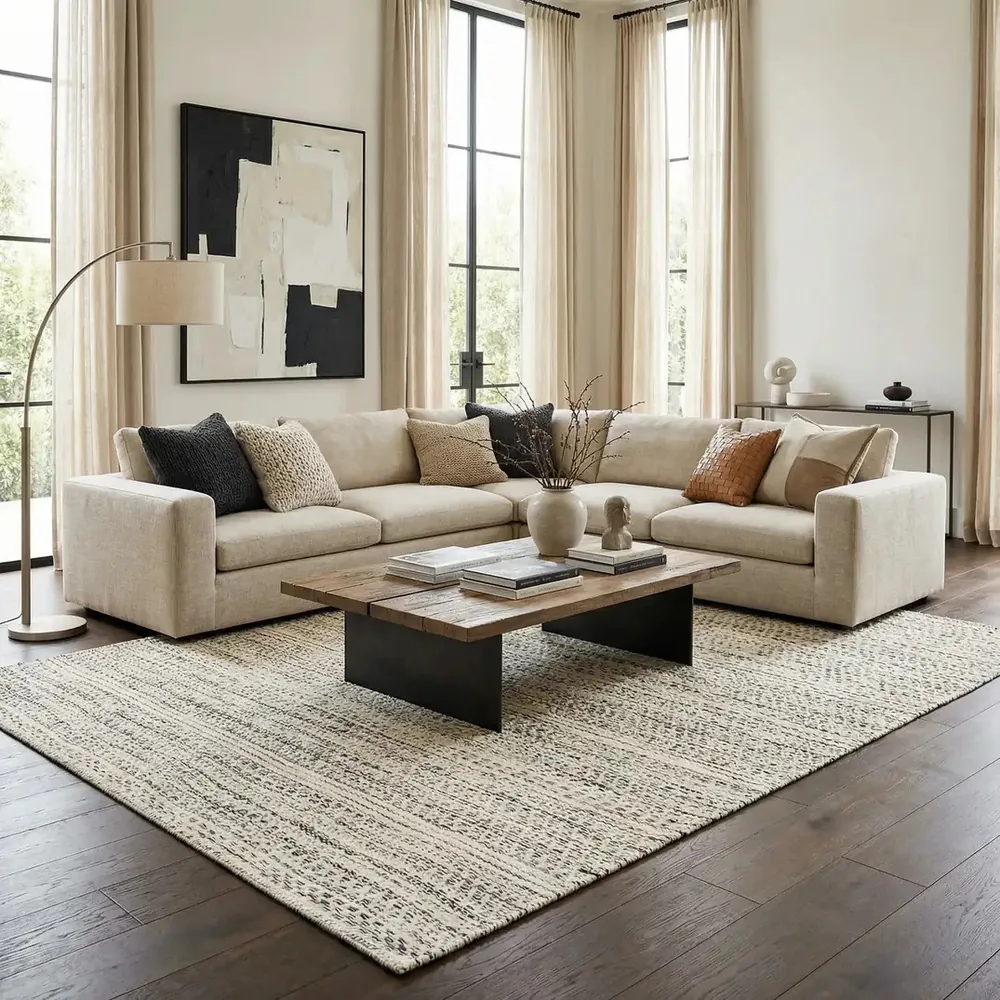
- Pick a subtle pattern instead of a solid. A light rug with flecks or a tonal stripe, like the one in the photo above, brightens the floor while still hiding everyday dust and footprints.
- Balance dark floors. If you have espresso-stained hardwood, a light rug creates contrast that makes the whole room feel larger.
- Echo your window treatments. Pairing a pale rug with sheer linen curtains keeps the eye moving toward the light source.
- Mind the sun. Rooms with strong direct sunlight can fade some dyes over time, so rotate rugs regularly and consider sheer curtains or UV-filtering window film.
If you’re working with a lower-level space, our guide to DIY ways to make a basement feel brighter pairs perfectly with a light, cheerful rug. And for rooms that already have plenty of glass, these tips on styling a home with large windows and natural light will help you make the most of every sunbeam.
Bringing Comfort Into the Kitchen
The kitchen is so much more than a place to cook. It’s where we share coffee and conversation, help kids with homework, bake birthday cakes and wash dishes while catching up on the day. Yet it’s often the room with the hardest, coldest floors.
Adding kitchen rugs is one of the simplest ways to make this hardworking space feel more welcoming. A runner along the counter or a small rug in front of the sink offers cushioning while you stand and prep meals, and it adds a pop of color that can lift the mood of the whole room.
Tips for Choosing a Kitchen Rug
- Prioritize easy care. Kitchens see spills, splatters and crumbs. Low-pile, flat-woven or washable designs are easiest to keep clean.
- Choose the right shape. Runners work beautifully in galley kitchens and along islands, while small rectangular rugs fit nicely in front of sinks and stoves.
- Mind the clearance. Make sure cabinet doors and the dishwasher can open freely without catching the rug’s edge.
- Use a non-slip pad. Safety matters in a room with water and hot pans. A good rug pad keeps everything firmly in place.
- Play with pattern. Patterned rugs hide everyday stains far better than solids, and they add personality to a space dominated by cabinets and appliances.
Common Kitchen Rug Sizes
| Kitchen spot | Typical rug size | Why it works |
|---|---|---|
| In front of the sink | 2′ x 3′ or 2′ x 4′ | Cushions your feet during dishwashing without crowding cabinets |
| Galley kitchen | 2′ x 8′ to 2’6″ x 10′ runner | Covers the main walkway between counters |
| Along an island | Runner about 2 feet shorter than the island | Leaves a little floor showing at each end for a tailored look |
| Eat-in kitchen table | Large enough to extend about 24″ past the table | Keeps chairs on the rug when they’re pulled out |
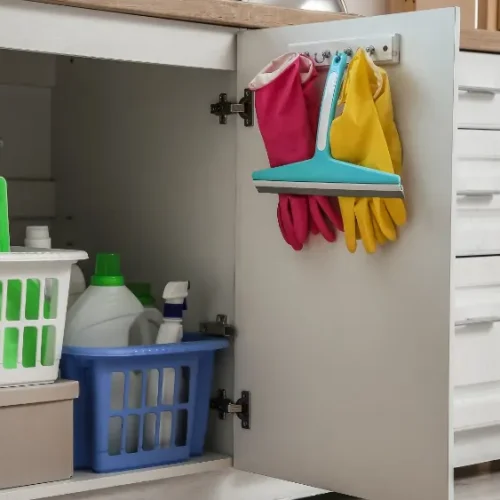
While you’re refreshing the kitchen, take a peek under the cabinets too. Our step-by-step post on how to organize under your kitchen sink is a great companion project for a weekend kitchen refresh.
The Timeless Beauty of Natural Fibers
If you’re drawn to slow living and natural materials, you’ll appreciate the quiet luxury of wool rugs. Wool has been used for rugs for centuries, and for good reason. It’s one of the most durable, resilient and comfortable fibers available.
Here’s why so many people fall in love with wool:
- It’s naturally soft and warm, making it perfect for bedrooms, living rooms and anywhere you love to sit on the floor.
- It’s resilient. Wool fibers bounce back after being compressed, so furniture dents and footprints fade over time.
- It resists stains and dirt thanks to a natural protective coating on the fibers, which helps spills bead up instead of soaking in right away.
- It’s a renewable resource, which matters to those of us trying to make more mindful choices for our homes.
- It ages gracefully. A quality wool rug can last for many years and often looks even more beautiful as it softens with time.
Wool rugs do appreciate a little care: regular vacuuming (without a beater bar on delicate pieces), prompt blotting of spills, and occasional professional cleaning will keep them looking their best for years.
Rug Materials at a Glance
| Material | Feel | Durability | Best rooms | Care level |
|---|---|---|---|---|
| Wool | Soft, warm, springy | Excellent | Living rooms, bedrooms, dining rooms | Moderate |
| Cotton | Soft, lightweight | Good | Kitchens, bathrooms, kids’ rooms | Easy (many are washable) |
| Jute and sisal | Textured, natural | Very good in dry areas | Living rooms, entries, layering bases | Moderate (keep dry) |
| Polypropylene and polyester | Smooth, varies by weave | Very good | Kitchens, high-traffic zones, homes with pets | Easy |
| Washable blends | Low pile, flexible | Good | Kitchens, entries, family rooms | Very easy (machine washable) |
Getting the Size Right
A rug that’s too small is one of the most common decorating mistakes, and it can make a room feel disjointed. Use this chart as a starting point, then measure your own space before buying.
| Room | Common rug sizes | Placement guideline |
|---|---|---|
| Living room | 8′ x 10′ (average rooms), 9′ x 12′ (larger rooms) | At least the front legs of all seating pieces rest on the rug |
| Bedroom (queen) | 8′ x 10′ | Extends 18 to 24 inches beyond the sides of the bed |
| Bedroom (king) | 9′ x 12′ | Extends 18 to 24 inches beyond the sides of the bed |
| Dining room | 8′ x 10′ or larger | Extends at least 24 inches beyond the table on all sides |
| Entryway | 3′ x 5′ or a 2’6″ x 8′ runner | Durable piece that catches dirt and sets a warm first impression |
| Hallway | Runner 2’6″ wide, length to fit | Leave 4 to 6 inches of floor visible on each side |
A Simple DIY Trick Before You Buy
Not sure which size to order? Grab a roll of painter’s tape and outline the rug’s dimensions right on your floor. Live with the taped shape for a day or two, walking around it, pulling out chairs and opening doors. It’s a free, five-minute project that prevents the most expensive rug mistake of all: buying the wrong size.
Layering for Depth and Coziness
One of my favorite ways to add warmth to a room is layering. Place a smaller patterned rug on top of a larger neutral one, or combine a natural jute base with a softer, colorful rug on top. Layering adds dimension, lets you play with texture, and makes it easy to refresh a room seasonally without replacing everything.
- Start with a neutral base. A large jute, sisal or flat-woven rug provides texture without competing for attention.
- Add a smaller top layer. Choose a rug roughly two-thirds the size of the base so a generous border of the bottom rug shows.
- Contrast the textures. Pair flat with plush, or rough with soft, so each layer stands out.
- Swap with the seasons. Keep the base year-round and rotate a light cotton top layer in spring and a cozy wool one in fall and winter.
- Secure both layers. Use rug tape or a thin pad between them to prevent slipping and bunching.
Layering is also one of the easiest ways to make a room feel high-end on a budget. For more ideas along those lines, see our post on how to transform any room into a luxury space.
Caring for Your Rugs, Caring for Your Home
Caring for our homes can be a quiet act of self-care. A few simple habits will keep your rugs fresh and beautiful:
| How often | Care task |
|---|---|
| Weekly | Vacuum, especially in high-traffic areas |
| As it happens | Blot spills gently with a clean cloth, working from the outside in; never rub |
| Every 3 to 6 months | Rotate rugs to encourage even wear and fading |
| Seasonally | Shake out or wash smaller rugs as recommended on the care label |
| Every 12 to 18 months | Consider professional cleaning for wool and larger area rugs |
Easy DIY Fixes for Everyday Rug Problems
- Curling corners: Roll the corner in the opposite direction for a few hours, or apply double-sided rug gripper tape underneath.
- Furniture dents: Place an ice cube in the dent, let it melt, then fluff the fibers with your fingers or a soft brush.
- Sliding rugs: Add a non-slip rug pad cut slightly smaller than the rug so the edges lie flat.
- Loose threads: Snip them level with the pile using sharp scissors. Never pull them, which can unravel the weave.
- Musty smells: Sprinkle baking soda over a dry rug, let it sit for several hours, then vacuum thoroughly.
Frequently Asked Questions
What color rug makes a room look brighter?
Light neutrals like cream, ivory, light beige and soft gray reflect the most light and make a room feel larger. A pale rug with a subtle pattern or flecks offers the same brightening effect while doing a better job of hiding everyday dirt.
What size rug should I get for my living room?
For most average living rooms, an 8′ x 10′ rug works well. The goal is for at least the front legs of your sofa and chairs to sit on the rug, which visually connects the seating area.
Are wool rugs a good choice for homes with kids and pets?
Yes. Wool is naturally resilient and stain-resistant, so it handles everyday traffic well. Blot spills quickly and vacuum regularly. For areas with frequent messes, like kitchens or mudrooms, a washable or flat-woven rug may be even easier to maintain.
Do I need a rug pad?
A rug pad is strongly recommended. It prevents slipping, adds cushioning, protects your floors from scratches and helps your rug last longer by reducing friction.
Final Thoughts
Your home should be a place that restores you, a soft landing at the end of a long day. Choosing the right rug is a small but powerful way to bring more comfort, color and light into your everyday life. Whether it’s a cheerful runner in the kitchen, a timeless wool piece in the bedroom, or a light-toned statement rug that brightens your living room, let your choices reflect the warmth you want to feel and share with others.
After all, a home that feels good to come back to is one of life’s quiet blessings.