This post contains affiliate links. As an Amazon Associate, I earn from qualifying purchases, at no extra cost to you. See our disclosure policy.

Your home’s exterior does a lot more than sit there looking pretty. It stands up to Chattanooga’s hot, humid summers, heavy rainstorms, strong winds, and the occasional winter cold snap. Day after day, your siding acts as a protective shield, helping keep moisture out and indoor temperatures comfortable. But even the toughest materials can only handle so much. Over time, exposure to Tennessee’s changing weather can leave siding looking worn, damaged, or less effective than it once was. If your home has started showing signs of age, it may be time to take a closer look. Here’s how to tell whether your siding needs a simple repair or if a more significant update is the smarter long-term solution.
Why Siding Matters
Siding is like your home’s jacket. It helps protect what’s inside, keeps your place more comfortable, and plays a big role in how your house looks from the street. When it’s in good shape, you probably don’t think about it much. That’s kind of the point.
Once it starts failing, though, the problems can spread. Water can sneak in. Drafts can make rooms feel less cozy. Your energy bills may creep up without much warning. For residents of Chattanooga siding replacement is a convenient option for improving curb appeal, increasing energy efficiency, and protecting their homes from long-term weather-related damage.
Good siding isn’t just about appearances. It helps your home stay sturdy, efficient, and easier to maintain. So if your exterior has been sending you distress signals, it’s smart to listen before a small issue turns into a wallet-draining surprise.
Visible Warning Signs
Some siding problems are easy to spot during a simple walk around your house. You don’t need fancy tools or superhero vision. Just take a slow look and pay attention to anything that seems off.
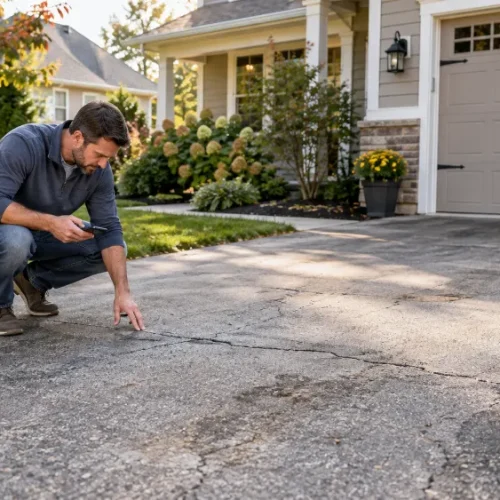
Cracks, chips, and holes are obvious red flags. Warped boards or panels that look bent can also mean your siding is no longer holding up well. If you see bubbling, peeling, or paint that won’t stay put, moisture may be getting where it shouldn’t.
Fading is another clue. A little age is normal, but severe fading can mean the siding is wearing out and losing its protective layer. Loose pieces are a problem too, especially after storms or windy weather.
Watch for these common signs:
- Cracks or splits
- Warping or sagging
- Loose or missing panels
- Bubbling or blistering
- Heavy fading or uneven color
If your siding looks patchy and tired from several angles, your home may be asking for more than a cosmetic fix.
Hidden Trouble Spots
Not every siding problem shouts for attention. Some issues stay sneaky for a while, which is rude, honestly. Your house may look mostly fine from the front while trouble is building underneath.
One clue is moisture inside the home. You might notice moldy smells, damp spots near walls, or peeling paint indoors. Drafts are another sign. If certain rooms feel chilly in winter or too warm in summer, damaged siding may be letting outside air slip in.
Higher energy bills can point to the same issue. When siding stops doing its job, your heating and cooling system has to work harder. That means less comfort and more money leaving your pocket.
You should also keep an eye out for:
- Mold or mildew near seams
- Soft spots around exterior walls
- Insects showing up near damaged areas
- Rot around trim or corners
These signs don’t always mean full replacement is needed, but they do mean it’s worth taking a closer look. Hidden damage rarely fixes itself out of kindness.
Repair Or Replace
This is the big question. Sometimes a small repair is enough. Other times, replacing the siding makes more sense and saves you stress later.
If the damage is limited to one small area, a repair may do the trick. That’s especially true if your siding is fairly new and the rest of it still looks strong. But if you keep patching the same kinds of problems over and over, replacement may be the smarter move.
Age matters too. Older siding tends to break down in more places at once. And if the color is badly faded or matching repairs is nearly impossible, your house can start to look like it got dressed in the dark.
Think about replacement when:
- Repairs keep adding up
- Damage shows up in several spots
- Moisture problems are becoming common
- The siding is near the end of its lifespan
- You want better curb appeal and efficiency
A full replacement costs more upfront, but it can offer better value if your current siding is clearly past its prime.
Choosing A New Look
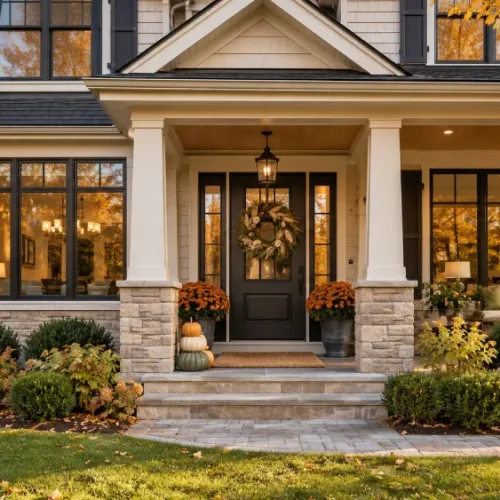
If you do decide to replace your siding, this is the fun part. You get to think about how you want your home to look and feel. New siding can completely change the vibe of a house without changing its basic shape.
Start with the style of your home. A classic house often looks great in soft, timeless colors. A more modern home can handle bolder shades or cleaner lines. You’ll also want to think about what fits your neighborhood without making your place disappear into the background.
Material matters too. Some homeowners want low maintenance. Others care most about texture, color choices, or durability. Try to balance looks with what works best for your climate and daily life.
A few things to consider:
- Color that works with your roof and trim
- Material that fits your maintenance goals
- Style that matches the home’s character
- Finish that still looks good years later
The best choice is usually one that feels fresh, practical, and easy to live with. Trendy is fun, but timeless often ages better.
Planning The Project
A siding project feels much easier when you plan ahead. You don’t need to have every detail figured out on day one, but a little prep can keep the whole process from becoming a headache with a hammer.
Start with a rough budget. Include materials, labor, cleanup, and a little extra for surprises. Homes love surprises, just not the fun kind. Then think about timing. Dry seasons are usually easier for exterior work, though schedules can fill up fast.
Before work begins, clear outdoor furniture, move anything delicate away from the walls, and make sure contractors have easy access to the work area. It also helps to ask a few smart questions before hiring anyone.
Ask about:
- Project timeline
- Cleanup plan
- Material options
- Warranty details
- How hidden damage is handled
When you know what to expect, the project feels much more manageable. And once it’s done, you get a home that looks better, feels stronger, and is ready to face the weather without flinching.