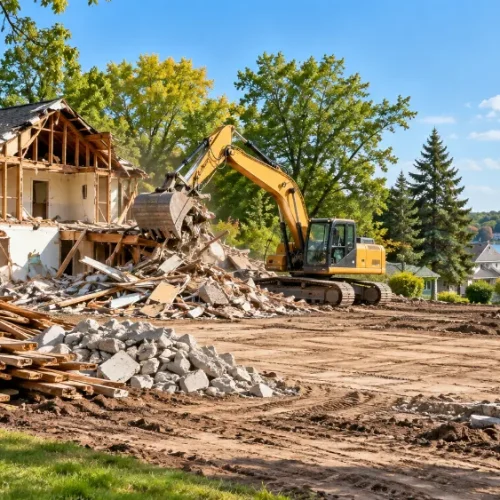
Disaster recovery is overwhelming. Cleanup moves fast, insurance conversations drag on, and decisions pile up quickly. Once the immediate damage is handled, a bigger question comes into focus. Should you restore everything the way it was, or take this opportunity to make meaningful upgrades?
Storm activity has become a serious concern for homeowners in Cleveland. The National Weather Service Cleveland office documented multiple significant severe weather events in 2023, including damaging straight-line winds and heavy rainfall that triggered flash flooding and residential impacts across northern Ohio. Patterns like that make the risk feel immediate rather than occasional. Rebuilding gives you control at a time that often feels uncertain.
Start With a Post-Disaster Home Assessment Plan
Clear planning sets the tone for a strong rebuild. Damage that looks cosmetic may hide structural concerns, lingering moisture, or electrical risks. A detailed inspection by licensed professionals provides clarity before construction begins.
Structural engineers, electricians, HVAC technicians, and restoration experts each bring valuable insight. Their evaluations help identify compromised framing, weakened roofing components, and ventilation issues that may not be obvious during a quick walkthrough. Documenting everything matters. A written repair and upgrade plan helps prioritize improvements that increase resilience instead of simply restoring previous materials.
Strengthen HVAC Systems for Reliability and Protection
Heating and cooling systems often suffer silent damage during storms and flooding. Water exposure, electrical surges, and debris can reduce efficiency without causing immediate failure. Weeks later, homeowners notice uneven temperatures or higher utility bills.
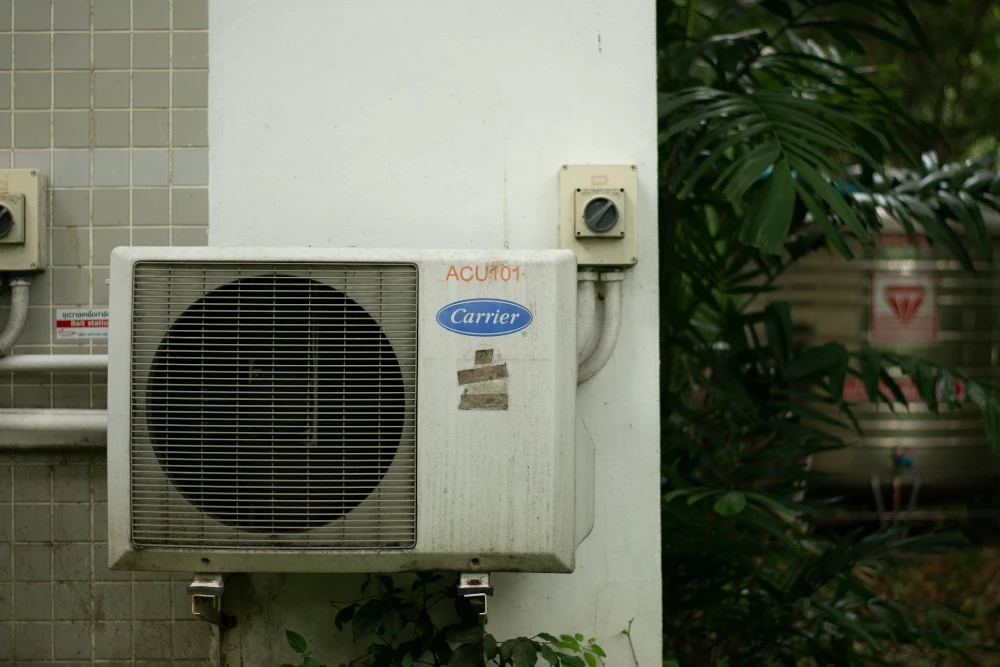
Rebuilding offers the right moment to upgrade key components. Elevating outdoor units above potential flood levels reduces future risk. Installing surge protection shields, compressors and control boards from electrical spikes. Sealing ductwork improves airflow and prevents contamination after water intrusion. If you’re a homeowner in Cleveland emergency HVAC services provided by a reputable company can help restore comfort quickly while preventing further damage to your home. Quick professional assessment ensures compromised wiring, damp insulation, and airflow restrictions are addressed before they escalate. A resilient HVAC system supports comfort, health, and long-term efficiency.
Upgrade Electrical Panels and Install Whole-Home Surge Protection
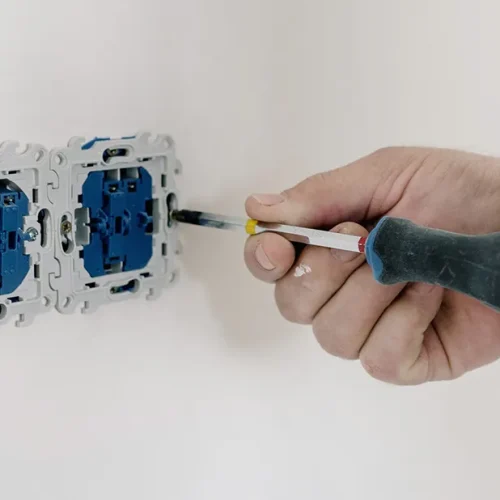
Electrical systems take a direct hit during severe weather. Power surges damage appliances, short-circuit wiring, and create fire hazards. Older panels may struggle to handle modern energy demands, especially once new smart devices or backup systems are installed.
Upgrading to a higher-capacity panel increases safety and prepares your home for future additions. Modern breaker systems respond more effectively to overloads, reducing risk during sudden voltage spikes. Whole-home surge protectors add another layer of defense. They shield major appliances, HVAC systems, and smart home hubs from sudden electrical fluctuations. Protection at the panel level offers broader coverage than relying on individual outlet strips.
Install Smart Leak Detection and Water Shutoff Systems
Water damage spreads quietly and quickly. A small pipe crack behind a wall can saturate insulation and drywall before visible signs appear. Smart leak detection systems monitor high-risk areas such as under sinks, near washing machines, and around water heaters. When moisture is detected, homeowners receive immediate alerts on their phones. Some systems automatically shut off the water supply, limiting damage before it becomes extensive.
Automatic shutoff valves provide peace of mind during vacations or extended absences. A single notification allows you to act quickly, even when you are not home. Early detection reduces repair costs and protects structural components. It also helps prevent mold growth, which can complicate recovery long after initial cleanup.
Reinforce Roofing, Windows, and Exterior Materials
Exterior protection determines how well your home handles severe weather. Roofing materials rated for higher wind resistance reduce the likelihood of shingle loss during storms. Impact-resistant options also offer protection against hail damage.
Upgraded windows with reinforced glass lower the risk of breakage from flying debris. Improved seals increase energy efficiency throughout the year, which adds daily value beyond storm protection. Garage doors often go overlooked. Reinforced models prevent structural pressure imbalances during high-wind events, which protects walls and roofing systems.
Add Backup Power Solutions for Continuity
Power outages often follow severe storms. Heating systems shut down, refrigerators stop running, and security systems lose connectivity. Even short outages create stress, especially when temperatures are extreme.
A standby generator offers immediate backup power when the grid goes down. Automatic transfer switches activate within seconds, keeping essential systems running without manual setup. Refrigeration, medical devices, sump pumps, and HVAC systems continue operating with minimal interruption. Battery storage systems paired with solar panels provide another dependable option. Stored energy can power critical circuits while reducing reliance on fuel.
Integrate Smart Security and Monitoring Systems
Security concerns increase after disasters. Homes under repair may have temporary openings, contractors moving in and out, and extended periods without full occupancy. Smart security systems allow real-time monitoring through connected cameras and motion sensors. Live alerts notify you of unusual activity immediately. Cloud storage preserves footage even if physical equipment is damaged.
Door and window sensors provide added awareness. Temperature and smoke detectors integrated into a central system create a broader safety network. Instant notifications give homeowners the ability to respond quickly when conditions change.
Improve Drainage and Foundation Protection
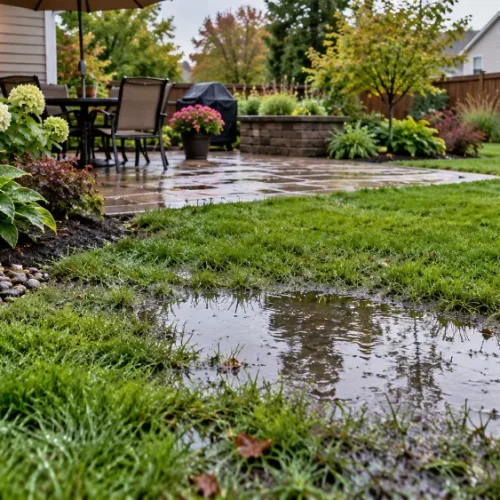
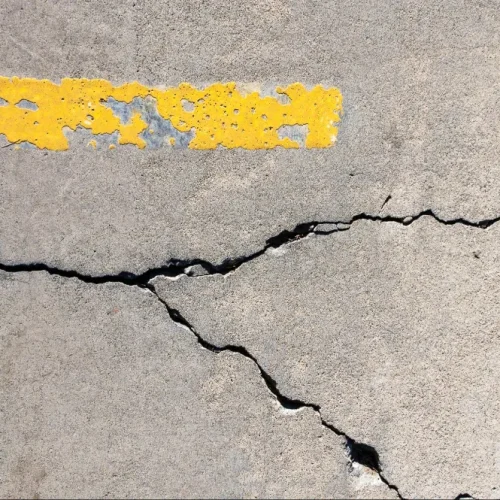
Water often causes the most expensive damage. Poor drainage around the home increases the likelihood of foundation cracks and basement flooding. Upgrading gutters and downspouts improves water flow away from the structure. Extending downspout discharge points prevents pooling near the foundation. Yard grading adjustments direct rainfall away from vulnerable areas.
Sump pumps with battery backups add another safeguard. Even during power outages, excess water can be removed before it accumulates. Installing a water-powered backup system provides additional reassurance. Foundation sealing and waterproof coatings create a final protective layer. Reinforcing exterior water management reduces the chance of repeat interior damage.
Rebuilding after a disaster brings frustration and fatigue. Still, it also presents a rare opportunity. Restoring a home to its previous condition may feel like closure, yet thoughtful upgrades create lasting protection.
Stronger HVAC systems improve comfort and resilience. Modern electrical panels and surge protection guard critical equipment. Smart leak detection limits water damage before it spreads. Reinforced roofing and windows reduce structural vulnerability. Backup power solutions keep daily life steady when outages strike. Improved drainage and foundation protection defend against recurring issues. Each upgrade contributes to a more stable, efficient home. Taken together, they shift recovery into preparation.