Olympia homeowners deal with weather that slowly wears down a home’s exterior year after year. Long rainy seasons, damp air, moss growth, and clogged drainage systems create problems that often stay hidden until repairs become expensive. Many people focus on cosmetic upgrades because they are easy to notice, but surface-level improvements rarely protect a home.
A fresh coat of paint may improve curb appeal for a while, but buyers and homeowners pay closer attention to durability, maintenance costs, energy efficiency, and moisture protection. Those are the things that affect how well a home holds up over time.
The smartest exterior upgrades solve real problems before they grow. Good roofing, proper drainage, quality siding, ventilation, and regular maintenance all help preserve a home’s condition. When these areas work together, homeowners spend less on repairs and protect the value of their property much more effectively.
Roofing Choices That Hold Up Over Time
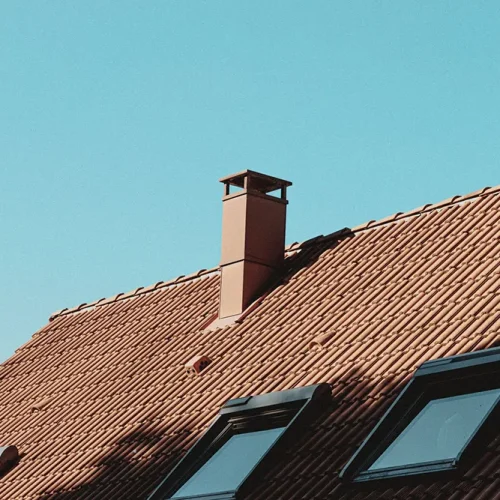
A roof has a major impact on how well a home ages, especially in areas where moisture stays around for much of the year. Cheap materials or rushed installation usually create problems earlier than homeowners expect. Small leaks, poor ventilation, and damaged flashing often start quietly and spread into insulation, attic spaces, and wall structures.
Long-term value comes from choosing roofing materials that fit the local climate and installing them correctly the first time. Architectural shingles remain popular because they handle wet conditions well and last longer than basic three-tab shingles. Metal roofing also attracts homeowners who want durability with less maintenance.
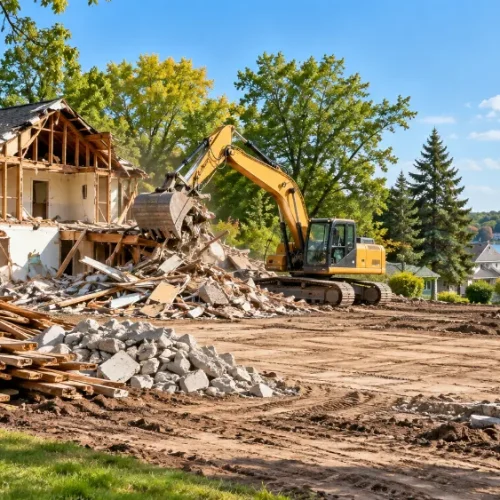
Many homeowners considering roof replacement in Olympia focus only on appearance or cost. A better approach is to think about lifespan, ventilation, drainage, and warranty coverage together before making a decision.
Siding That Stays Strong Through Wet Seasons
Siding protects much more than a home’s appearance. It acts as a barrier against moisture, wind, and temperature changes. In Olympia, siding faces constant exposure to damp conditions, so material quality matters more than many homeowners realize.
Wood siding can look attractive, but it usually needs regular upkeep to prevent rot, swelling, and peeling paint. Fiber cement and engineered wood products have become more common because they handle moisture better and require less maintenance over time. Vinyl siding also works well for homeowners looking for affordability and easier care.
Many exterior problems begin when water slips behind aging or damaged siding. Homeowners may not notice the issue until mold, soft spots, or interior wall damage appear. Choosing durable siding and keeping seams properly sealed helps protect the structure of the home and reduces long-term repair expenses.
Exterior Colors That Age Gracefully
Exterior color choices affect long-term curb appeal more than people expect. Trendy colors may look exciting at first, but they often feel dated after a few years. Neutral shades and natural tones usually hold value longer because they blend better with different architectural styles and landscaping.
The local weather also affects how paint and finishes age over time. Constant moisture, cloudy conditions, and seasonal debris can make some colors fade or look dirty faster. Lighter shades often show mildew streaks more easily, while extremely dark colors may highlight fading and surface wear sooner.
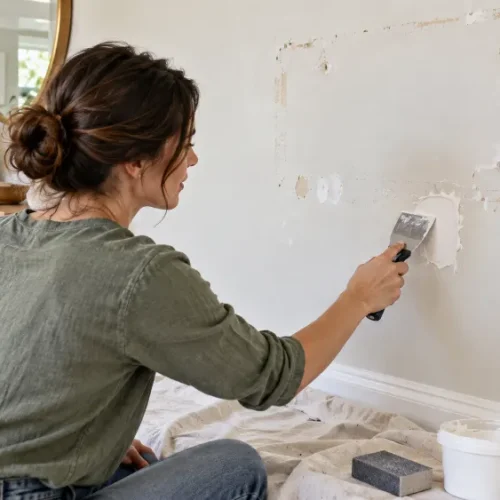
Paint quality matters just as much as color selection. High-quality exterior coatings last longer and resist moisture more effectively. Homeowners should also pay attention to trim, doors, and accents because worn details can make an otherwise well-maintained exterior look neglected. Small finish updates often improve appearance without requiring a full remodel.
Energy Upgrades Buyers Actually Notice
Energy efficiency has become a bigger factor in home value because buyers pay attention to long-term operating costs. Older homes often lose heat through poorly insulated attics, drafty windows, and outdated exterior materials. These issues make heating systems work harder during colder months and can create uneven indoor temperatures throughout the house.
Exterior improvements that improve insulation and reduce air leaks usually provide lasting value. Proper attic insulation, energy-efficient windows, and sealed exterior gaps help homes stay more comfortable year-round. Buyers also tend to appreciate homes that already have these upgrades completed because they know future maintenance costs may be lower.
Homeowners should focus on practical efficiency improvements instead of trendy technology. Reliable insulation, quality windows, and moisture control systems usually make a more noticeable difference over time than expensive features with limited everyday value.
Landscaping That Protects the Property
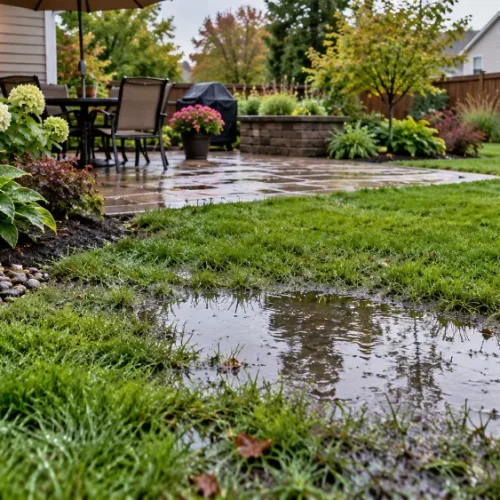
Landscaping affects more than curb appeal. Poor yard design can create drainage issues that slowly damage the exterior of a home. Soil that slopes toward the house allows water to collect near the foundation, especially during rainy months. Over time, excess moisture may affect crawl spaces, siding, and concrete surfaces.
Large trees planted too close to the home also create maintenance problems. Branches can damage roofing materials during storms, while falling debris clogs gutters and traps moisture. Moss growth becomes more common when shaded areas stay damp for long periods.
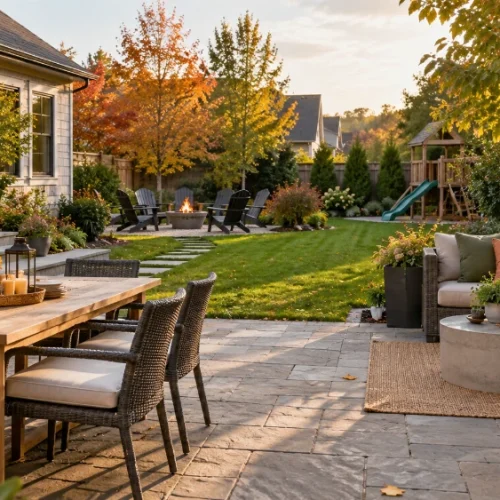
Smart landscaping choices support the home instead of creating extra work. Gravel drainage paths, properly graded soil, and low-maintenance plants often work better in wet climates. Keeping shrubs trimmed away from siding also improves airflow and helps exterior materials dry more efficiently after rain.
Small Exterior Details That Leave a Strong Impression
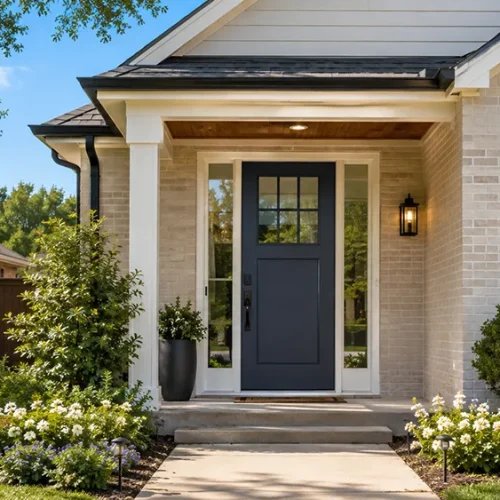
Homeowners often focus on major renovations while ignoring smaller exterior details that shape first impressions. Worn trim, outdated lighting, peeling paint around entryways, and damaged front doors can make a home feel neglected even when larger systems remain in good condition.
Simple upgrades often improve appearance without requiring major construction. Modern exterior lighting improves visibility and safety while giving the property a cleaner, updated look. Replacing old hardware, repainting trim, and updating the front door can also make the entrance feel more welcoming.
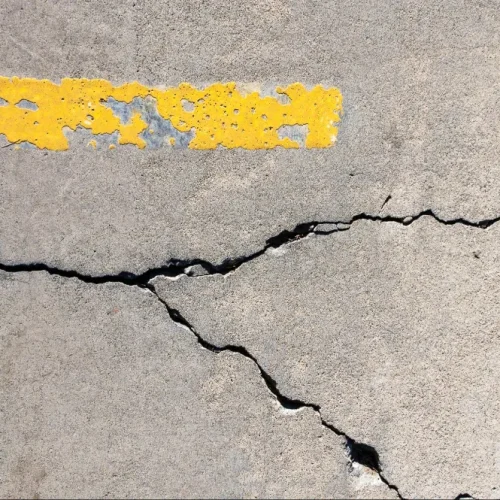
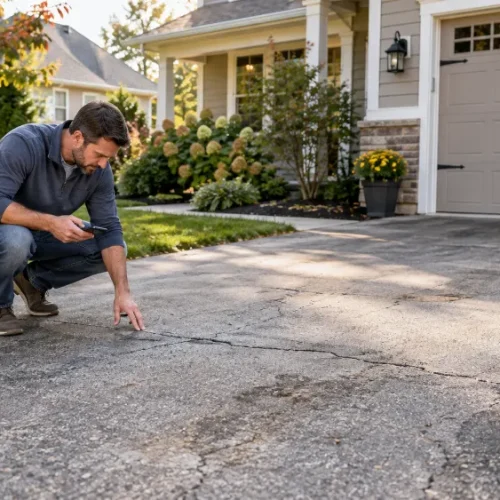
Buyers tend to notice details that suggest whether a home has been maintained consistently. Cracked walkways, rusted fixtures, and faded accents create doubts about the condition of the rest of the property. Smaller improvements help reinforce the overall quality of the home and support long-term curb appeal.
Long-term exterior value comes from making practical decisions that help a home stay durable, efficient, and easier to maintain over time. The weather plays a major role in how quickly exterior materials wear down, which makes moisture protection especially important. Roofing, siding, ventilation, drainage, insulation, and landscaping all affect how well a property holds up over the years.
Homeowners often get the best results by focusing on improvements that prevent future problems instead of chasing short-term trends. Quality materials, skilled installation, and regular maintenance usually provide stronger long-term value than cosmetic upgrades alone.
A well-maintained exterior protects more than curb appeal. It helps reduce repair costs, improves comfort, and keeps the home in better condition for future buyers. Small decisions made early often prevent much larger expenses later.