Most home decor projects start with a picture in your head: a softer paint colour in the living room, a refinished wooden floor, a feature wall, a tidy garden path. Then reality arrives. You look at the job and realise it needs a floor sander, a paint sprayer, a tile saw or a wallpaper steamer, and none of those live in your cupboard.
For a lot of DIYers, the instinct is to buy the tool. It feels like an investment. But many specialist tools get used once, maybe twice, and then spend years taking up space in a shed or a closet. Renting is often the smarter way to get a professional finish on a budget. This guide walks through which tools are worth renting, how to plan a rental weekend, and how to get the most from every hour you pay for.
Why Renting Makes Sense for Decor Projects
Decor projects tend to be short and intense. You might spend two days stripping wallpaper or one afternoon sanding a floor, and then you will not touch that tool again for years. Renting fits that pattern perfectly.
There are three big advantages. First, cost: a day’s rental of a drum floor sander usually costs a small fraction of buying one. Second, quality: rental fleets tend to stock heavier, professional-grade machines that give a better result than budget consumer versions. Third, storage: when the project is done, the tool goes back, and your home stays clutter-free, which is the whole point of a decor upgrade in the first place.
Renting also lets you try a tool before committing. If you discover you love refinishing furniture, you can buy a good sander later with confidence, knowing exactly what features matter to you.
The Tools Most Worth Renting
Floor sanders and edgers
Refinishing hardwood floors is one of the most dramatic upgrades you can make, and it is almost always a rental job. A drum or orbital sander handles the main floor area, while an edger reaches the borders and corners. Orbital sanders are more forgiving for beginners because they are less likely to gouge the wood.
Paint sprayers
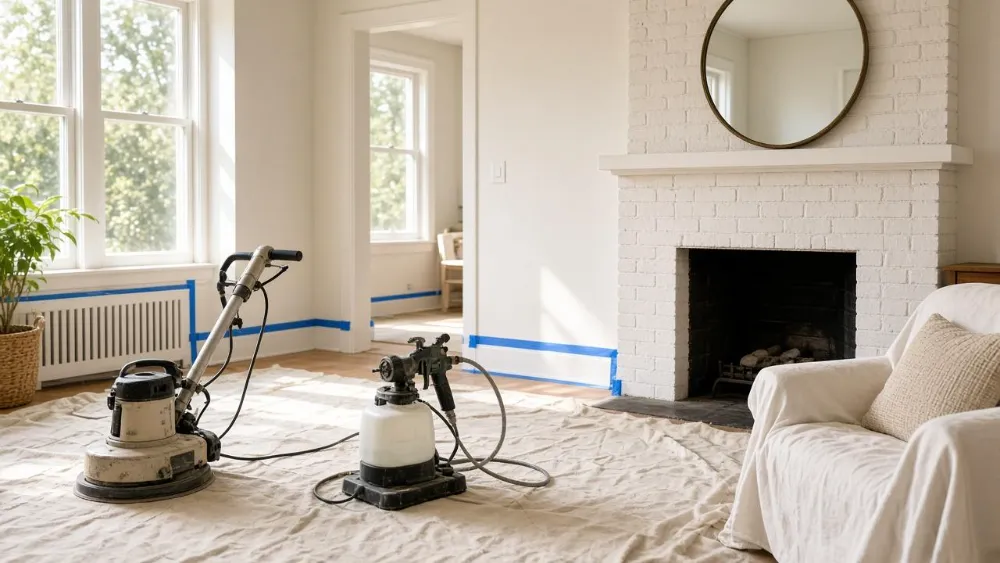
If you are painting a whole room, a fence, kitchen cabinets or a set of doors, an airless or HVLP paint sprayer can save hours and leave a smoother finish than brushes and rollers. The catch is preparation: spraying demands careful masking and drop cloths, so budget time for that before the rental clock starts.
Wallpaper steamers
Old wallpaper can be stubborn. A steamer softens the adhesive so the paper peels away without damaging the plaster underneath. It is a classic example of a tool you need for one weekend and then never again.
Tile saws
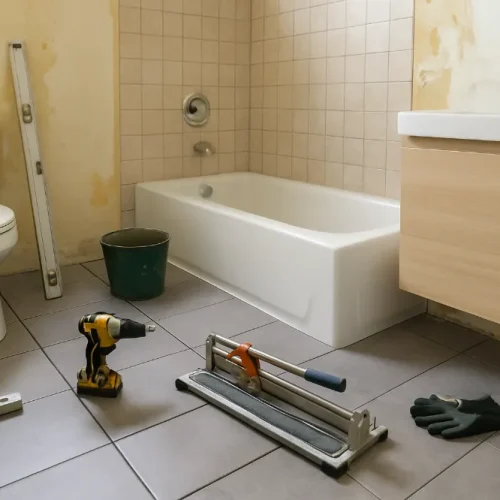
Wet tile saws give clean, straight cuts for backsplashes, bathroom floors and feature walls. Manual tile cutters are fine for simple straight cuts, but for porcelain, stone or awkward angles, renting a wet saw is worth it.
Carpet cleaners and steam cleaners
Sometimes a room refresh is less about construction and more about cleaning. A professional carpet cleaner can make an old rug or carpet look years younger, which can be the finishing touch after a repaint.
Garden and outdoor tools
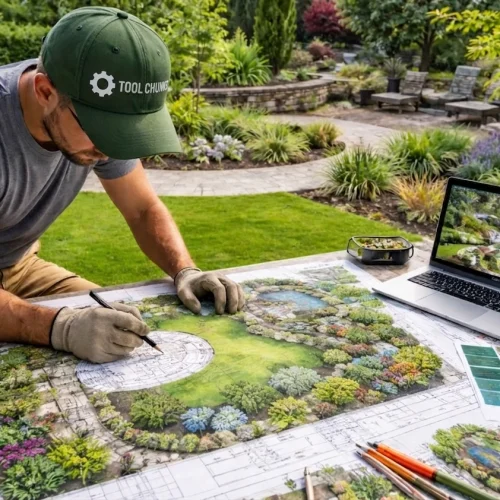
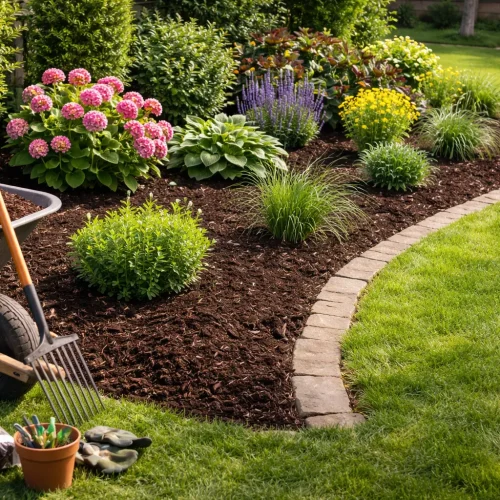
For outdoor styling, consider renting a pressure washer for patios and decking, a turf cutter for new garden beds, or a plate compactor if you are laying a small stone path.
How to Plan a Rental Weekend
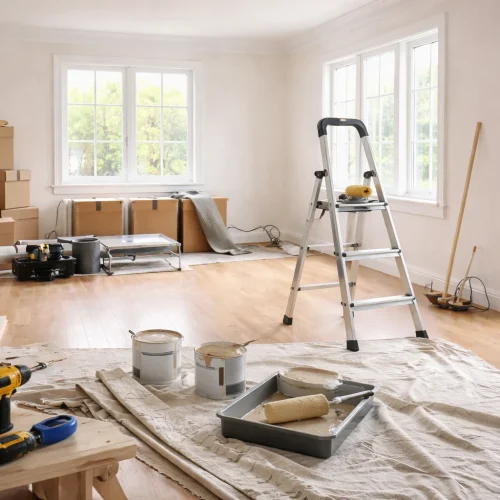
The most common rental mistake is paying for a tool while you are still moving furniture or shopping for supplies. Treat the rental period as the time to use the tool, not to prepare for it.
Before you pick anything up, clear the room, buy all your consumables (sandpaper, paint, masking tape, tile spacers), and protect anything you do not want damaged. Measure the space so you know roughly how many sheets of sandpaper or litres of paint you need. Many rental shops sell consumables too, but prices can be higher at the counter.
Check the size and weight of the tool. A drum sander can be heavy and awkward, so make sure you have the right vehicle and a second pair of hands. Ask the rental shop about delivery if you are unsure.
Finally, book early for weekends and bank holidays. Popular tools go quickly, especially in spring and early autumn when everyone starts home projects at once.
Safety Basics You Should Not Skip
Professional tools are more powerful than the consumer tools many of us are used to. Ask for a quick demonstration at the counter and read the operating guide before you start. Wear eye protection, hearing protection and a dust mask for sanding or cutting, and keep cords well away from water when using wet tools.
The OSHA guidance on hand and power tools is written for workplaces, but its core advice applies at home too: inspect the tool before use, use the right tool for the job, and never remove guards. If a rented tool looks damaged or behaves strangely, stop and call the rental shop rather than trying to fix it yourself.
Getting a Flawless Finish
Renting the right tool is only half the story. Technique and patience make the difference between a good result and a great one. Work in stages, check your progress in good light, and do not rush the final pass. If you want more detail on surface preparation, this guide on how to achieve a flawless finish in any renovation project is a helpful companion read.
A few habits help a lot. Test the tool on a hidden area first. Keep a sander moving at all times so it never sits in one spot. When spraying paint, keep the nozzle at a consistent distance and overlap each pass slightly. Clean the tool before returning it, because many shops charge cleaning fees for equipment that comes back covered in paint or grout.
How Rental Shops Are Making It Easier
Renting used to mean phoning around and hoping a tool was in stock. Today, many local rental businesses let you check availability, compare prices and reserve online, often with clear pickup times and digital agreements. Behind the scenes, a lot of them run on equipment rental software that tracks which machines are available, schedules maintenance and handles bookings and deposits, which means fewer surprises for you at the counter.
When you are choosing a rental shop, look for clear pricing (including deposits and cleaning fees), well-maintained equipment, helpful staff who will explain how to use the tool, and flexible options such as half-day or weekend rates.
A Simple Rent-or-Buy Rule
If you are unsure whether to rent or buy, ask yourself two questions. Will I use this tool more than three or four times a year? And do I have the space to store it properly? If the answer to either is no, rent it. Save your budget for the things that stay in the room: the paint colour you love, the light fitting that changes the mood, the rug that pulls everything together.
Final Thoughts
Great decor does not require a garage full of expensive tools. With a bit of planning, renting gives you access to professional equipment exactly when you need it and frees you from the cost and clutter of owning it. Choose the right tool, prepare the space before the rental starts, work safely, and you will be surprised how polished a weekend DIY project can look.