This post contains affiliate links. As an Amazon Associate, I earn from qualifying purchases, at no extra cost to you. See our disclosure policy.
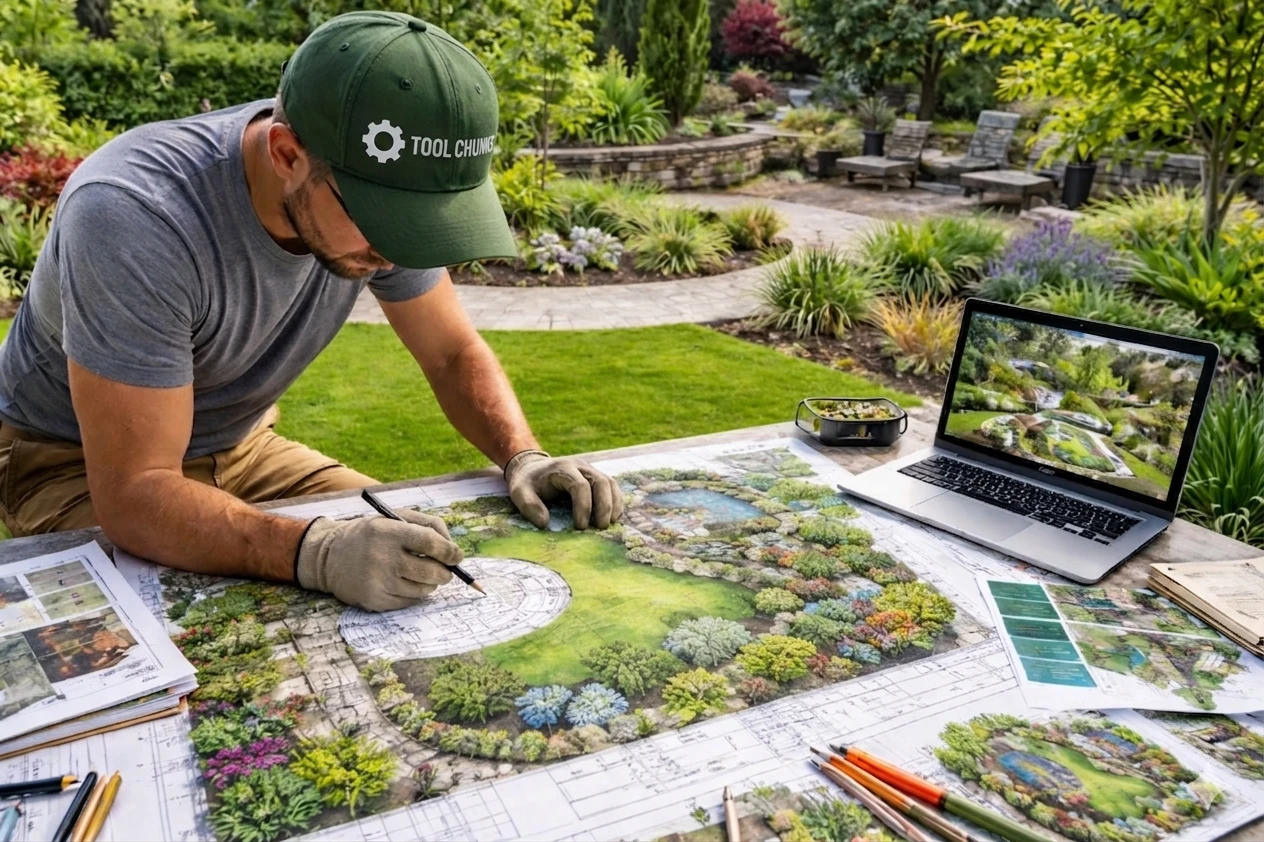
Designing a yard that looks stunning year-round without constant upkeep is a goal many homeowners share—but few achieve. Traditional landscaping often demands regular watering, pruning, mowing, and seasonal replacements, turning your outdoor space into a time-consuming chore rather than a place to relax. The good news is that with smart planning, you can transform your yard into a visually striking, low-maintenance oasis that works with nature instead of against it.
A well-thought-out landscape doesn’t just save time; it also reduces long-term costs and increases property value. Whether you’re starting from scratch or upgrading an existing yard, understanding soil requirements is critical. For instance, tools like a SoilEsto can help you determine how much soil you need for planting beds or grading, ensuring efficiency and avoiding waste. When every decision is intentional, your landscape becomes easier to manage while still delivering maximum impact.
What Makes a Landscape Low-Maintenance Yet High-Impact?
A low-maintenance yard isn’t about doing less—it’s about doing things smarter. The key lies in strategic design choices that minimize ongoing work while maximizing visual appeal.
This approach combines three essential elements:
- Efficient plant selection that thrives in your local climate
- Thoughtful layout planning to reduce unnecessary upkeep
- Durable materials that maintain their appearance over time
Instead of relying heavily on lawns and high-maintenance plants, smart landscaping emphasizes structure, texture, and balance. By blending greenery with hardscape features like patios and pathways, you create a dynamic space that requires less attention but still feels vibrant and complete.
Step-by-Step Yard Planning Strategies
1. Assess Your Space and Needs
Start by analyzing your yard’s size, shape, and conditions. Note sunlight patterns, soil type, drainage, and existing features. Ask yourself:
- How do I want to use this space?
- Do I need areas for entertaining, relaxing, or gardening?
- What level of maintenance can I realistically commit to?
A clear understanding of your goals helps guide every decision that follows.
2. Create Functional Zones
Divide your yard into zones based on purpose. For example:
- A seating or entertainment area
- A planting zone with shrubs and flowers
- A pathway or transition space
Zoning prevents clutter and ensures each section serves a clear function, making the yard feel organized and intentional.
3. Minimize Lawn Areas
Lawns are one of the most maintenance-heavy elements in landscaping. Reduce lawn size by replacing sections with:
- Gravel or mulch beds
- Native plant gardens
- Patios or decking
This not only cuts down on mowing but also conserves water.
4. Plan for Proper Drainage
Poor drainage leads to plant failure and structural damage. Grade your yard slightly away from your home and use soil strategically to ensure water flows correctly. This is where accurate soil calculations become essential.
5. Choose a Cohesive Design Style
Consistency enhances visual impact. Whether you prefer modern, rustic, or minimalist landscaping, stick to a unified theme. Use repeating elements like similar plant types, colors, or materials to create harmony.
Plant Selection for Low-Maintenance Landscapes
Choosing the right plants is one of the most impactful decisions you can make.
Prioritize Native and Drought-Tolerant Plants
Native plants are adapted to local conditions, requiring less water, fertilizer, and care. Drought-tolerant species reduce the need for frequent watering, making them ideal for busy homeowners.
Opt for Perennials Over Annuals
Perennials return year after year, eliminating the need for replanting each season. They provide long-term value and stability to your landscape design.
Use Ground Covers Instead of Grass
Ground covers like creeping thyme or ornamental grasses can replace traditional lawns in smaller areas. They require minimal mowing and add unique texture.
Limit High-Maintenance Plants
Avoid plants that require frequent pruning, pest control, or special soil conditions. While they may look appealing initially, they often demand more effort than they’re worth.
Hardscaping Ideas to Enhance Usability
Hardscaping plays a crucial role in reducing maintenance while boosting functionality and aesthetics.
Install Durable Pathways
Stone, concrete, or gravel pathways guide movement and reduce wear on grass. They also add structure and visual interest.
Create Outdoor Living Spaces
Patios, decks, or seating areas extend your living space outdoors. Choose materials like pavers or composite decking that require minimal upkeep.
Add Retaining Walls
Retaining walls help manage slopes and prevent soil erosion. They also create layered visual depth, making your yard more dynamic.
Incorporate Decorative Elements
Features like water fountains, fire pits, or garden borders add personality without increasing maintenance demands.
Common Mistakes or Challenges
Even with good intentions, many homeowners make avoidable mistakes when designing their landscape.
Overplanting
Planting too many varieties can lead to a cluttered look and increased maintenance. Stick to a curated selection of plants.
Ignoring Soil Quality
Healthy soil is the foundation of a successful landscape. Skipping soil preparation often results in poor plant growth and wasted effort.
Choosing the Wrong Materials
Some materials may look attractive but require frequent cleaning or repairs. Always prioritize durability over short-term aesthetics.
Lack of Planning
Jumping into landscaping without a clear plan leads to inconsistent results and higher costs. A thoughtful design saves time and money in the long run.
Practical Tips for Improving Curb Appeal
Boosting curb appeal doesn’t have to involve major renovations. Small, strategic changes can make a big difference.
Keep It Clean and Defined
Regularly edge pathways, trim plants, and remove debris. Clean lines instantly make your yard look more polished.
Use Mulch Strategically
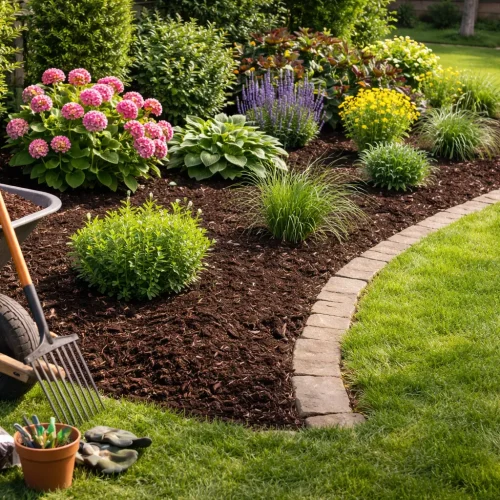
Mulch suppresses weeds, retains moisture, and gives planting beds a finished look. It’s a simple way to enhance both function and appearance.
Add Lighting
Outdoor lighting highlights key features and improves safety. Solar-powered options are cost-effective and easy to install.
Focus on the Entryway
Your front yard and entrance set the tone for your entire home. Use symmetrical plantings or decorative elements to create a welcoming feel.
Maintain Consistency
Consistency in colors, materials, and plant types creates a cohesive look that feels professionally designed.
Conclusion
Smart landscaping planning is about making intentional choices that balance beauty with practicality. By assessing your space, selecting the right plants, and incorporating durable hardscaping elements, you can transform your yard into a low-maintenance retreat that still delivers impressive visual impact.
The key is to think long-term. Every decision—from soil preparation to plant selection—should support sustainability and ease of care. With the right strategy, your outdoor space can become a source of pride rather than a constant responsibility, offering both functionality and aesthetic appeal for years to come.