Homeowners run into a wide range of HVAC challenges throughout the year, and many of these issues show up during moments when comfort matters most. A system that struggles to cool during the heat or fails to warm the home during colder days can turn a simple inconvenience into a stressful situation.
Communities in Calhoun, Louisiana, deal with weather patterns that shift throughout the seasons, which places steady demand on heating and cooling equipment. It makes it even more valuable for residents to stay ahead of potential system problems. A clear understanding of how HVAC systems work, along with awareness of early warning signs, gives homeowners the confidence to maintain their system before the strain of seasonal use sets in.
Understanding the Role of Your HVAC System
A well-functioning HVAC system manages temperature and airflow to create a balanced indoor environment. The system relies on several components working together, including the furnace or heat pump, evaporator and condenser coils, thermostat, and air handler. Each part plays a specific role, and a disruption in one area can affect comfort throughout the home.
Having a basic understanding of these parts helps homeowners make informed decisions. When you know what each component does, it becomes easier to identify when something feels out of place.
Failing to Recognize Early HVAC Warning Signs
One common problem homeowners face is failing to identify early HVAC warning signs, allowing a minor issue to escalate into a larger system problem. Issues like weak airflow, warm air during cooling cycles, or cool air during heating cycles are often indicators that the system is under strain.
When these warning signs appear, a professional evaluation can help uncover underlying problems that may not be visible during routine homeowner checks. If you’re looking for heating and air repair in Calhoun, LA, working with a service that can accurately diagnose HVAC issues at an early stage can make a significant difference. A qualified technician will pinpoint the root cause, restore reliable operation, and reduce the likelihood of more expensive repairs down the road.
Keeping Air Filters Clean for Steady Airflow
Air filters play a major role in keeping the system efficient. A filter catches dust, pet dander, and other airborne particles before they reach sensitive internal components. When a filter becomes packed with debris, airflow slows down, and the system must work harder to move conditioned air through the home. This extra strain leads to temperature inconsistencies and longer run times.
Replacing filters on a routine schedule creates a smoother path for air movement and supports cleaner indoor air. Homeowners can choose between disposable filters or higher-efficiency options designed to capture smaller particles.
Preventing Thermostat-Related Problems
Thermostat issues create a surprising amount of confusion for homeowners. A thermostat that loses calibration or uses outdated technology may misread indoor temperatures, which leads to uneven heating or cooling. Dead batteries, loose wiring, or incorrect settings can also disrupt performance.
Upgrading to a more reliable programmable thermostat helps create predictable temperature schedules and reduces unnecessary system cycling. Clear displays and straightforward controls also make the device easier to manage. A dependable thermostat supports the entire heating and cooling system by delivering accurate temperature signals.
Avoiding Damage Caused by Dirty Coils and Blocked Condensate Lines
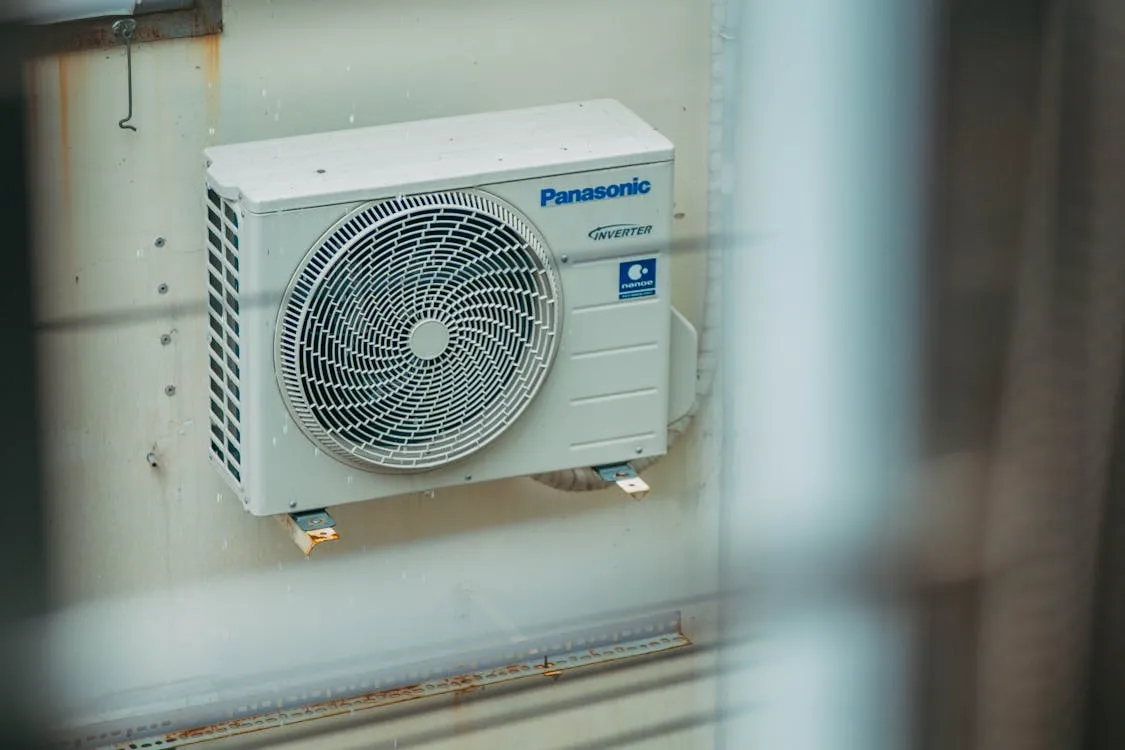
Coils play a key role in heat transfer, and dirt buildup can interfere with that process. When debris covers the evaporator or condenser coils, the system struggles to remove heat, which reduces efficiency and comfort. Moisture from cooling cycles can also lead to clogged condensate lines, and these blockages may cause leaks or water damage around the unit.
Keeping these components clear helps the system manage temperature changes more effectively. Regular visual checks allow homeowners to spot dirt, algae, or standing water near the unit. Simple steps like trimming vegetation around outdoor equipment or clearing accessible areas support smoother operation and reduce the chances of heat transfer problems.
Protecting the System from Electrical and Mechanical Wear
Heating and cooling systems rely on a combination of moving parts and electrical connections that keep everything running smoothly. When components start to wear out, the strain shows up through strange vibrations, inconsistent heating or cooling, tripped breakers, or a unit that starts and stops more than usual. These signs point to parts that may no longer operate the way they should.
Routine attention helps prevent bigger problems. Homeowners who notice new noises or fluctuations in performance can benefit from having the system checked before a small issue spreads to other components. A technician can tighten loose connections, check motors, inspect belts, and look for signs of wear that may go unnoticed during daily use.
Scheduling Professional Tune-Ups to Maintain Performance
A professional tune-up prepares the system for seasonal demands. During a tune-up, a technician looks at airflow levels, refrigerant balance, electrical components, coil condition, and safety controls. These checks help confirm that key parts still operate as intended and that nothing stands in the way of reliable performance.
Tune-ups help prevent hidden issues from developing into disruptive repairs. A trained technician can identify worn parts, remove buildup, test the startup sequence, and make adjustments that keep the system on track. Homeowners in extreme climates, such as the desert Southwest, benefit even more from professional HVAC maintenance programs and seasonal HVAC tune-up services, since extended cooling seasons place additional wear on system components.
Preparing Your Home for Weather Shifts
Seasonal changes create conditions that challenge heating and cooling systems. When temperatures rise or drop, equipment must work harder to maintain a comfortable indoor environment. Homes that lack proper insulation, have air leaks, or use aging ductwork place extra load on the HVAC system.
Homeowners can support their equipment by taking steps that help stabilize indoor conditions. Sealing gaps around windows and doors helps reduce drafts and slows the transfer of outdoor air into the home. Adding insulation in key areas helps maintain a more consistent indoor temperature.
HVAC challenges develop for many reasons, and homeowners who understand these issues gain a better sense of how to protect their comfort. A steady routine that includes filter care, thermostat checks, coil cleaning, and mechanical inspections helps reduce the risk of unexpected breakdowns. Professional tune-ups add another layer of protection by catching problems early and keeping essential components in good condition.
A proactive mindset makes home comfort easier to maintain and keeps repair costs under control. When homeowners stay informed and address small signals quickly, their system remains dependable throughout the year.
FAQS
Unusual noises, uneven heating or cooling, longer run times, or air that doesn’t match the thermostat setting often signal an underlying problem.
Common issues include weak airflow, inconsistent temperatures, dirty filters, thermostat malfunctions, and worn electrical or mechanical components.
Most filters should be replaced every 1–3 months, depending on household conditions such as pets, dust levels, and system usage.
Yes, inaccurate readings or poor calibration can cause unnecessary cycling, uneven comfort, and increased strain on the system.
Dirt on evaporator or condenser coils interferes with heat transfer, reducing efficiency and forcing the system to work harder.
A blocked line can cause water leaks, moisture damage, and in some cases trigger system shutdowns to prevent overflow.
New rattling, buzzing, or grinding sounds often indicate loose parts or mechanical wear that should be inspected promptly.
Tune-ups identify worn components, improve efficiency, and address small issues before they turn into costly repairs.
Yes, poor insulation and air leaks force the system to work harder, reducing efficiency and shortening equipment lifespan.
Routine maintenance, early problem detection, and seasonal professional inspections help keep systems reliable and repair expenses manageable.