Making your home feel more valuable doesn’t always require a major renovation or a large budget. Often, small improvements can make a noticeable difference to how a space looks, feels and functions. A fresh coat of paint, better lighting, improved storage or a more welcoming outdoor area can make everyday living more enjoyable while giving your home a more polished appearance.
The key is to focus on improvements that solve practical problems and complement the character of your home. Whether you’re refreshing your space for yourself, preparing for guests or thinking about selling in the future, these budget-friendly upgrades can help you make the most of what you already have.
1. Give Your Walls a Fresh Coat of Paint
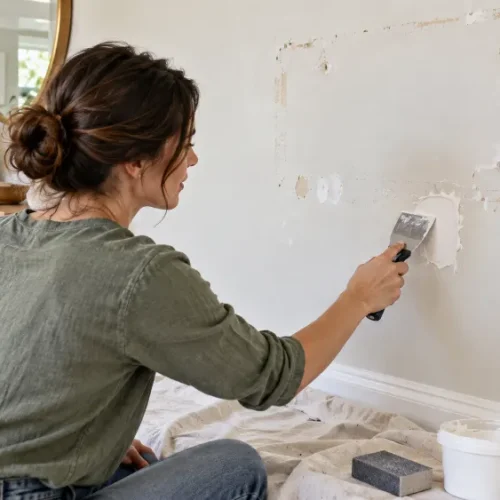
Few home improvements can transform a room as quickly as paint. Walls naturally collect marks, scuffs and signs of everyday wear, so refreshing them can instantly make a room look cleaner and more cared for.
You don’t necessarily need to repaint the entire house. Focus on areas that receive the most attention, such as the living room, entryway, kitchen or main bedroom. Neutral shades can create a bright and versatile backdrop, while a carefully chosen feature wall can add personality without overwhelming the space.
If your doors, trims or skirting boards look tired, refreshing those areas can also make the room feel more finished. For a budget-conscious project, use leftover paint creatively rather than purchasing completely new materials for every surface.
2. Upgrade Your Lighting
Good lighting can change the atmosphere of a home without requiring expensive structural work. A room that feels dark or dated may become much more inviting with a few carefully chosen lighting improvements.
Consider replacing outdated light fittings, adding lamps to darker corners or installing under-cabinet lighting in the kitchen. Warm lighting can create a comfortable atmosphere in living areas, while brighter task lighting works well in kitchens, bathrooms and home offices.
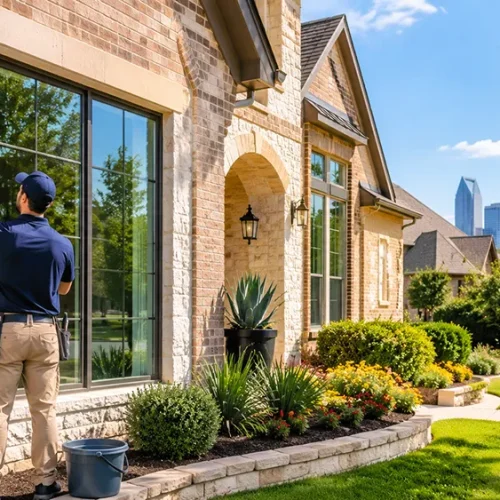
Don’t overlook natural light either. Clean windows, lighter curtains and strategically placed mirrors can help make rooms feel brighter and more spacious.
3. Refresh Your Kitchen Without Replacing It
A complete kitchen renovation can be expensive, but you don’t always need to replace everything to give the room a fresh appearance.
Start by looking at the details that are easiest to change. Cabinet handles, drawer pulls, taps, splashbacks and light fittings can all influence the overall look. If the cabinet doors are structurally sound, painting them may be considerably more affordable than replacing the cabinetry.
Decluttering your benchtops can also make a surprising difference. Keep frequently used items accessible while storing appliances and other belongings that aren’t used every day.
The goal is not necessarily to create a brand-new kitchen. It is to make the existing space feel cleaner, more functional and better maintained.
4. Make the Entryway More Welcoming
The entryway creates the first impression of a home, but improving it doesn’t have to involve a major project.
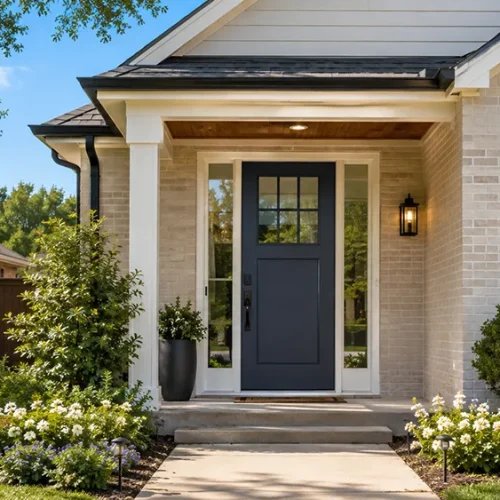
Start with a good clean and remove unnecessary clutter. A new doormat, updated house numbers, a mirror or a small piece of artwork can add personality without costing much. If the front door looks worn, a fresh coat of paint or new hardware may give it a completely different appearance.
For homes with an outdoor entrance, consider adding simple plants or improving the lighting around the doorway. These small details can make coming home feel more welcoming while giving visitors a positive first impression.
5. Add Storage Where Clutter Builds Up
A home can feel less appealing when everyday belongings have nowhere to go. Improving storage is therefore one of the most practical upgrades you can make.
Look for unused areas that could provide additional storage. Floating shelves, baskets, hooks, under-bed containers and wall-mounted organisers can all help keep belongings under control without taking up valuable floor space.
In smaller homes, multifunctional furniture can be particularly useful. An ottoman with hidden storage, a bench with compartments or a bedside table with drawers can provide functionality without making the room feel crowded.
Good organisation isn’t about hiding everything. It’s about creating a place for the things you actually use.
6. Give Your Bathroom an Affordable Refresh
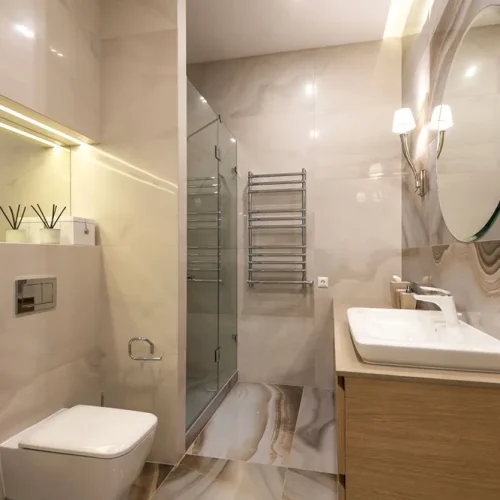
You don’t need a full bathroom renovation to make the space feel cleaner and more modern. Start with simple improvements that address visible signs of age.
Replacing worn tapware, updating cabinet handles, changing a mirror or installing a new light fitting can refresh the room. Regrouting tiles or replacing old silicone around wet areas may also improve the overall appearance.
Decluttering bathroom counters is another inexpensive improvement. Use attractive containers or simple organisers to keep everyday products together while leaving the main surfaces clear.
If fixtures or fittings are damaged, prioritise repairs before decorative changes. A clean, functional bathroom will generally feel more valuable than one filled with expensive accessories but obvious maintenance issues.
7. Improve Your Outdoor Living Area
Outdoor spaces can become an extension of your living area, particularly when they are comfortable and easy to use.
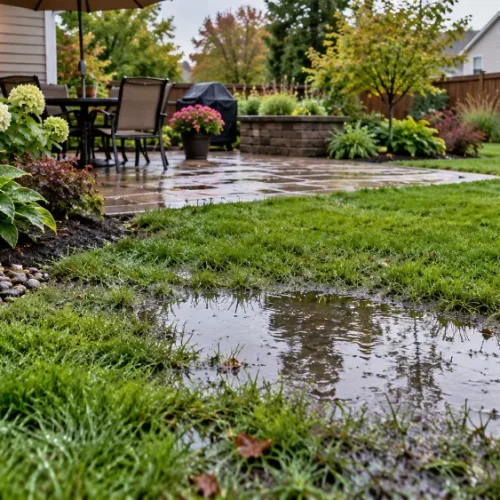
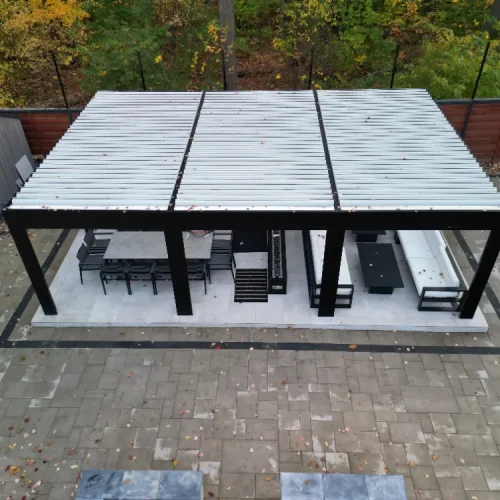
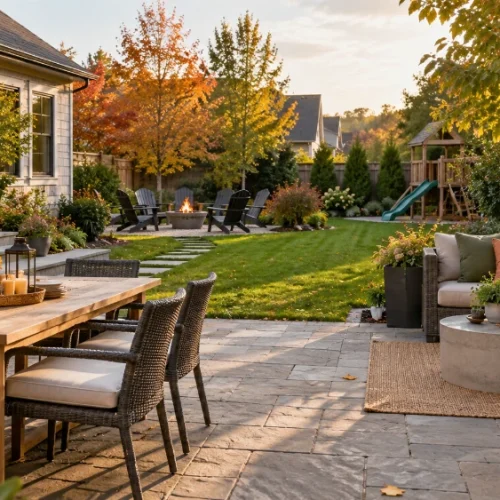
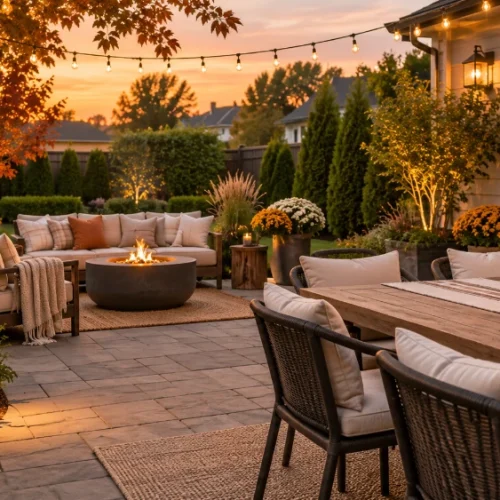
You don’t necessarily need to build a new deck or undertake major landscaping. Start by cleaning the patio, washing outdoor furniture and trimming overgrown plants. Adding affordable cushions, outdoor rugs, potted plants or simple lighting can make the area feel more inviting.
If you have a small balcony or courtyard, focus on making every part of the space useful. Vertical gardens, compact seating and hanging planters can add interest without taking up much floor space.
A well-maintained outdoor area can make a home feel more complete and encourage people to use space that might otherwise be overlooked.
8. Repair the Small Things You’ve Been Ignoring
Sometimes the most worthwhile home improvements aren’t upgrades at all—they are repairs.
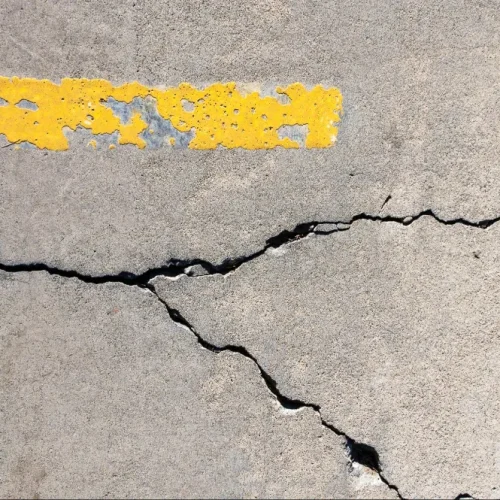
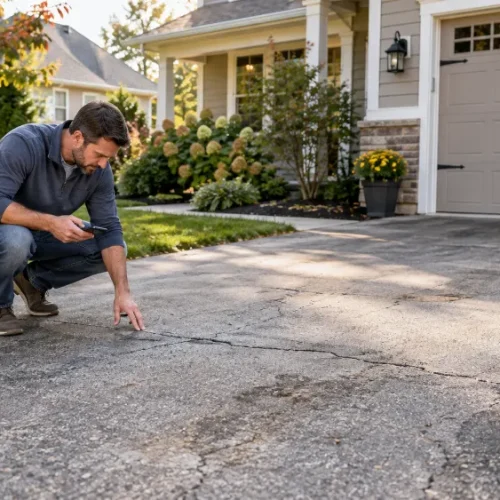
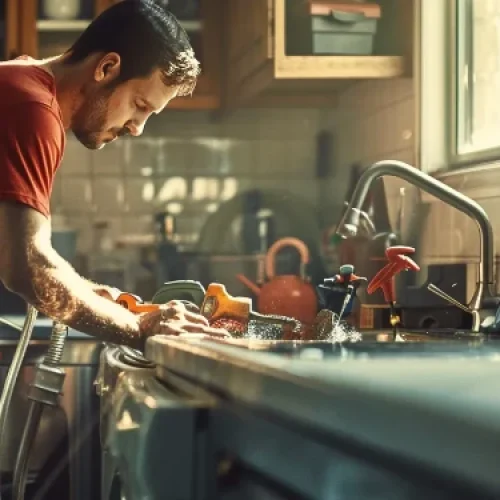
Loose handles, dripping taps, damaged doors, cracked tiles, peeling paint and broken fixtures can make a home appear less cared for. Individually, these issues may seem minor, but several unfinished repairs can affect the overall impression of a property.
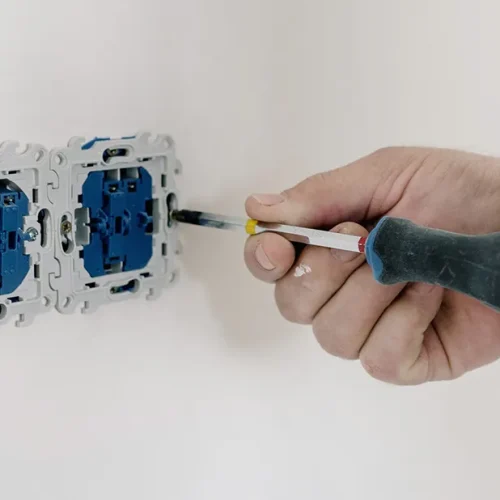
Walk through your home with a notepad and make a list of everything that needs attention. Separate the jobs you can safely complete yourself from those that require a qualified professional.
Once the small repairs are finished, the house may feel noticeably fresher without any major expenditure.
9. Make Small Rooms Work Harder
A small room doesn’t have to feel cramped. Sometimes the biggest improvement comes from changing how the existing space is used.
Begin by removing furniture and belongings that aren’t serving a purpose. Rearranging the remaining pieces can improve movement through the room and create a better sense of space.
Vertical storage can also help. Floating shelves, wall hooks and tall storage units make use of wall space while keeping the floor clearer. Mirrors can reflect light and create a greater sense of openness, while furniture that serves more than one purpose can make compact rooms more practical.
Before buying anything new, experiment with the layout you already have. You may discover that the best upgrade costs nothing at all.
10. Choose Improvements That Suit Your Home
The most expensive improvement isn’t automatically the most valuable one. A renovation should make sense for the property, its location, its condition and the way people are likely to use it.
Before spending money, consider whether the improvement solves a genuine problem. Ask yourself:
- Will it make the home more functional?
- Does it improve a noticeable weakness?
- Is the cost reasonable for the property?
- Will the improvement suit the home’s existing style?
- Could the money be better spent on repairs or maintenance?
It’s also worth remembering that the effect of an improvement on property value can vary. Factors such as location, condition, land size, renovations, local demand and recent comparable sales can all influence how a property is assessed.
When Should You Think About Property Value?
If you’re simply improving your home for your own enjoyment, you don’t need to measure the value of every paint colour or storage solution. However, the question becomes more important when you’re considering a significant renovation, selling your property, refinancing or dealing with a financial or tax matter.
For example, spending heavily on a renovation doesn’t necessarily mean you’ll recover the same amount through a higher sale price. The result can depend on the property’s location, existing condition, buyer expectations and the wider market.
For certain tax-related situations, professional capital gains tax valuations may also be required to establish a property’s market value at a relevant date. This is different from simply estimating what your home might be worth after completing a DIY project.
What If You’re Preparing Your Home for a Bank or Lender?
Homeowners sometimes make improvements before refinancing or applying for finance because they want their property to present well. While presentation and condition can matter, a lender’s assessment isn’t simply a reward for how much money you’ve spent on renovations.
A bank house valuation is prepared for lending purposes and can involve an assessment of the property’s location, characteristics, condition and relevant market evidence. Understanding this distinction can help homeowners avoid assuming that every dollar spent on an upgrade will automatically translate into an equivalent increase in lending value.
When Is a Professional Property Valuation Worth Considering?
Online estimates and informal opinions can be useful starting points, but they don’t provide the same assessment as a professional valuation. A formal valuation considers the property itself alongside relevant market evidence and the purpose for which the valuation is required.
For homeowners dealing with finance, taxation, legal matters or other situations where an independent report is needed, Accredited property valuers can provide a more appropriate assessment than relying solely on an online estimate or an informal opinion.
This doesn’t mean you need a professional valuation every time you paint a room or reorganise a cupboard. Rather, it can be useful when a reliable figure is important for a specific financial or property decision.
Make Your Home Feel Better Without Overspending
A home doesn’t need an expensive makeover to feel fresh, functional and well cared for. Often, the most effective changes are the ones that address everyday frustrations: poor lighting, clutter, worn finishes, neglected repairs or unused outdoor areas.
Before starting a project, walk through your home and identify what genuinely needs improvement. Prioritise maintenance, functionality and simple visual updates before committing to major renovations.
Most importantly, choose projects that work for your home and your budget. A beautifully organised room, freshly painted wall, improved entrance or comfortable outdoor area can make a meaningful difference without turning your weekend project into a major construction job.
When larger renovation or property decisions come into the picture, looking beyond appearance can also be worthwhile. Understanding the property’s condition, local market and potential value can help you make more informed choices about where to invest your time and money.