This post contains affiliate links. As an Amazon Associate, I earn from qualifying purchases, at no extra cost to you. See our disclosure policy.
Your Lawn Is the First Thing People Notice About Your Home
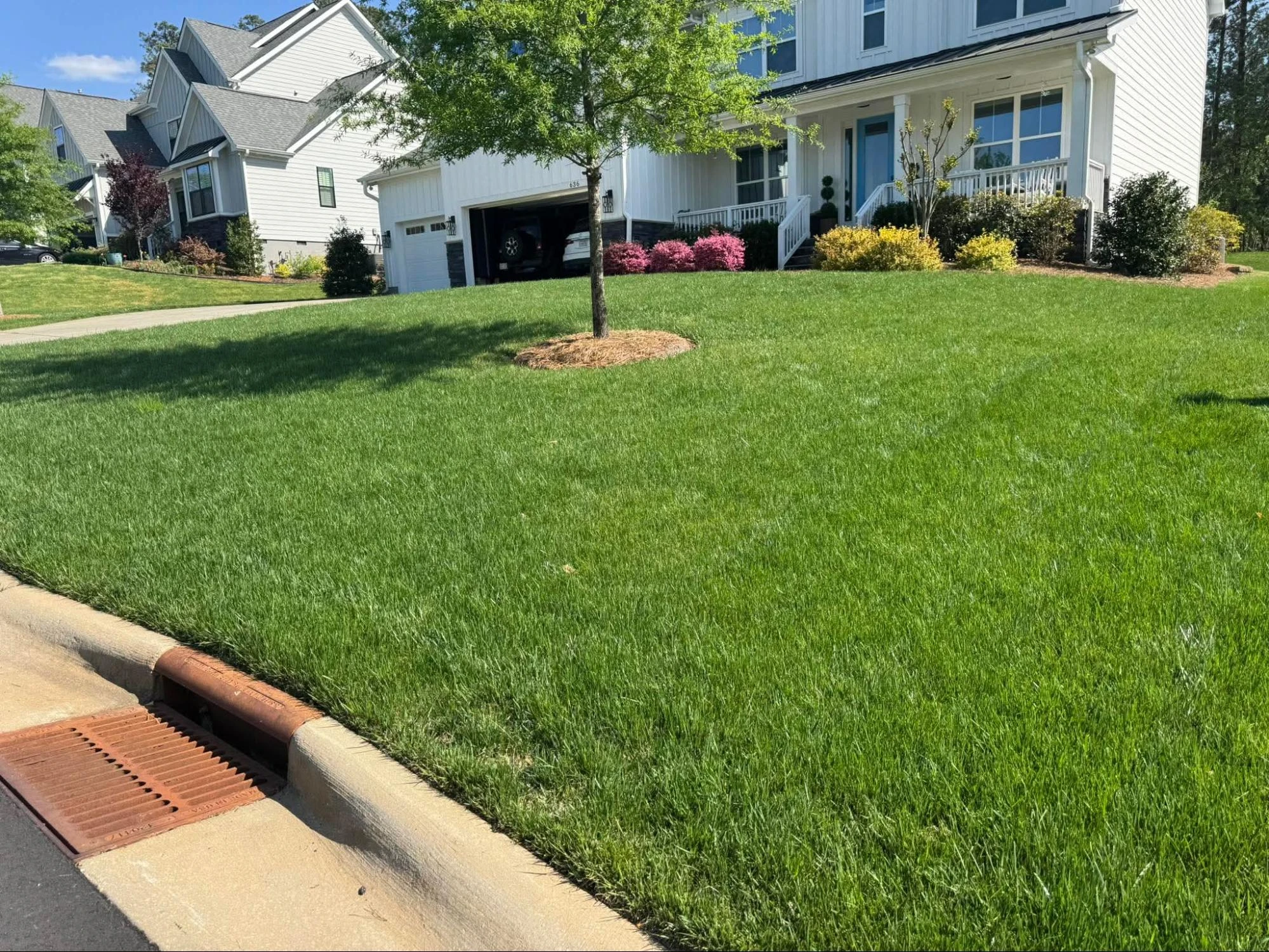
Think about the last time you drove through a neighborhood and spotted a house that just looked right. The grass was thick and green, the edges were clean, and everything about the front yard felt pulled together. You probably formed an opinion about that home in less than five seconds, maybe even less. That is exactly how it works for your home too.
Researchers who study human behavior have found that people form first impressions almost instantly. When someone drives past your home, pulls up for a visit, or even glances at a listing photo online, their eyes go straight to the exterior. And the very first thing that frames your house, before the front door, before the paint color, before anything else, is your lawn.
Think of your lawn as the picture frame around a beautiful painting. Even if the painting is stunning, a cracked or crooked frame takes away from the whole piece. The same is true for your home. A patchy, weed-covered lawn makes even a well-maintained house look neglected. But a lush, healthy, weed-free lawn makes the entire property feel inviting, cared for, and worth noticing.
Picture two homes sitting side by side on the same street. The first has a lawn full of dandelions, crabgrass creeping along the edges, and bare patches where the soil is showing through. The second has a deep green, evenly mowed lawn with no weeds in sight. Both houses might be the same size, the same age, and painted the same color. But you already know which one feels more appealing. You already know which homeowner you imagine takes better care of the inside too.
There is also something deeper here that goes beyond numbers and first impressions. Your lawn is an extension of your home, and by extension, it reflects who you are. A beautiful, healthy lawn says that you take pride in where you live. It says you care about your neighborhood and the community around you. The good news is that a gorgeous, weed-free lawn is absolutely achievable, and it does not require you to become a lawn care expert overnight. It just requires understanding what your lawn needs and taking the right steps at the right time.
The Curb Appeal Illusion Most Homeowners Fall For
A lot of homeowners pour money into flower beds, fresh mulch, and decorative planters, then wonder why their yard still does not look quite right. The truth is, no amount of colorful flowers or stylish outdoor décor can save a lawn that looks patchy, thin, or weed-covered. It is like hanging beautiful artwork on a wall with cracked, peeling paint. The details you added are nice, but the foundation underneath is working against you.
Think about how flooring works inside your home. If the floors are scratched, stained, or uneven, the whole room feels off no matter how nice the furniture is. Your lawn works exactly the same way outdoors. It is the visual foundation that everything else sits on. When it looks healthy and full, every other element of your yard, your garden beds, your walkway, your front porch, gets a boost. When it looks rough, everything else loses its impact.
Weeds are especially good at breaking visual harmony. A single stretch of dandelions or a patch of crabgrass draws the eye immediately and interrupts the clean, uniform look that makes a lawn feel polished. Even if your hedges are trimmed perfectly and your driveway is spotless, weeds signal neglect. Fixing the lawn first is not just one step among many. It is the step that makes everything else actually work.
5 Hidden Mistakes That Are Quietly Ruining Your Lawn Right Now
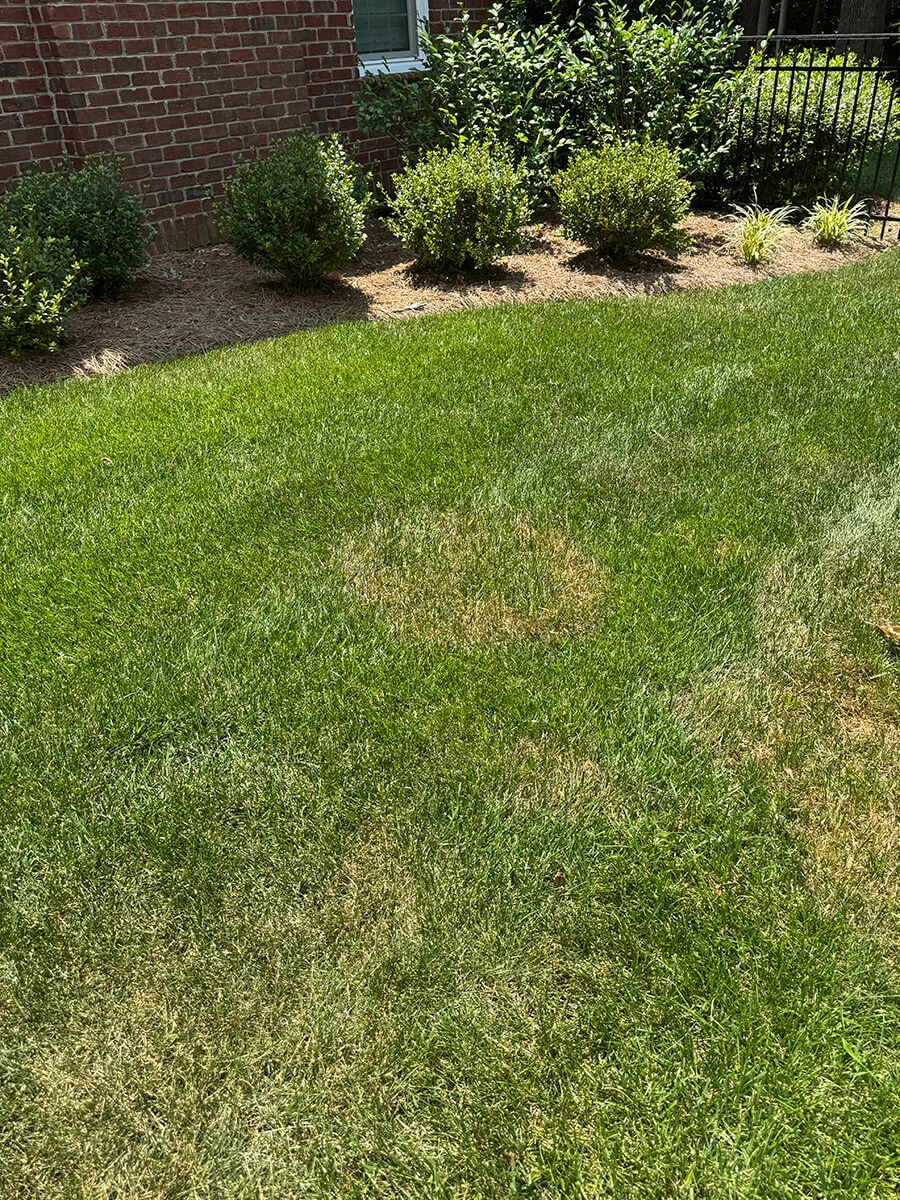
Most lawn problems do not happen overnight. They build up slowly from small habits that seem harmless at the time. Here are the five most common mistakes homeowners make without even realizing it.
1. Ignoring early-stage weeds. That one dandelion you noticed last month? It has already spread seeds across half your yard. Weeds are incredibly fast movers, and the earlier you catch them, the easier and cheaper they are to deal with. Letting them sit is never harmless.
2. Overwatering your grass. More water does not mean healthier grass. When you water too frequently, the roots stay shallow because they never have to reach deep into the soil for moisture. The result is thin, weak grass that struggles to compete with weeds and stress.
3. Mowing too short. Cutting your grass down as low as it will go feels efficient, but it actually puts your lawn under serious stress. Short grass blades cannot photosynthesize properly, and the exposed soil becomes an open invitation for weeds to take root.
4. Inconsistent care leading to patchy color. Skipping treatments, forgetting fertilizer, or applying products unevenly creates those frustrating light and dark patches that make a lawn look unhealthy. A uniform, deep green lawn only happens with consistent, regular attention throughout the season.
5. Waiting too long to fix small problems. A bare patch, a yellowing strip, or a few weeds showing up in one corner are all early warning signs. Most homeowners tell themselves they will deal with it later. By the time later arrives, a small fix has turned into a full lawn rescue project.
Why Weeds Are the Biggest Threat to a Beautiful Lawn
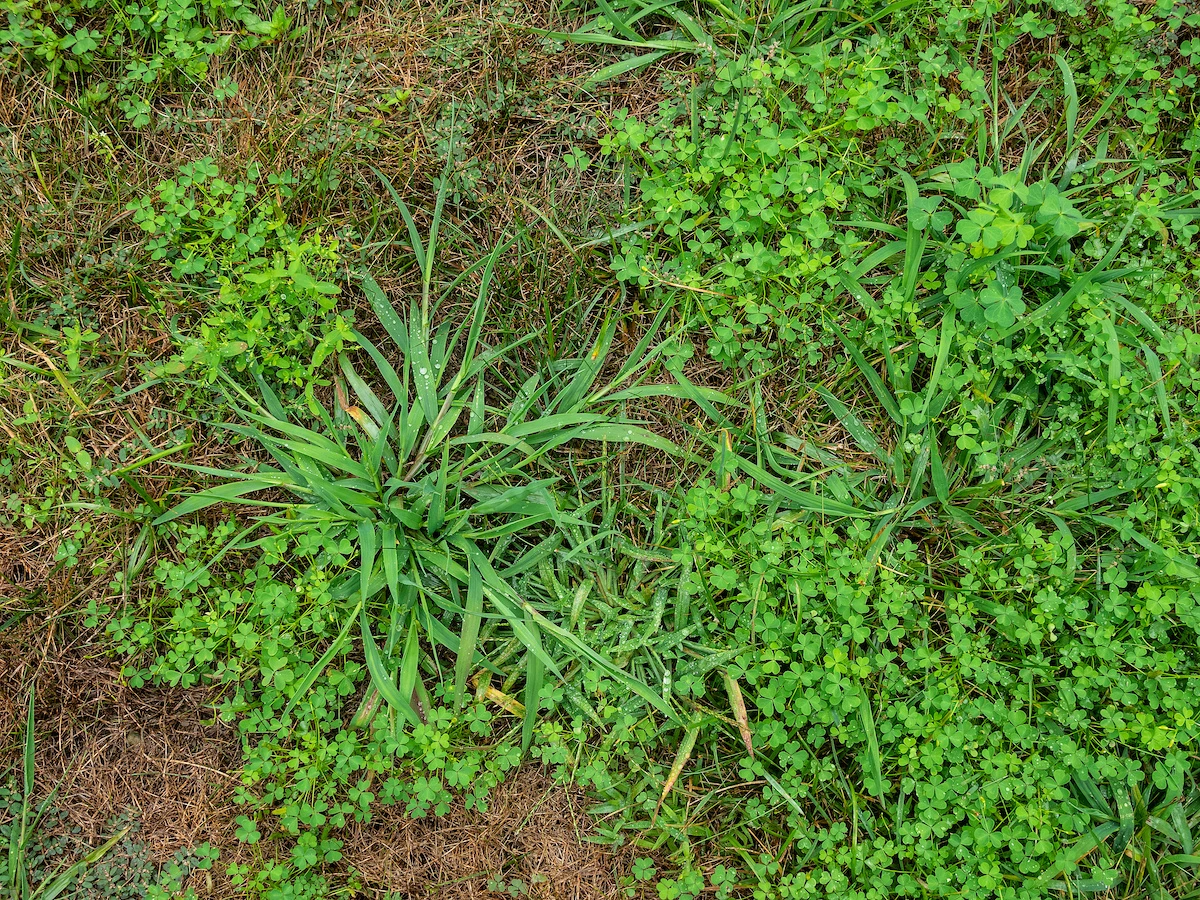
Most homeowners think of weeds as just an eyesore, something that looks bad but does not do much real damage. The reality is much worse. Every weed growing in your lawn is actively competing with your grass for the same nutrients, water, and sunlight. And weeds are aggressive competitors. They grow faster, spread wider, and are far more resilient than the grass around them, which means your lawn is always losing that battle unless you step in.
What makes weeds especially dangerous is how quickly they multiply. A single broadleaf weed can release hundreds of seeds in one season. Grassy weeds like crabgrass spread through both seeds and runners, covering new ground faster than most homeowners expect. By the time a weed problem becomes obvious, it has usually been building for weeks or months underneath the surface.
Beyond the biology, there is a simple visual truth. Weeds make a lawn look uncared for almost instantly. The uneven texture, the random bursts of different colored growth, and the ragged edges they create destroy the clean, uniform look that makes a lawn feel intentional and well-maintained. When weeds get to the point where they are spreading faster than you can manage on your own, it is worth bringing in a professional. A service like Advanced Turf Care’s lawn weed control takes a targeted, systematic approach that stops weeds at the root and protects your lawn through the whole season, something that is very hard to replicate with store-bought products alone.
The Lawn Health Pyramid: The Simple Framework Every Homeowner Needs
Most people think of lawn care as a list of random tasks. Fertilize here, spray there, water when you remember. But the healthiest lawns are built on a system, and the easiest way to understand that system is to think of it as a pyramid with three layers, each one supporting the next.
Layer 1: Soil Health (The Foundation). Everything starts underground. If your soil is compacted, nutrient-poor, or too acidic, your grass will always struggle no matter what you do on the surface. This layer is about feeding the soil through proper fertilization, loosening it through aeration so roots can breathe and grow deep, and making sure the ground beneath your lawn can actually support strong, lasting growth. A weak foundation means a weak lawn, every single time.
Layer 2: Grass Density (The Defense Layer). Once your soil is healthy, your goal is to grow grass that is thick enough to defend itself. A dense, full lawn is nature’s best weed barrier. When grass grows tightly together, there is simply no room for weed seeds to find soil, take root, and establish themselves. Overseeding thin areas, consistent mowing at the right height, and proper watering all work together to build this layer. Think of it as your lawn’s immune system.
Layer 3: Weed Control (The Protection Layer). Even a healthy, dense lawn needs a protective outer layer. This is where targeted weed control comes in, both preventing new weeds from germinating and eliminating the ones that do manage to push through. This layer works best when the two beneath it are already strong. Weed control on top of poor soil and thin grass is like putting a roof on a house with no walls. It helps temporarily, but it cannot hold on its own.
When all three layers work together, the result is a lawn that looks beautiful, stays resilient through hot summers and unpredictable weather, and requires far less emergency fixing throughout the year.
Simple Upgrades That Make Your Lawn Look Better Almost Immediately
Not every improvement requires a full lawn overhaul. Some of the most noticeable changes come from small, consistent habits that take very little time but make a big visual difference.
Clean, sharp edges. Nothing makes a lawn look more intentional than crisp edges along your driveway, sidewalk, and garden beds. Edging takes maybe ten minutes, but it gives your entire yard a manicured, finished look that stands out immediately from the street.
Even mowing patterns. The direction and consistency of your mowing actually matters more than most people realize. Alternating your mowing direction each time you cut prevents grass from leaning one way and creates that subtle striping effect you see on well-kept lawns and sports fields. It sounds like a small detail, but it gives your lawn a professional, polished appearance.
Filling bare patches. Thin or bare spots are eyesores that also leave your lawn vulnerable to weeds moving in. Overseeding those areas with the right grass type for Charlotte’s climate fills them in naturally and brings back that thick, even look across the whole yard.
A consistent watering schedule. Watering deeply but less frequently, rather than a little bit every day, trains your grass roots to grow deeper and stronger. Early morning is the best time to water so the moisture reaches the roots before the heat of the day evaporates it.
Seasonal feeding. Your lawn’s nutritional needs change throughout the year. A spring feeding jumpstarts growth, a summer application keeps grass strong through the heat, and a fall feeding helps roots build strength heading into winter. Staying on a seasonal schedule is one of the easiest ways to maintain that deep, consistent green color all year long.
DIY vs. Professional Lawn Care: What Actually Makes the Difference
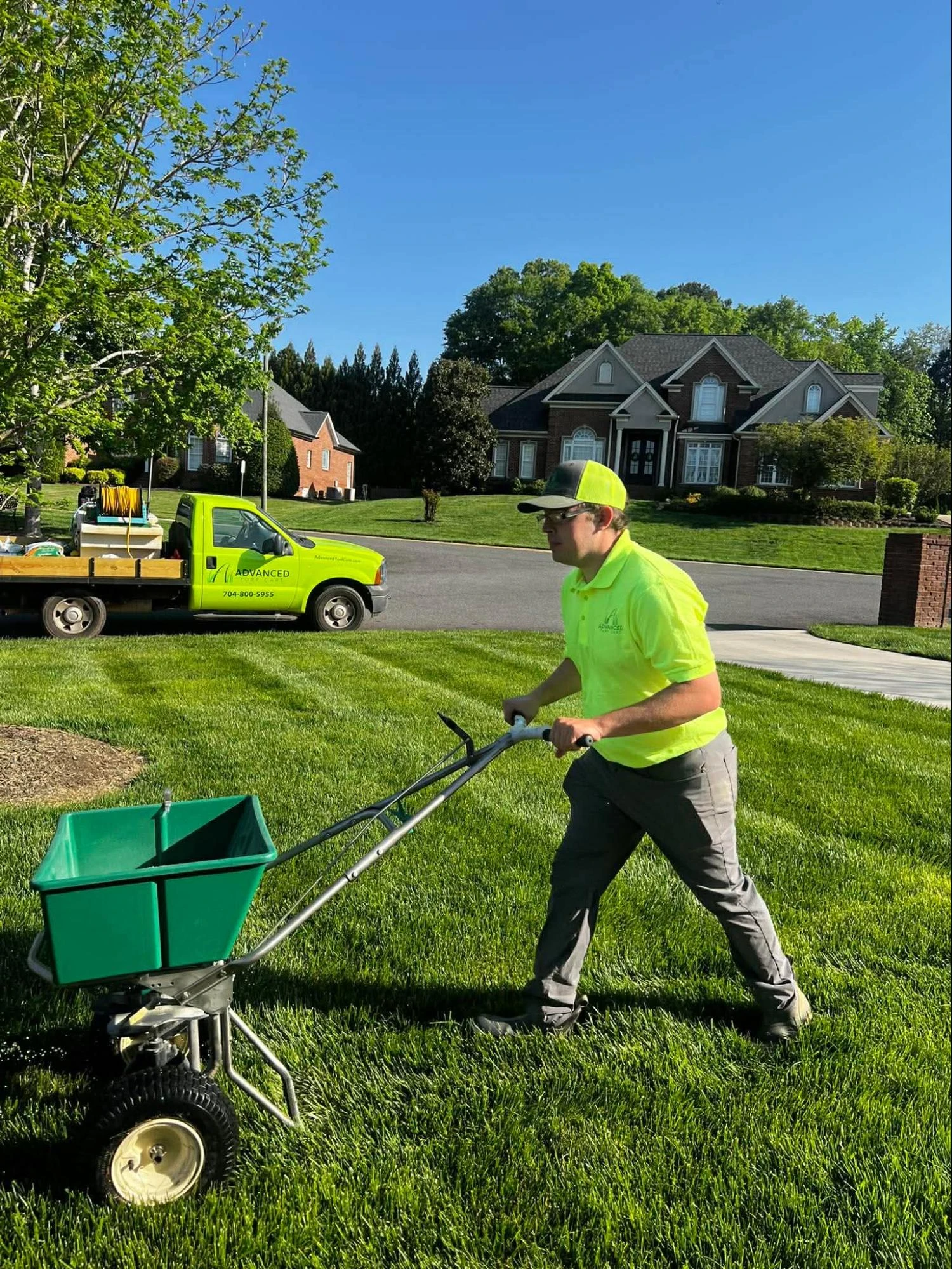
There is no shame in handling your own lawn care, and for many homeowners, it works perfectly well. If you are dealing with a minor weed here and there, you have the time to stay consistent, and your lawn is generally in decent shape, a good DIY routine can absolutely maintain it. The key word is consistency. DIY lawn care only works when you stick to it week after week, season after season.
Professional help becomes the smarter choice when the problems keep coming back no matter what you try, when your lawn looks uneven or stressed despite your efforts, or when you simply want fast, noticeable results without spending your weekends troubleshooting. A professional service brings the right products, the right timing, and the kind of trained eye that catches problems before they grow into bigger ones. For Charlotte homeowners who want a lawn that looks genuinely great without the guesswork, Advanced Turf Care offers a full-service approach that covers everything from fertilization and weed control to aeration and overseeding, so every layer of the lawn health pyramid is taken care of for you.
Your Seasonal Lawn Game Plan for Charlotte
Charlotte’s climate is unique, with hot, humid summers and mild but unpredictable winters, and your lawn care routine needs to follow the seasons to stay ahead of problems.
Spring is the most important time to act. This is when weeds begin germinating and your grass is waking up from its dormant period. Pre-emergent weed control applied in early spring stops weed seeds before they sprout, and a feeding at this stage gives your grass the nutrients it needs to grow thick and strong heading into the warmer months.
Summer is all about maintenance and protection. The heat puts your lawn under stress, so consistent but deep watering becomes critical. This is also the season when grubs and disease can quietly damage your lawn from below and above, so staying alert and keeping up with your treatment schedule makes a real difference.
Fall is your repair and strengthening window. If your lawn has bare or thin spots from summer stress, fall is the best time to overseed in Charlotte’s climate. The cooler temperatures help new grass establish quickly, and a fall fertilizer application helps roots build the strength they need to survive winter and come back strong in spring.
Winter is the preparation phase. Your lawn is largely dormant, but that does not mean there is nothing to do. Clearing debris, avoiding heavy foot traffic on stressed grass, and making sure your soil is ready for the next growing season all set you up for a much easier spring ahead.
A Beautiful Lawn Is Not Luck. It Is a Strategy.
The most stunning lawns you see while driving through Charlotte neighborhoods did not happen by accident. They are the result of consistent care, the right treatments applied at the right times, and a clear understanding of what a lawn actually needs to thrive. Weed control keeps the invaders from taking over. Proper feeding builds the strength and color that make a lawn look premium. Aeration, overseeding, and seasonal attention stack together into something that looks effortless from the outside but is really just a smart, repeatable strategy carried out season after season.
The encouraging part is that you do not have to figure it all out on your own. You now understand the Lawn Health Pyramid, you know the mistakes to avoid, and you have a seasonal game plan built around Charlotte’s specific climate. That knowledge alone puts you ahead of most homeowners on your street.
If you are ready to stop guessing and start seeing real results, the simplest next step is handing it off to people who do this every single day. Advanced Turf Care is a Charlotte-based lawn care company that handles everything from weed control and fertilization to aeration, overseeding, and disease control. Think of it as a done-for-you curb appeal upgrade. You get the beautiful, healthy, weed-free lawn. They handle all the strategy, timing, and hard work that makes it happen.
Your home deserves a lawn that matches it. And that lawn is a lot closer than you might think.