This post contains affiliate links. As an Amazon Associate, I earn from qualifying purchases, at no extra cost to you. See our disclosure policy.
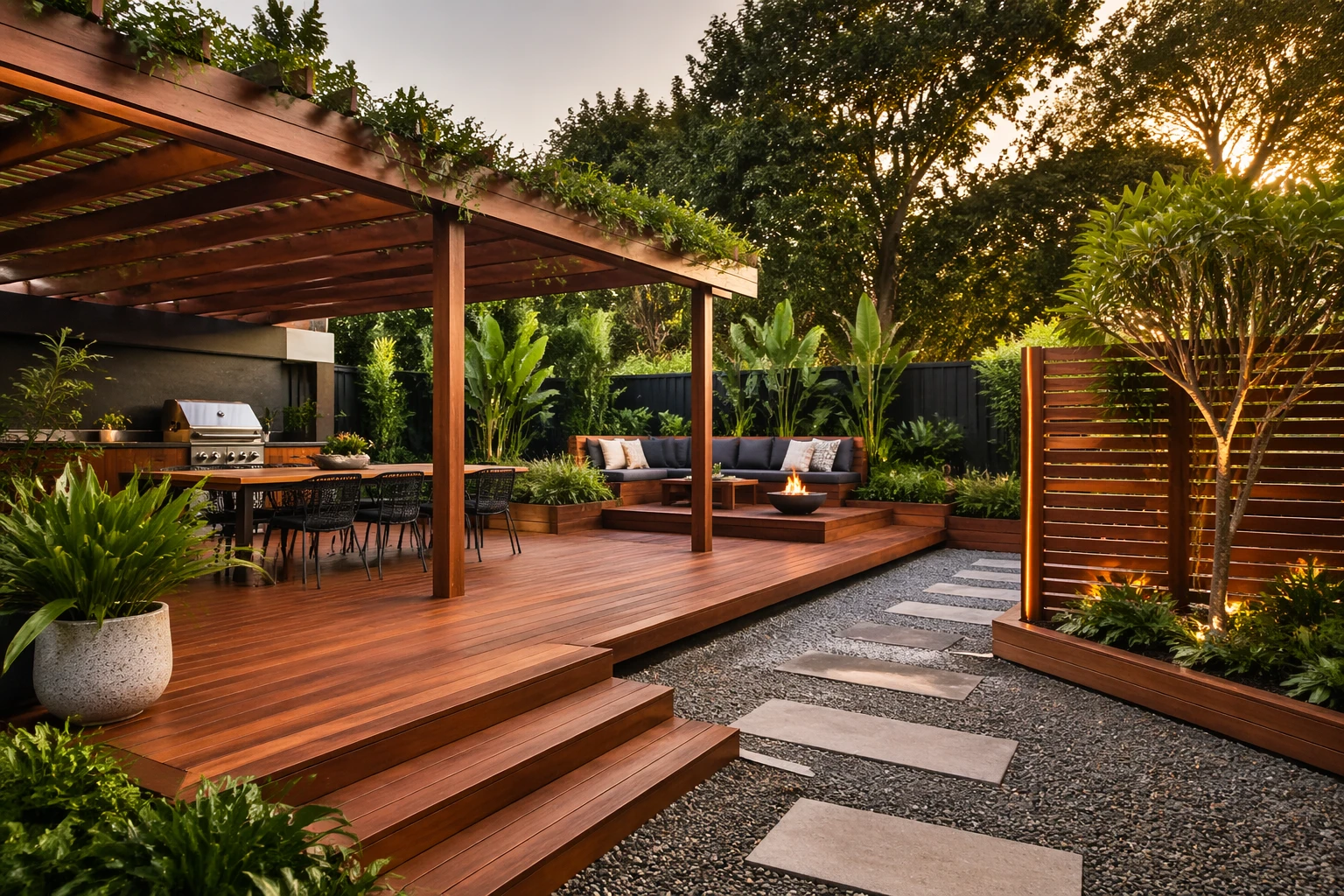
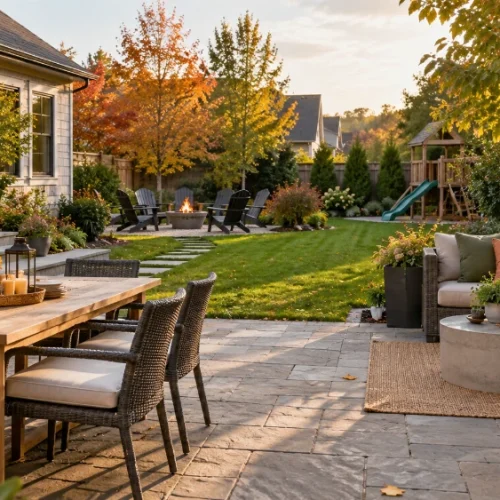
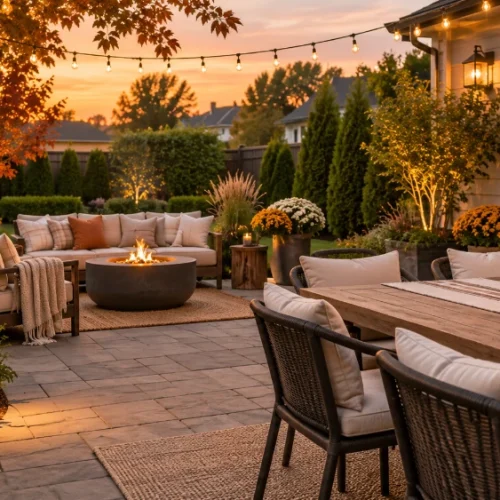
Spending time outdoors is a quintessential part of the Australian lifestyle. Whether you are hosting a lively weekend barbecue with friends or simply enjoying a quiet morning coffee while listening to the local birdlife, your backyard should feel like a natural extension of your home. However, creating that perfect outdoor retreat requires thoughtful planning, a touch of DIY enthusiasm, and the right choice of materials.
In recent years, sustainable timber has become a leading choice for homeowners looking to build durable, beautiful structures that harmonise with the natural environment. Wood brings an unmatched warmth and character to garden spaces, bridging the gap between constructed architecture and natural landscapes. Whether you have a sprawling suburban block or a compact urban courtyard, introducing the right timber elements can completely redefine how you utilise the space throughout the year.
Why Choose Native Hardwood for Your Backyard?
When investing in your property, material durability is absolutely paramount. The harsh Australian climate, characterised by intense UV rays and unpredictable heavy downpours, demands building supplies that can stand the test of time. Native Australian species, such as Spotted Gum, Blackbutt, and Ironbark, are naturally resistant to termites, rot, and extreme weather fluctuations. Their dense grain structure makes them incredibly robust, ensuring your new deck or shade structure remains structurally sound and visually striking for decades.
Unlike treated pine, which can sometimes warp or splinter under extreme heat, premium hardwoods offer unparalleled stability and peace of mind. If you are planning a build in South East Queensland, sourcing locally suited materials is crucial for longevity. For example, looking into premium hardwood products Brisbane ensures you are getting timber that is specifically acclimatised, milled, and graded for local environmental conditions. Choosing high-quality local materials means significantly less maintenance over the years and a longer lifespan for your cherished outdoor living areas.
Balancing the Renovation Budget
A common hurdle when planning a backyard makeover is managing the overall costs. Landscaping, building materials, and decorative finishing touches can quickly add up. A smart approach for the budget-conscious DIYer is to balance your spending by pairing cost-effective landscaping solutions with premium structural elements. For instance, you might decide to use a highly affordable ground cover for your patio or seating area instead of pouring an expensive concrete slab.
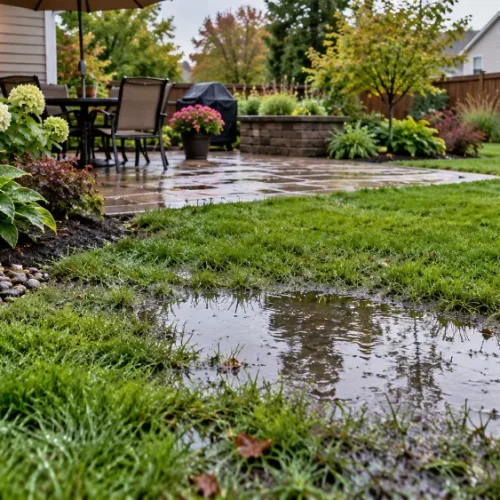
You can find excellent inspiration in this guide to low budget backyard designs with gravel, which showcases how a simple crushed stone base can look incredibly chic and purposeful. By saving money on the foundation and ground cover, you free up your budget to invest heavily in high-quality timber features like a custom pergola or a robust outdoor deck. This strategy gives your outdoor space a high-end, professionally styled feel without overspending on the entire yard. Furthermore, a gravel or crushed stone base offers excellent natural drainage during heavy rainstorms, which an added practical benefit for any garden layout.
The Environmental Impact of Sourcing Responsibly
Beyond aesthetics and physical durability, the environmental footprint of your home renovation truly matters. Wood is a fantastic renewable resource, provided it is harvested with ecological health and longevity in mind. According to an educational overview by Penn State Extension, sustainable forestry is about caring for and managing forests to provide the natural resources, such as wood and clean water, that we need now and in the future. They highlight that well-planned harvesting ensures a continuous source of high-quality wood while actively enhancing wildlife habitats and protecting soil and water quality.
By ensuring natural regeneration and maintaining complex forest ecosystems, responsible timber harvesting protects local wildlife habitats and preserves soil health. When you consciously choose suppliers who adhere to these strict environmental practices, your backyard project actively supports the long-term vitality of native forests rather than depleting them. Furthermore, using sustainably harvested wood helps sequester carbon, as the timber continues to store carbon dioxide long after it has been milled and installed in your garden, making it a truly climate-positive building choice.
Popular Timber Features to Elevate Your Space
Once you have your budget planned and your sustainable materials sourced, it is time to design the functional elements of your outdoor oasis. Integrating structural timber into your backyard can take many exciting forms, depending on your lifestyle needs and the specific layout of your property.
Consider adding one or more of these popular hardwood features to transform your exterior layout:
- Custom Decking: A well-built deck serves as the ultimate transitional space between indoors and outdoors. It provides a level, stable surface for heavy dining tables, outdoor kitchens, and comfortable lounge chairs, allowing you to entertain guests effortlessly.
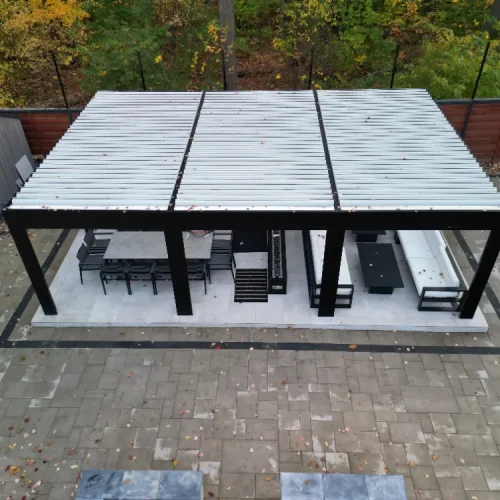
- Pergolas and Shade Structures: Adding a timber pergola creates a dedicated architectural zone for relaxation while offering much-needed relief from the harsh summer sun. You can leave the wood exposed to weather naturally, apply a protective stain to enhance the grain, or train climbing vines to grow over the rafters for a softer, organic canopy.
- Privacy Screens and Trellises: If you live in a heavily built-up neighbourhood, a slatted timber screen offers an elegant and modern solution for privacy. These screens allow cool evening breezes to flow through freely while keeping your seating area secluded from neighbouring properties.
- Built-In Seating: Maximise the utility of your deck or fire pit area by constructing permanent bench seating from leftover hardwood planks. This ensures you always have plenty of room for guests, reduces the need to buy bulky plastic outdoor furniture, and maintains a cohesive design language throughout the yard.
Conclusion
Transforming your backyard into a functional, inviting retreat does not have to be an overwhelming or excessively costly process. By making strategic choices with your budget, prioritising highly sustainable materials, and designing features that genuinely suit your day-to-day lifestyle, you can create an outdoor sanctuary that lasts a lifetime.
Natural wood brings warmth, authentic character, and structural integrity to any garden makeover. Take the time to plan your layout carefully, source your materials from responsible suppliers, and enjoy the deeply rewarding DIY process of bringing your dream outdoor living space to life. With the right foundation and a clear vision, your newly renovated backyard will quickly become the most popular room in the house, ready to host years of wonderful memories.
FAQs
Sustainable hardwood is durable, eco-friendly, and naturally resistant to weather, pests, and decay, making it ideal for long-term outdoor use.
Popular choices include Spotted Gum, Blackbutt, and Ironbark due to their strength and resistance to harsh climate conditions.
Yes, hardwood typically offers greater durability, stability, and longevity compared to treated pine, especially in extreme weather.
Balance your budget by using affordable materials like gravel for ground cover while investing in premium hardwood for structural features.
Common options include decks, pergolas, privacy screens, trellises, and built-in seating.
No, high-quality hardwood generally requires minimal maintenance, though occasional sealing or staining can extend its lifespan.
Local timber is better suited to the climate, reducing wear and improving longevity while supporting regional suppliers.
Yes, when sourced responsibly, hardwood is renewable and helps reduce carbon footprint by storing carbon over time.
Absolutely, hardwood features can be customized to fit compact areas like courtyards while still enhancing aesthetics and functionality.
With proper installation and minimal maintenance, a hardwood deck can last 20–40 years or more.