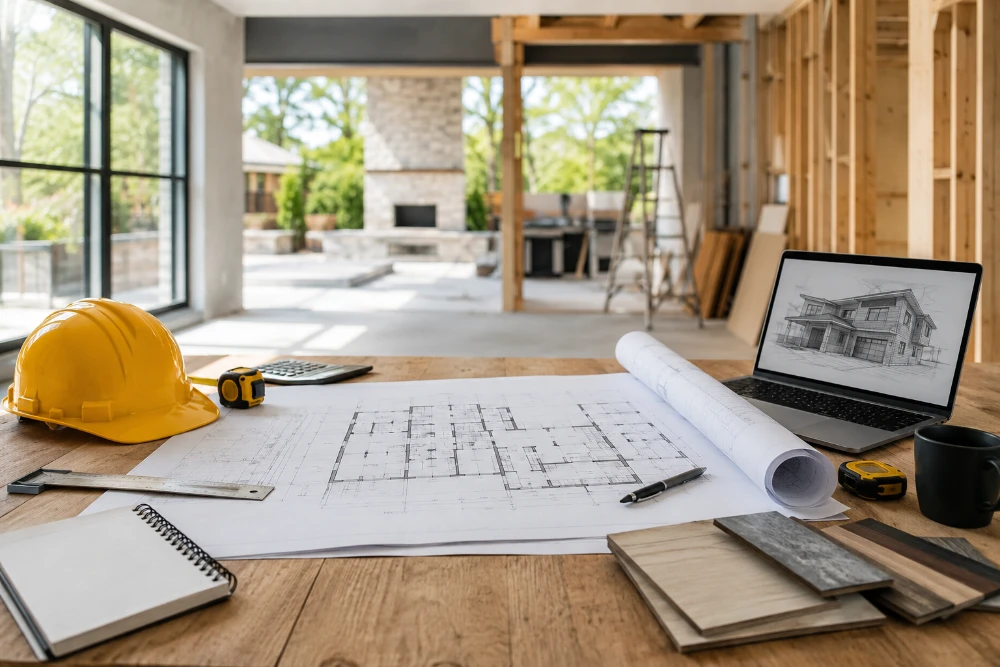
Behind every successful renovation or construction project is a strong foundation of preparation long before any physical work begins. Whether it’s a custom home, a farmhouse renovation, an outdoor entertainment area, or a modern interior upgrade, proper pre-construction planning often determines how smoothly the entire project will progress.
Many homeowners focus mainly on design inspiration and final results, but experienced builders understand that thoughtful preparation is what keeps projects organized, efficient, and financially manageable. Careful planning during the early stages helps reduce delays, avoid unnecessary expenses, and create a better experience for everyone involved.
Establishing Clear Project Goals
One of the biggest causes of construction problems is unclear communication at the beginning of a project. Without a detailed plan, misunderstandings can develop between homeowners, designers, subcontractors, and general contractors.
The planning phase helps define important project details early, including:
- Overall project goals and expectations
- Budget limits and financial priorities
- Construction timelines and milestones
- Team responsibilities and communication processes
When everyone involved understands the project direction from the start, there is far less confusion during construction.
Why Budget Planning Matters
Home improvement projects often involve unexpected costs if planning is rushed or incomplete. Strong pre-construction planning allows homeowners and contractors to create more realistic budgets before work begins.
This process usually includes:
- Material pricing and availability
- Labor and installation costs
- Permit and inspection fees
- Contingency funds for unexpected expenses
Accurate budgeting helps homeowners feel more confident about their investment while reducing financial stress throughout the project.
Preventing Delays and Construction Issues
Every renovation or building project comes with potential risks, but identifying them early can prevent major setbacks later. During the planning phase, contractors can evaluate challenges before they impact schedules or budgets.
Common concerns addressed before construction include:
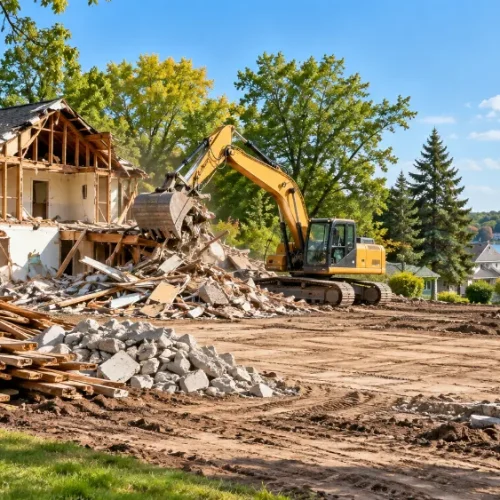
- Site preparation issues
- Building code and permit requirements
- Supply chain delays
- Structural limitations
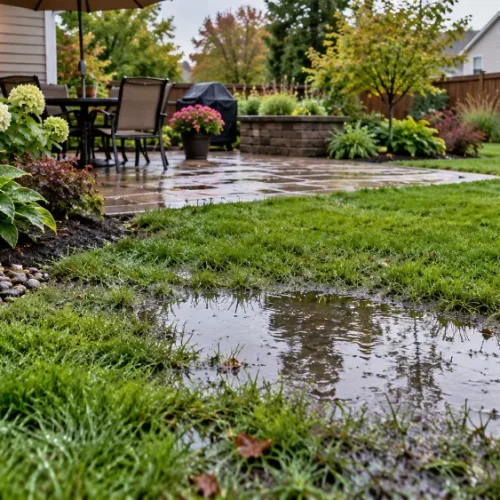
- Weather-related considerations
By resolving these concerns early, projects are more likely to stay on schedule and move forward efficiently.
Improving Scheduling and Workflow
Construction projects involve many moving parts, especially when multiple teams are working together. Proper scheduling during the planning phase helps improve coordination between suppliers, installers, designers, and general contractors.
Effective scheduling helps organize:
- Material deliveries
- Trade coordination
- Inspection timelines
- Installation sequences
This level of organization reduces downtime and helps projects progress more efficiently from start to finish.
Better Collaboration Leads to Better Results
Modern home improvement projects often involve collaboration between several professionals. Architects, interior designers, builders, engineers, and specialty contractors all play important roles in the final outcome.
Strong pre-construction planning creates an opportunity for everyone to communicate before work begins. This helps reduce design conflicts, improve teamwork, and create smoother project execution overall.
When communication is clear early in the process, homeowners are more likely to receive results that match their expectations.
Supporting Long-Term Home Value
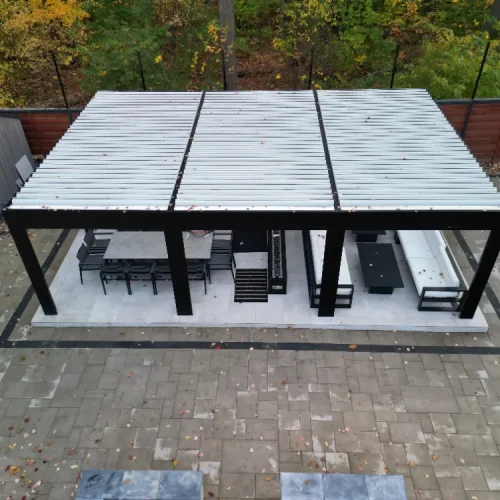
Whether homeowners are remodeling kitchens, adding outdoor living spaces, or improving overall property functionality, proper planning contributes to higher-quality outcomes that can improve long-term value.
Well-organized projects often result in:
- Better craftsmanship
- Improved durability
- Fewer costly changes during construction
- More functional living spaces
Thoughtful planning also allows homeowners to make smarter choices about layouts, materials, and upgrades that support both comfort and future resale appeal.
Final Thoughts
Successful construction and renovation projects rarely happen by accident. Behind every smooth build is a strong planning process that helps manage budgets, timelines, communication, and expectations.
Investing time into proper pre-construction planning helps homeowners avoid unnecessary stress while creating better overall project outcomes. With strong preparation and experienced general contractors, home improvement projects are far more likely to stay organized, efficient, and successful from beginning to end.