This post contains affiliate links. As an Amazon Associate, I earn from qualifying purchases, at no extra cost to you. See our disclosure policy.
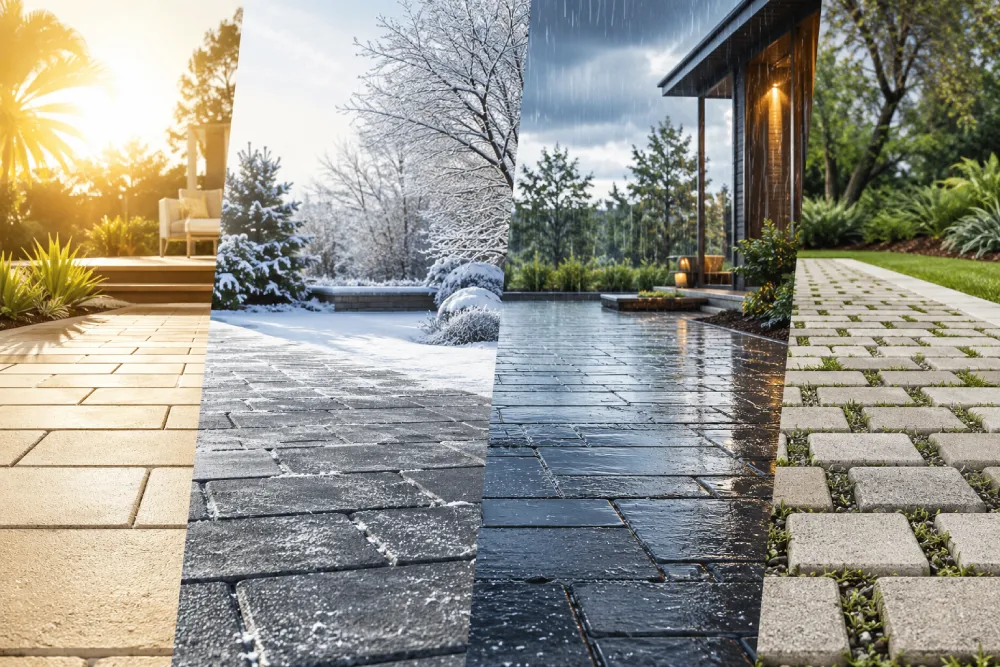
Designing the perfect backyard or patio is an exciting step in transforming your home. In Australia, outdoor spaces act as a natural extension of our indoor living areas, hosting everything from summer barbecues to quiet morning coffees. While it is tempting to focus purely on aesthetics and finding the perfect colour to match your landscaping, true longevity comes down to selecting materials that can handle your local weather conditions. Australia presents a unique set of environmental challenges, ranging from blistering summer heat to sudden, torrential downpours. By understanding how different masonry materials react to environmental stress, you can create a beautiful outdoor space that lasts for decades without requiring constant repairs.
Beating the Heat in Sun-Drenched Yards
If you live in a region that experiences intense summer sun, temperature control should be your top priority. Paving materials absorb and retain solar energy differently, which drastically impacts how comfortable your yard feels. Concrete, for example, possesses a high thermal mass. This means it absorbs heat throughout the day and releases it slowly overnight. While this thermal flywheel effect helps regulate temperatures in cooler months, unshaded, dark concrete can remain uncomfortably hot long after the sun goes down during the summer.
To improve barefoot comfort, colour choice is critical. Research shows that darker tones like black or charcoal can heat up 10 to 22 percent more than standard grey concrete. In contrast, cream and light grey options remain 5 to 20 percent cooler. For those upgrading their exterior spaces, selecting light-coloured outdoor pavers with a high Solar Reflectance Index helps reflect solar radiation rather than absorbing it. This not only keeps your patio cooler but also helps reduce the cooling load on adjacent buildings. Additionally, terracotta and clay options emit absorbed heat energy rapidly, contributing to lower nighttime surface temperatures in built-up areas.
Surviving Frost and Freezing Temperatures
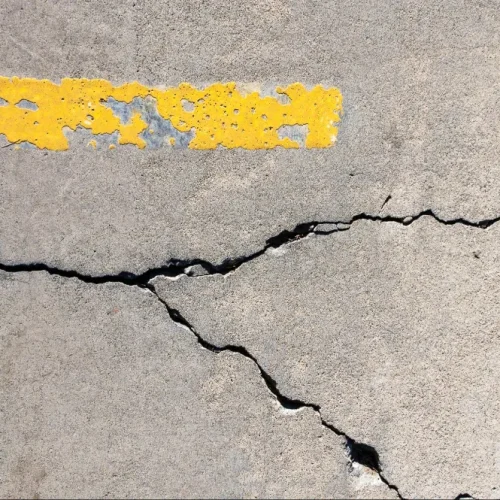
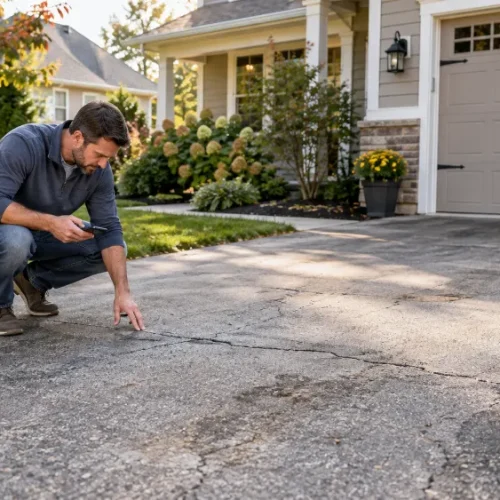
For those in cooler climates where winter brings frost and freezing temperatures, porosity is the biggest threat to hardscaping. When porous building materials absorb moisture, that trapped water expands as it freezes, placing immense physical stress on the structure. Over time, this freeze-thaw cycle leads to surface flaking and deep structural cracks.
When choosing materials for frost-prone areas, it is vital to understand the science behind this degradation. A detailed study by the National Institute of Standards and Technology demonstrated that crack volumes in cementitious materials consistently increase as the level of water saturation rises (tested at 75%, 90%, 95%, and 100% saturation) when exposed to freezing and thawing temperatures. To prevent this kind of damage, homeowners in cold climates should prioritise low-porosity materials. High-temperature fired clay bricks are exceptionally durable because the firing process creates a dense brick that resists moisture penetration, ensuring it remains intact through freezing winters.
Managing Heavy Rain and Stormwater
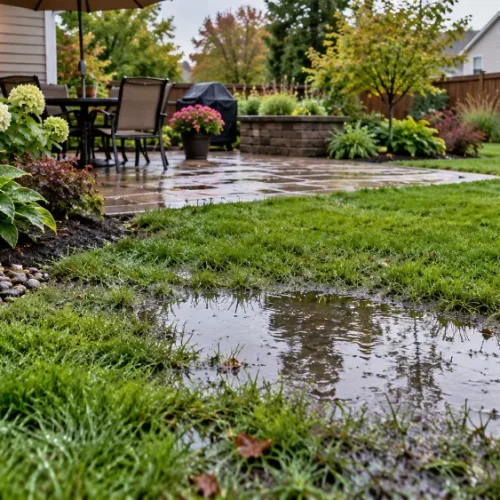
In areas prone to heavy rainfall or flash flooding, safety and drainage become paramount. The Australian Standard for slip resistance (AS 4586:2013) sets strict requirements for pedestrian surfaces to prevent accidents in wet conditions. For high-risk wet areas like pool surrounds, external stairs, and sloped walkways, industry guidelines mandate materials that achieve a P4 or P5 slip resistance rating. Textured natural stone, honed concrete, and specific anti-slip sealers are excellent choices for easily meeting these compliance standards without sacrificing aesthetic appeal.
Beyond slip resistance, managing stormwater runoff is critical for protecting your property. Permeable interlocking concrete pavements are becoming a foundational element in modern landscape design to mitigate flooding caused by extreme weather events. These intelligent drainage systems offer several key advantages:
- They manage heavy stormwater runoff directly at the source, with field tests in New South Wales demonstrating infiltration rates ranging from 125 mm/h to over 25,000 mm/h.
- They mechanically and biologically filter out up to 80 percent of sediment and 70 percent of heavy metals when installed over a correct sub-base.
- They reduce the burden on local stormwater infrastructure, protecting nearby waterways from toxic urban runoff.
- They help maintain natural groundwater levels, which benefits surrounding garden beds and trees during drier periods.
Long-Term Maintenance and Durability
Even the most weather-appropriate materials require a degree of upkeep to maintain their appearance and structural integrity. Clay products feature exceptional colour-fastness because their hues are baked throughout the entire body of the brick during the high-temperature firing process, meaning they will not fade under intense UV rays. Concrete varieties offer an incredible range of geometric shapes and modern large-format sizes, but their surface colours can fade over time if they are left completely unprotected from the elements.
Proper maintenance routines are essential for maximising the lifespan of your chosen materials. Whether you are dealing with moss growth in damp climates or UV fading in sunny regions, protective treatments make a significant difference. As we have highlighted in our previous home improvement articles discussing the benefits of skilled paver sealing, applying the right protective coat prevents water ingress and guards against long-term colour degradation.
Making the Right Choice
Selecting the perfect hardscaping materials requires balancing visual appeal with practical climate considerations. Whether you are mitigating summer heat with light-coloured materials, preventing frost cracks with dense bricks, or managing heavy rain with permeable surfaces, the local environment should dictate your material choices. By taking the time to evaluate your local weather patterns and committing to proper maintenance, you can confidently invest in a patio or driveway that looks stunning and performs beautifully year after year.