This post contains affiliate links. As an Amazon Associate, I earn from qualifying purchases, at no extra cost to you. See our disclosure policy.
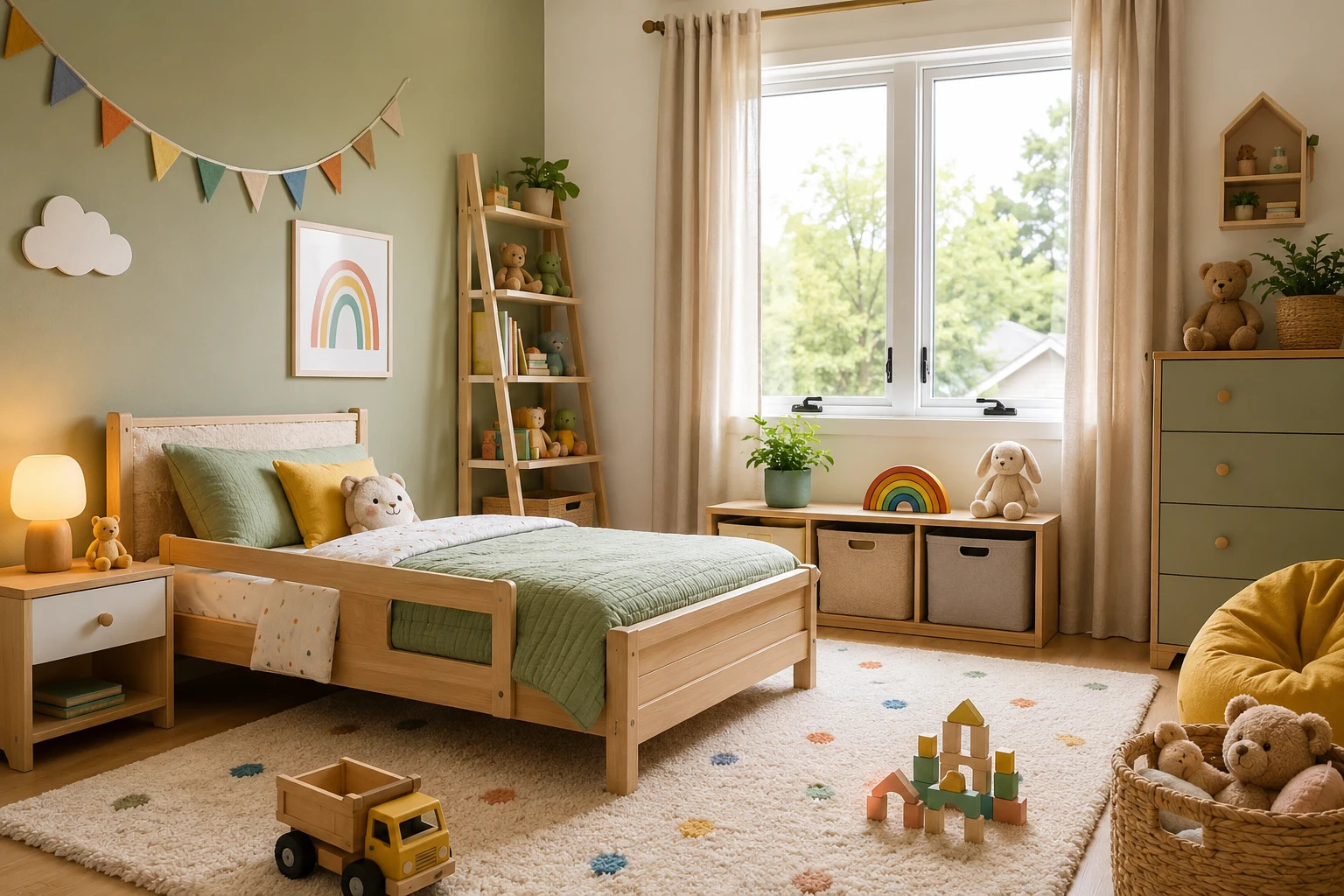
Designing a bedroom for a child is one of the most rewarding do-it-yourself projects a parent can undertake. It is incredibly fun to pick out vibrant colours, whimsical wallpaper, and miniature furniture that reflects their growing personality. However, beneath the beautiful styling and clever storage solutions, the primary function of a child’s bedroom is to provide a completely secure environment. Balancing gorgeous interior design with strict childproofing can seem challenging, but the right approach ensures you never have to compromise on either aesthetic appeal or safety.
Creating a space that encourages independent play while giving parents peace of mind requires a bit of strategic planning. By addressing structural vulnerabilities first, selecting the right furnishings, and adding smart finishing touches, you can create a beautiful sanctuary. As your child grows, their needs will change, but a foundational focus on security will always remain relevant. Here is a comprehensive guide to the essential upgrades every child-friendly bedroom needs.
Securing the Room from the Outside In
Before you even begin assembling flat-pack furniture or laying down new rugs, it is crucial to assess the permanent fixtures in the room. Children are naturally curious climbers. As they become more mobile, a seemingly innocent view of the garden can quickly become a serious hazard if the windows are easily accessible. Addressing these structural elements before moving anything into the space is the smartest way to start your room makeover.
The statistics surrounding window-related accidents are sobering for any parent. According to Australian product safety legislation, window safety devices must restrict openings to no more than 12.5cm to prevent tragic accidents. This critical measure was introduced after numerous young children were hospitalised in New South Wales during a single year due to preventable falls. Taking these regulations seriously is a fundamental part of preparing any upper-floor or ground-floor bedroom.
To ensure your home complies with these essential guidelines and keeps your little ones secure, installing reliable safety devices for windows should be at the very top of your renovation checklist. These discreet restrictors and locks can be seamlessly retrofitted to timber or aluminium frames by professionals. Because modern designs are quite subtle, they will blend right in with your window treatments without disrupting the overall aesthetic of the room.
Choosing and Arranging Safe Furniture
Once the perimeter of the bedroom is secure, you can begin planning the layout. The arrangement of your furniture plays a massive role in day-to-day safety. As a general rule, never place beds, low dressers, or toy boxes directly under a window. These items can easily be used as stepping stones by a curious child. Keep the area around windows completely clear, and make sure any heavy pieces of furniture are anchored securely to the wall to prevent them from tipping over.
The bed is undoubtedly the centrepiece of the room, and selecting the right one requires careful consideration of both style and stability. When planning your layout, you want to invest in hazard-free construction that will last for years. If you are exploring different options, reading up on what is the safest type of wooden bed for children will help you find a sturdy frame featuring non-toxic finishes, solid joints, and appropriate guardrails.
Beyond the bed, opt for dressers and shelving units with rounded edges. If you have inherited vintage furniture or picked up a budget-friendly secondhand piece, you can easily attach silicone corner protectors to soften any sharp angles. Upgrading the hardware on drawers to include soft-close mechanisms is another fantastic weekend project that will save little fingers from getting pinched during independent playtime.
Smart Design Choices for a Play-Friendly Space
With the heavy lifting done and the major safety concerns addressed, it is time to focus on the decorative elements that make the room feel special. A child-friendly space needs to be incredibly resilient. It must withstand spilled drinks, roughhousing, and the daily scattering of hard plastic toys. Fortunately, modern home decor offers plenty of options that look great while supporting a safe play environment.
Consider incorporating the following design upgrades to finish off your child’s bedroom:
- Low-VOC Paint: Choose high-quality paints with low or zero volatile organic compounds. This simple swap significantly improves indoor air quality, reducing the risk of respiratory irritation for sleeping toddlers.
- Cordless Window Coverings: Traditional blinds with dangling cords pose a severe strangulation risk. Opt for cordless cellular shades or blackout curtains, which are much safer and do an excellent job of blocking out morning light.
- Plush Washable Rugs: Hardwood floors look beautiful, but they can be unforgiving during a fall. Layering a thick, machine-washable rug provides a soft landing pad for active kids and makes cleaning up inevitable messes a breeze.
- Soft-Sided Storage: Heavy wooden toy chests with heavy lids can trap small hands. Instead, use canvas bins, woven cotton baskets, or soft-sided fabric cubbies to organise toys safely at floor level.
Building a Sanctuary for the Future
Designing a child’s bedroom is ultimately about finding the perfect harmony between form and function. By taking the time to implement vital safety upgrades alongside your decorative choices, you create an environment where your child can safely sleep, learn, and play independently. These foundational improvements provide the ultimate peace of mind for parents navigating the busy years of early childhood.
With sturdy furniture, secure windows, and thoughtful decor, you will build a beautiful room that both you and your child will love for years to come. Remember that as your family grows, the room can easily be updated with new bedding and accessories without ever compromising on the core safety features you have so carefully put into place.
FAQs
Securing windows with restrictors or locks is one of the most critical upgrades because it helps prevent dangerous falls and keeps curious children safe.
Heavy furniture can tip over if a child climbs or pulls on it, so wall anchors add an essential layer of protection.
Bunk beds are generally not recommended for very young children, especially under six years old, due to the risk of falls.
Soft flooring options like plush rugs or padded carpets help cushion falls and create a more comfortable play area.
Cordless blinds eliminate hanging cords that can pose serious strangulation hazards for toddlers and young children.
Low-VOC paint contains fewer harmful chemicals, which helps improve indoor air quality and reduces respiratory irritation.
Using soft-sided bins and lightweight baskets helps avoid pinched fingers and injuries caused by heavy lids or sharp corners.
No, beds and other climbable furniture should be kept away from windows to reduce the risk of children climbing near them.
Look for sturdy construction, rounded edges, non-toxic finishes, and guardrails where appropriate for added safety.
Parents should reassess the room regularly as children grow because climbing ability, curiosity, and safety needs change over time.