Some home repairs can comfortably wait until the weekend. Plumbing problems are different. Water can travel behind cabinets, under flooring, through drywall, and into spaces you rarely see, turning what looks like a small issue into a much more complicated home repair.
For homeowners who enjoy tackling DIY projects, knowing what you can safely handle yourself is useful. Just as important, though, is recognizing when a plumbing problem has moved beyond a simple fix. A dripping faucet may be manageable with a few basic tools, while a burst pipe, sewage backup, or unexplained loss of water pressure deserves much faster attention.
Understanding the warning signs can help you protect your home, reduce unnecessary water waste, and avoid tearing into freshly painted walls or recently updated rooms later. When the problem requires more than a simple homeowner repair, knowing how to find dependable Plumbing Services Near Me can make an already stressful situation much easier to manage.
Why Plumbing Problems Can Become Expensive So Quickly
Plumbing is mostly hidden. Supply lines run through walls, drainpipes disappear beneath floors, and many connections sit behind appliances, cabinets, or fixtures. That means a leak can sometimes continue for days or even weeks before there is an obvious puddle.
Instead, the first clue might be something subtle:
- A musty smell inside a cabinet
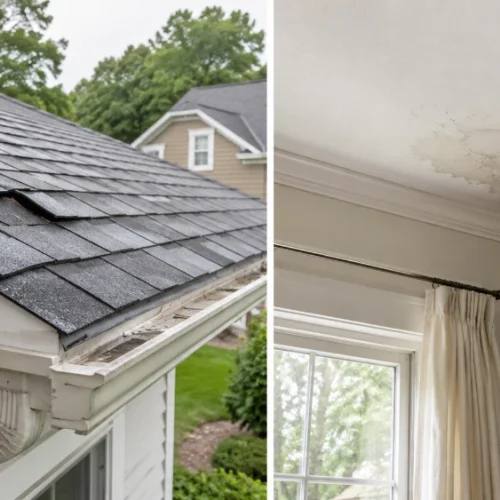
- A water stain spreading across a ceiling
- Paint beginning to bubble or peel
- A floorboard that suddenly feels soft
- An unexplained increase in water usage
- Reduced water pressure at one or more fixtures
Spotting these changes early matters. Water damage can affect drywall, cabinetry, flooring, insulation, paint, and even structural materials. For anyone who spends time improving and decorating their home, preventing moisture damage is usually far easier than repairing everything after a serious leak.
1. Burst or Seriously Leaking Pipes
A burst pipe is one of the clearest plumbing emergencies. Water may begin pouring from a ceiling, wall, cabinet, basement pipe, or exposed plumbing connection, and the amount of damage can increase quickly.
Pipes can fail for several reasons. Freezing weather is one possibility, particularly when plumbing runs through poorly insulated spaces. Corrosion, aging materials, excessive pressure, damaged fittings, accidental impact, and deteriorated connections can also cause leaks.
If you discover a significant pipe leak, your first priority is controlling the water rather than figuring out how the pipe failed.
What to Do First
- Shut off the water. Use the nearest fixture shutoff valve if the leak is isolated. For a major leak, turn off the home’s main water supply.
- Move belongings away from the area. Protect rugs, furniture, electronics, baskets, décor, and anything else that could absorb water.
- Use buckets and towels to contain what you can. This will not solve the plumbing problem, but it can limit the spread of water.
- Be careful around electricity. Water near outlets, wiring, appliances, or the electrical panel creates additional hazards.
- Arrange for professional repairs. A pipe that has split or failed usually needs more than a temporary patch.
It is also worth learning where your main water shutoff is before an emergency happens. Labeling it clearly can save valuable time when water suddenly starts entering the house.
2. Sewer or Drain Backups
A single slow sink is annoying. Several drains backing up at the same time can point to a much larger issue.
A sewer or main drain problem may affect toilets, showers, sinks, tubs, and floor drains. You might hear gurgling noises when another fixture drains, notice wastewater appearing where it should not, or detect persistent unpleasant odors.
Common warning signs include:
- Several drains becoming slow at once
- Water backing up into a bathtub or shower
- A toilet bubbling when a nearby sink drains
- Repeated clogs that return soon after clearing
- Strong sewage odors inside or around the home
- Wastewater appearing through floor drains
A small clog close to a sink or shower may be something you can clear yourself. A whole-house backup is different. Continuing to run water, flush toilets, or operate a washing machine can send additional wastewater into an already compromised drainage system.
When multiple fixtures are involved, reduce water use until the cause has been identified.
3. Hidden Leaks Behind Walls, Cabinets, or Floors
Not every urgent plumbing problem announces itself with spraying water. Slow hidden leaks are especially troublesome because they can damage a home quietly.
Consider what is located around your sinks, tubs, showers, toilets, dishwasher, washing machine, refrigerator, and water heater. Many of these areas contain supply connections or drainage components that can develop small leaks.
A connection dripping beneath a sink may eventually swell the cabinet base. A refrigerator supply line can leak behind the appliance. Moisture from an upstairs bathroom may first appear as a stain on the ceiling below.
Signs of a Hidden Plumbing Leak
| What You Notice | What It May Suggest |
|---|---|
| Musty or damp odor | Moisture may be collecting in an enclosed area |
| Brown or yellow ceiling stain | A plumbing fixture or pipe above may be leaking |
| Peeling or bubbling paint | Moisture may be reaching the wall surface |
| Warped flooring | Water may be collecting underneath the finished floor |
| Damp cabinet interior | A supply valve, faucet connection, or drain could be leaking |
| Water usage increases unexpectedly | A hidden leak or continuously running fixture may be responsible |
A quick monthly look under sinks can reveal problems before they spread. Run your hand along visible pipes and fittings, look for staining, and check the cabinet floor for swelling or dampness.
Preventing unnecessary leaks also supports sensible water conservation. Saving water is not only about shorter showers or turning off the faucet while brushing your teeth; maintaining the fixtures and plumbing that carry water throughout your home matters too.
4. A Sudden Drop in Water Pressure
Low water pressure is sometimes caused by something simple, such as mineral buildup in a faucet aerator or showerhead. A sudden change throughout the house, however, deserves more attention.
If several fixtures lose pressure at roughly the same time, possible causes can include a leaking pipe, supply issue, faulty pressure regulator, or problem elsewhere in the plumbing system.
Start by determining how widespread the problem is.
- Only one faucet: Check the aerator for debris or buildup.
- Only one shower: The showerhead may need cleaning.
- One bathroom or area: A localized valve or pipe may be involved.
- The entire house: The main supply or another larger plumbing problem may need investigation.
If reduced pressure arrives alongside damp walls, unexplained water sounds, wet areas outdoors, or unusually high water usage, do not assume it is simply an inconvenient fixture problem.
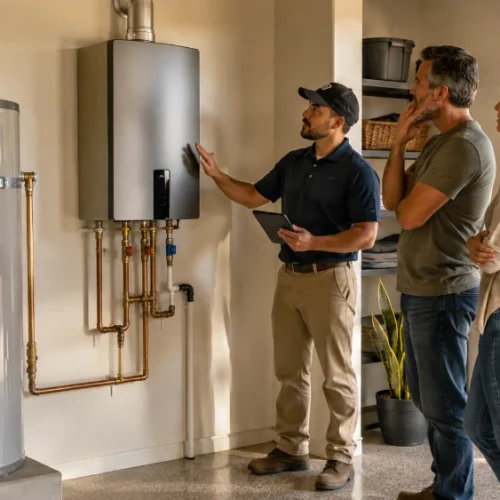
5. Water Heater Leaks or Failure
The water heater often sits quietly in a garage, basement, utility room, or closet until something goes wrong. Because it stores or handles a substantial amount of water, a leak can quickly affect the surrounding floor and walls.
Watch for puddles around the base, corrosion, rusty water, inconsistent temperatures, unusual noises, or dripping connections.
Water appearing near a heater does not automatically mean the entire unit must be replaced. The source could be a fitting, valve, or nearby pipe. However, water leaking from the tank itself can indicate a more serious problem.
If the unit is leaking significantly, shut off its water supply if you can do so safely and follow the manufacturer’s instructions for shutting down its energy source. Gas and electrical components make water-heater repairs an area where DIY work can quickly become more complicated.
What About Dripping Faucets and Running Toilets?
Not every plumbing problem requires an emergency call, but smaller problems still deserve attention.
A dripping faucet or running toilet may continue wasting water every day until it is repaired. These issues can sometimes be handled with straightforward replacement parts, depending on the fixture and your comfort level with basic plumbing work.
If you are already working toward a more efficient home, efficient fixtures can complement appliances and products associated with programs such as Energy Star Appliance Certification. Energy and water efficiency are separate considerations, but together they can help reduce the resources a household uses during everyday routines.
The important thing is not to dismiss a small plumbing problem simply because it is not causing visible damage yet.
A Simple Plumbing Check You Can Add to Your Home-Maintenance Routine
Plumbing maintenance does not need to become an elaborate project. A few minutes once a month can help you become familiar with what is normal in your home.
During a quick walkthrough, check:
- Under every sink for moisture or staining
- Around toilets for movement, dampness, or discoloration
- Washing machine hoses and connections
- Dishwasher supply and drain areas
- The floor around the water heater
- Ceilings below upstairs bathrooms
- Outdoor faucets and exposed pipes
- Water pressure at commonly used fixtures
- Drains that have started emptying more slowly than usual
You do not need to take your plumbing apart. The point is simply to notice changes.
Someone who checks beneath the kitchen sink every month is far more likely to notice a new water mark than someone who has not looked inside the cabinet for a year.
Can Smart-Home Devices Help Detect Leaks?
Technology can provide another layer of protection, particularly when leaks happen while no one is home.
Small moisture sensors can be positioned near water heaters, washing machines, sinks, toilets, refrigerators, and other locations where leaks are more likely to occur. Some connect to a home’s Wi-Fi or broader Smart Home Ecosystem Configuration and send an alert when moisture is detected.
More advanced systems may monitor household water flow and identify unusual patterns. Some can even shut off the main supply automatically when they detect a potentially serious leak.
These devices do not replace basic maintenance, but they can be helpful in areas that are rarely inspected.
DIY Repair or Professional Plumber?
If you enjoy home improvement, it can be tempting to treat every plumbing problem as another DIY project. Plenty of basic tasks are approachable, but knowing where to stop is part of responsible DIY work.
| Problem | DIY May Be Reasonable | Consider Professional Help |
|---|---|---|
| Dripping faucet | Replacing a basic washer, cartridge, or aerator | Leak continues or fixture is damaged |
| Slow drain | Removing visible hair or cleaning a stopper | Several drains are affected |
| Running toilet | Replacing common tank components | Water is leaking around the toilet base |
| Minor exposed fitting leak | Tightening a clearly loose connection if appropriate | Pipe or fitting is corroded or damaged |
| Burst pipe | Shutting off water and containing damage | Professional repair is generally appropriate |
| Sewer backup | Stop using affected fixtures | Professional assessment is usually necessary |
| Water heater problem | Visual inspection | Tank, gas, or electrical work is involved |
DIY should make your home safer and easier to maintain, not create additional risk. If you are unsure what a pipe does, cannot confidently isolate the water, or would need to open significant portions of a wall or floor, professional help may be the more practical choice.
How to Find a Reliable Plumber
When water is leaking into your home, it is easy to hire the first company that answers the phone. Taking a few minutes to verify the basics can still be worthwhile whenever the situation allows.
Look for Appropriate Licensing and Insurance
Plumbing requirements differ depending on where you live. Check the requirements in your state or municipality and verify applicable credentials rather than relying only on advertising language.
Ask What the Estimate Includes
A useful estimate should help you understand the problem, the recommended repair, labor charges, parts, and any additional costs that might reasonably occur.
For emergency work, ask whether there are additional evening, weekend, travel, or service-call fees.
Read Reviews for Patterns
One unusually positive or negative review rarely tells the full story. Look for repeated comments about communication, punctuality, workmanship, cleanup, and whether the final bill was reasonably consistent with the estimate.
Ask About Workmanship Guarantees
Find out whether the plumber warranties the repair and what that warranty actually covers.
Think About the Rest of Your Home Too
A professional may need to enter bedrooms, bathrooms, kitchens, utility areas, or spaces used by children and pets. If you have young children, the same safety-conscious approach you use when researching Childproofing Compliance Standards can be applied during home repairs: keep tools, removed hardware, open access panels, and work materials out of reach.
If plumbing work is part of a larger remodel, you may also be considering lower-impact products or Eco-Friendly Building Materials. Asking about fixture efficiency and durable replacement materials can help you make decisions that fit the rest of your renovation.
What Affects the Cost of an Emergency Plumbing Repair?
There is no single price for emergency plumbing because the amount of work required can vary considerably.
Several factors may influence the final cost:
- Type of problem: Replacing a small component differs significantly from repairing a burst pipe.
- Location of the damage: An exposed pipe is usually easier to reach than plumbing behind tile, cabinetry, or drywall.
- Time of service: Nights, weekends, and holidays may carry emergency service charges.
- Parts required: Specialized valves, fixtures, piping, or other components can affect material costs.
- Secondary damage: Plumbing repairs may solve the leak without repairing damaged drywall, flooring, cabinetry, or paint.
- Local labor rates: Costs naturally differ from one region to another.
This is another reason fast action matters. Repairing the source of a leak is one expense. Replacing flooring, repainting a ceiling, removing damaged drywall, and repairing cabinetry because the water continued spreading can be another project entirely.
Build a Small Plumbing Emergency Kit
A few inexpensive supplies can make it easier to respond when something starts leaking.
Consider keeping these together in an accessible location:
- A flashlight
- Absorbent towels or old bath towels
- A bucket
- Work gloves
- An adjustable wrench
- A basic plunger
- Your plumber’s contact information
- A note showing the location of the main water shutoff
If several people live in the house, make sure more than one person knows where the main shutoff valve is and how to use it. That simple bit of household knowledge can be more valuable during a plumbing emergency than an entire box of tools.
Don’t Forget the Cleanup After a Leak
Stopping the water is only the first part of dealing with a plumbing leak.
Once repairs are complete, inspect the surrounding area. Dry damp surfaces thoroughly, remove saturated materials that cannot be properly dried, and continue checking the area over the next several days.
Pay particular attention to:
- Cabinet bases
- Baseboards
- Drywall
- Carpet padding
- Wood or laminate flooring
- Insulation
- Closets or wall cavities near the original leak
Painting over a water stain before the underlying area has dried does not solve the moisture problem. Take care of the cause first, make sure affected materials are dry and sound, and then move on to cosmetic repairs.

Small Plumbing Habits Can Protect the Rest of Your Home
Plumbing may not be the most visually exciting part of home improvement, but it supports nearly every room in the house. Kitchens, bathrooms, laundry rooms, utility spaces, and even outdoor living areas depend on water reaching the right place and leaving safely afterward.
The best approach is a combination of simple preventive maintenance and knowing when a problem requires professional attention. Check beneath sinks. Pay attention when drains become slower. Investigate new stains instead of painting over them. Know where your main water shutoff is. And do not ignore a problem simply because the leak looks small today.
A home that is cared for consistently is easier to decorate, renovate, and enjoy. By catching plumbing problems early and bringing in qualified help when necessary, you can spend less time reacting to household emergencies and more time working on the projects that actually make your home feel like your own.