Owning or managing a commercial property involves much more than responding to repairs as they arise. Every building experiences wear and tear from weather, daily use, environmental exposure, and aging infrastructure. Without regular maintenance, small problems can quickly become expensive repairs that disrupt business operations and reduce the value of the property.
This is why many property managers prioritize preventative maintenance instead of waiting until something breaks. Working with professional Commercial Cleaning Services and building maintenance providers helps businesses keep their properties in excellent condition while reducing long-term operating costs.
Preventative maintenance is not simply about keeping a building looking clean.
It is about protecting one of a company’s most valuable investments.
Small Problems Become Expensive Repairs
One of the biggest reasons preventative maintenance saves money is that small issues rarely remain small.
A clogged drain can eventually cause water damage.
Dirty exterior surfaces can deteriorate over time.
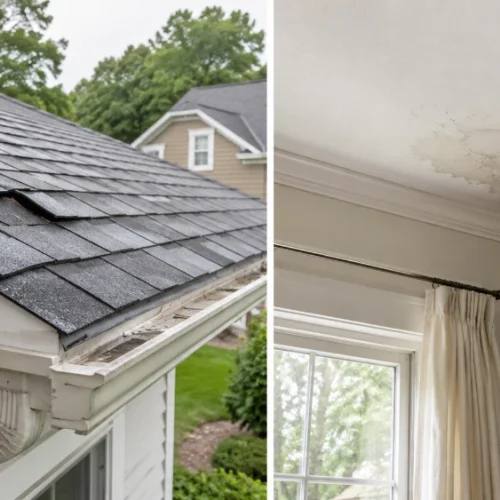
Blocked gutters can contribute to roof leaks.
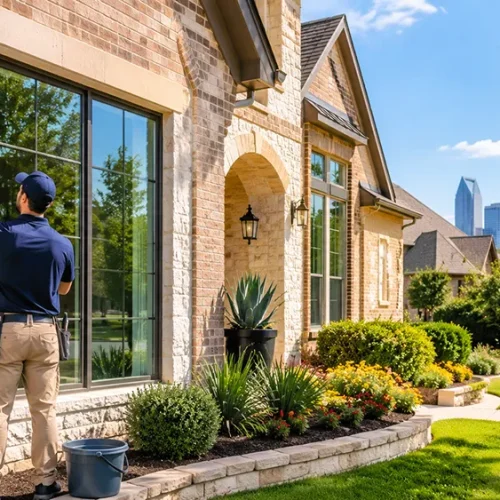
Neglected windows and building facades may require costly restoration instead of routine cleaning.
Addressing these issues early often requires far less time and money than repairing major damage later.
Regular maintenance helps identify problems before they become emergencies.
Exterior Maintenance Protects Building Materials
Commercial buildings are constantly exposed to:
- Rain
- Snow
- Wind
- Sunlight
- Pollution
- Dirt
- Organic growth
Over time, these elements can affect exterior surfaces if they are not properly maintained.
Routine cleaning helps remove contaminants that may contribute to premature wear.
Common areas that benefit from regular maintenance include:
- Exterior walls
- Windows
- Sidewalks
- Parking areas
- Entryways
Protecting building materials helps extend their lifespan and reduces future replacement costs.
Clean Buildings Create Better First Impressions
The exterior of a commercial property is often the first thing customers, tenants, employees, and visitors notice.
A clean, well-maintained property communicates professionalism and attention to detail.
Benefits include:
- Stronger curb appeal
- Greater customer confidence
- Improved tenant satisfaction
- Better business reputation
First impressions influence how people perceive a business long before they enter the building.
Routine maintenance helps ensure that first impression remains positive.
Preventative Maintenance Extends Equipment Life
Commercial properties rely on numerous building systems to operate efficiently.
These may include:
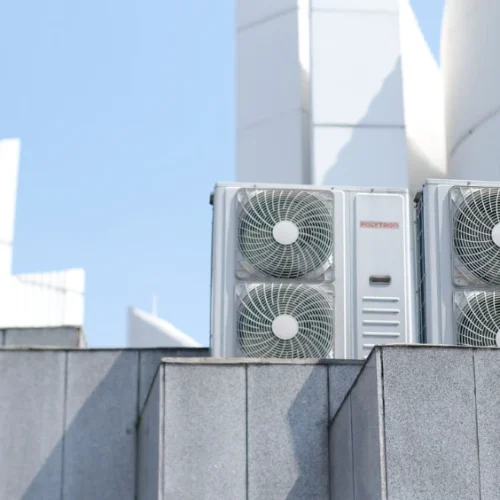
- HVAC equipment
- Roofing systems
- Drainage systems
- Windows
- Exterior lighting
- Building facades
Routine inspections and maintenance help reduce unnecessary wear on these systems.
Keeping equipment clean and functioning properly often extends its useful life.
Replacing major building components is significantly more expensive than maintaining them.
Regular Cleaning Helps Prevent Long-Term Damage
Dirt and debris are not only cosmetic concerns.
Over time they can contribute to deterioration.
For example:
- Organic growth may affect exterior surfaces.
- Debris may block drainage systems.
- Dirt accumulation may increase wear on high-traffic areas.
- Pollutants may stain building materials.
Routine cleaning helps minimize these risks before permanent damage develops.
Consistent maintenance protects both appearance and structural integrity.
Maintenance Improves Safety
Building maintenance also plays an important role in creating safer environments.
Routine inspections may identify hazards such as:
- Slippery walkways
- Damaged sidewalks
- Blocked exits
- Poor visibility
- Water accumulation
- Loose exterior materials
Addressing these concerns early helps reduce the likelihood of accidents.
Safer properties benefit employees, visitors, customers, and tenants alike.
Preventative maintenance supports both operational safety and liability reduction.
Early Detection Reduces Emergency Repairs
Emergency repairs are often expensive because they require immediate attention.
Unexpected failures may also occur outside normal business hours, increasing repair costs.
Routine maintenance allows building managers to identify issues before they become urgent.
Examples include:
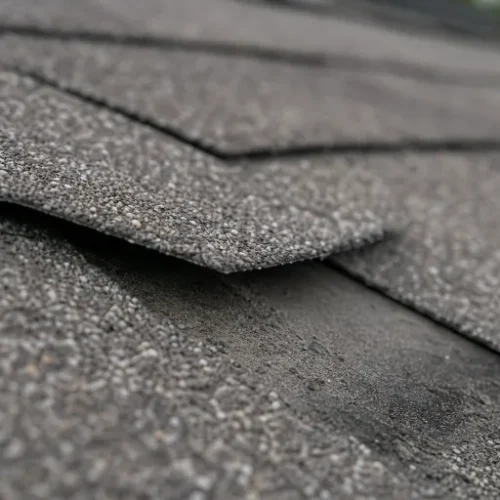
- Minor roof damage
- Small plumbing leaks
- Window seal failures
- Drainage problems
- Exterior deterioration
Early intervention typically costs much less than emergency restoration.
Planning ahead helps control maintenance budgets.
Energy Efficiency Improves With Proper Maintenance
A well-maintained building often operates more efficiently.
Clean windows increase natural lighting.
Proper drainage protects insulation.
Well-maintained building systems operate more effectively.
Preventative maintenance may contribute to:
- Lower utility costs
- Improved heating and cooling efficiency
- Better indoor comfort
- Reduced energy waste
Although maintenance itself requires investment, improved efficiency can help offset operating expenses over time.
Property Value Is Easier to Protect
Commercial buildings represent significant long-term investments.
Maintaining the property helps preserve its market value.
Potential buyers, investors, and tenants often evaluate:
- Building appearance
- Maintenance history
- Exterior condition
- Cleanliness
- Overall presentation
Properties that receive consistent care generally maintain stronger long-term value than those requiring extensive deferred maintenance.
Protecting value is often less expensive than restoring neglected buildings.
Tenants Appreciate Well-Maintained Properties
For commercial property owners, tenant satisfaction is extremely important.
Clean, attractive buildings create more enjoyable environments for businesses operating within them.
Well-maintained properties may contribute to:
- Higher tenant retention
- Increased satisfaction
- Fewer maintenance complaints
- Stronger occupancy rates
Businesses appreciate buildings that reflect positively on their own operations.
Preventative maintenance benefits both property owners and tenants.
Maintenance Helps Preserve Brand Image
Every business communicates something through the appearance of its facilities.
Dirty windows, stained sidewalks, neglected landscaping, or deteriorating exteriors may unintentionally create negative impressions.
A clean property demonstrates:
- Professionalism
- Organization
- Attention to detail
- Pride in the business
Customers often associate building appearance with service quality.
Protecting a company’s physical environment also helps protect its brand reputation.
Preventative Maintenance Simplifies Budgeting
Reactive maintenance often creates financial uncertainty.
Unexpected repairs can disrupt annual budgets and require emergency spending.
Preventative maintenance provides greater predictability.
Rather than facing sudden large expenses, businesses can plan for routine maintenance throughout the year.
Predictable maintenance costs make financial planning easier.
They also reduce the likelihood of expensive surprises.
Seasonal Maintenance Prevents Weather-Related Damage
Each season presents unique challenges for commercial buildings.
Winter may bring snow and ice.
Spring often introduces heavy rain.
Summer exposes buildings to heat and UV radiation.
Autumn can produce leaves that block gutters and drainage systems.
Seasonal maintenance helps prepare buildings before weather conditions create problems.
Examples include:
- Gutter cleaning
- Exterior washing
- Window cleaning
- Drain inspections
- Surface cleaning
Preparing for seasonal changes helps reduce weather-related damage.
Professional Maintenance Supports Business Continuity
When buildings remain clean and well maintained, businesses experience fewer interruptions.
Employees can work comfortably.
Customers enjoy safer environments.
Visitors experience cleaner facilities.
Reducing maintenance-related disruptions helps organizations focus on serving customers instead of managing avoidable property problems.
Reliable facilities support reliable business operations.
The Long-Term Financial Benefits
Although preventative maintenance requires ongoing investment, it often reduces total ownership costs over the life of a commercial property.
Long-term benefits may include:
- Lower repair expenses
- Extended equipment lifespan
- Reduced emergency maintenance
- Improved property value
- Better energy efficiency
- Increased tenant satisfaction
- Stronger customer impressions
- More predictable budgeting
Rather than viewing maintenance as an expense, many property owners consider it an investment in protecting valuable assets.
Over time, consistent care often proves significantly less expensive than deferred maintenance.
The Takeaway
Preventative building maintenance saves money because it focuses on preventing problems rather than reacting to them after damage has already occurred.
A proactive maintenance strategy helps commercial property owners:
- Identify issues early
- Reduce repair costs
- Extend the lifespan of building systems
- Improve safety
- Increase energy efficiency
- Protect property value
- Enhance customer impressions
- Improve tenant satisfaction
- Create more predictable maintenance budgets
- Support uninterrupted business operations
The goal is not simply to keep a building looking clean.
It is to protect the property’s long-term value while creating a safe, professional, and efficient environment for everyone who uses it.
Businesses that invest in preventative maintenance today are often rewarded with lower operating costs, fewer unexpected repairs, and stronger property performance for many years to come.