Australians have always had a deep connection with the outdoors, but the way we use our backyards has fundamentally shifted over the last few years. The days of a simple patio with a plastic table are long gone. Today, the focus is on creating a functional, weather-proof outdoor space that serves as a genuine extension of the home. As relocation costs rise and land availability shrinks across the country, homeowners are increasingly choosing to maximise the long-term liveability of their current properties. By treating the backyard with the same design attention as an interior living space, you can create a relaxing retreat that remains comfortable from the heat of January right through to the chill of July. Whether you are entertaining guests on a weekend or simply enjoying a quiet morning coffee, a well-planned alfresco area adds immense value to your lifestyle.
Bridging the Gap Between Inside and Out
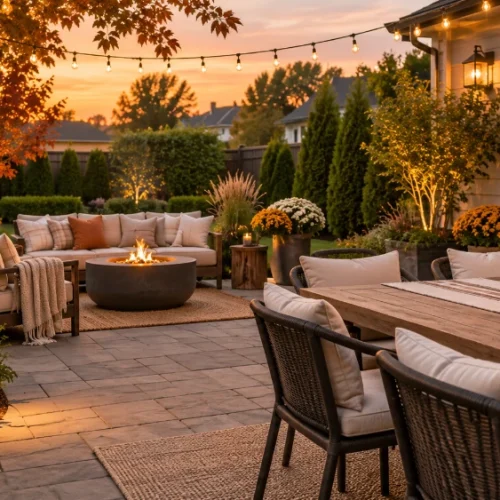
The most successful outdoor rooms are those that feel like a natural continuation of the house. According to the Housing Industry Association, modern covered alfresco areas are now designed with the same meticulous attention to detail as interior living rooms. This means integrating features like ceiling fans, media systems, and plush lounge seating to elevate the standard of comfort.
Getting this transition right requires careful planning regarding layout, flooring, and ambience. When you start exploring ways to create a seamless indoor-outdoor flow naturally, you will find that cohesive material choices and strategic ambient lighting can make the journey from the kitchen to the yard feel completely effortless. It is all about blurring the boundaries so that your exterior space feels like just another room in the house.
Building a Weather Proof Foundation
To create a space you can use year-round, you need to account for local climate volatility. In places known for unpredictable weather conditions, architectural trends are moving away from temporary shade sails or umbrellas in favour of permanent, weather-proof structures. Relying on professional pergola builders Melbourne is one of the best ways to ensure your custom structure can safely withstand high wind gusts while perfectly matching your home’s architectural style. A professionally built timber frame provides the robust skeleton your outdoor room needs.
Once the roof is sorted, you can add high-grade outdoor tracking blinds to enclose the area. Zip-style systems are particularly popular because they block up to 95 percent of UV rays and can handle winds up to 60 kilometres per hour. To extend usability during the colder months, climate-responsive heating has evolved significantly. Homeowners are now installing smart-zoned ambient setups, high-efficiency heat pumps, and electric radiant heating directly beneath their outdoor flooring.
The Value of Permanent Outdoor Structures
Upgrading your backyard is not just about lifestyle benefits, as it also makes excellent financial sense. The Australian home improvement market is heavily driven by consumers investing in renovations that elevate their daily routines. General outdoor living area upgrades deliver a strong average return on investment of around 70 percent, making them one of the most financially rewarding projects alongside kitchen and bathroom remodels.
When looking at higher-end additions, the financial returns become even more impressive. Industry executives have noted that adding a complete outdoor setup with a pergola and decks can boost a property’s overall value by $100,000 or more. In many cases, these comprehensive alfresco setups deliver a 100 to 200 percent return on investment. This data proves that building a well-designed, permanent outdoor room is both a lifestyle upgrade and a smart wealth-building strategy.
Incorporating Biophilic Design and Organic Aesthetics
With the structural and financial elements in place, the final step is styling. Biophilic design, which involves integrating natural materials and living greenery into the built environment, is currently a dominant architectural trend. Recent industry polling highlights that 60 percent of interior design experts rank natural elements as their top trend, noting that spaces rooted in nature help lower stress and improve household wellbeing.
To bring this organic aesthetic into your outdoor living room, consider these design strategies:
- Choose earthy colour palettes: Move away from stark greys and embrace warm tones like olive green, terracotta, and ochre to mimic the natural landscape.
- Utilise native timbers: Landscape architects highly recommend materials like Australian Blackbutt timber. Native wood offers superior durability against harsh sun and rain while seamlessly blending the structure with the surrounding garden.
- Integrate vertical plant life: The Commonwealth Scientific and Industrial Research Organisation has recognised that incorporating living green walls and trailing vines is essential for modernising exterior spaces and improving air quality.
- Add tactile textures: Introduce organic fabrics, rattan furniture, and stone elements to give the space a grounded, relaxing atmosphere.
Designing an outdoor living room is an investment in your home’s functionality and your family’s quality of life. By focusing on a seamless indoor-outdoor transition, building a sturdy and weather-proof foundation, and embracing nature-inspired styling, you can create a beautiful sanctuary. With the right planning, your backyard will quickly become your favourite room in the house, ready to be enjoyed in every season. Embracing the opportunity to reimagine your exterior footprint ensures your property remains a versatile and inviting haven for decades to come.