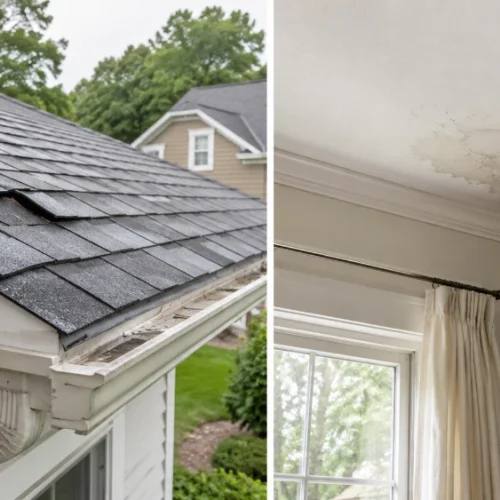
Renovations, both big and small, can make a big difference in how a space looks and functions.. Upgrades such as repainting, bathroom fixture replacements, and built-in storage installations can greatly improve a home’s comfort, organization, and overall appeal.
Depending on the scope of the project, however, preparing the funds to complete these upgrades can be challenging. Most home renovations require a financial commitment to cover labour, materials, and professional services. In this case, access to suitable financing can help homeowners move forward with planned improvements without relying entirely on their savings.
There are different ways to make these costs easier to handle. Among them, a renovation loan in Singapore offers a practical way to manage renovation expenses.
Why Getting a Renovation Loan Is Worth Considering
A renovation loan provides you with a more structured way to finance home improvement projects. Instead of paying all at once, you can spread repayments across a fixed period. This makes larger renovation expenses easier to manage. Also, it enables you to comfortably keep a part of your savings available for emergencies or other financial responsibilities, helping you stay financially prepared during and after the renovation.
One of the main benefits of a renovation loan is that its interest rates are typically lower than those attached to general personal loans or unpaid credit card balances. This difference can make monthly budgeting more predictable, which can be useful during periods when renovation spending is already affecting other household expenses.
Furthermore, comprehensive renovation loans can be used for various renovation-related expenses like electrical work, HVAC systems, and furnishings and appliances. With the right renovation loan, you can finance essential upgrades without making your overall cash flow harder to manage.
Other Tips to Help You Save Money on Renovation Expenses
Even though a renovation loan can make home improvement costs easier to handle, the financial responsibility that comes with it may still affect your finances. In this regard, careful planning and practical spending decisions can help keep renovation costs under control. Here are some ways to reduce renovation expenses while still achieving functional and comfortable living spaces.
1. Set a Clear Renovation Budget Before Work Begins
A well-thought-out home renovation project should always begin with a budget. With this financial plan, you can get a realistic view of how much you can comfortably spend and avoid borrowing more than what the project actually requires.
2. A clear budget should account for the main expenses involved in the project
These include labour costs, materials, permit fees, delivery charges, and possible unexpected expenses. It should also set clear spending limits for each part of the renovation, which can help you control smaller costs before they affect the overall budget.
3. Prioritise Renovations Based on Necessity
Not every home improvement needs immediate attention. Some upgrades solve existing problems, while others only improve the look of your home. Identifying which changes matter most can help you spread your budget where it has the clearest purpose. This keeps the renovation practical and prevents less urgent changes from taking up funds that may be needed elsewhere.
Repairs that affect safety, comfort, or daily use should come before changes that are mainly decorative. For example, fixing faulty wiring may be more urgent than replacing still-usable cabinet handles. Once the necessary work has been covered, you’ll have more control over which optional improvements to keep, adjust, or postpone.
4. Compare Quotes from Multiple Contractors
Relying on only one quotation may limit your view of what the project should reasonably cost. Since contractor pricing can vary significantly, even for similar renovation work, choosing the first quote you receive may cause you to miss more affordable options.
For this reason, it’s ideal to compare multiple quotations before committing to a contractor. This allows you to review key details more closely, including costs, timelines, and the scope of work included, in each proposal. It also gives you a better way to assess the experience and workmanship of different contractors. Through this comparison process, you can find a reliable contractor who can deliver quality work within your planned budget.
5. Use Government Home Improvement Programmes Where Eligible
In Singapore, certain government home improvement schemes may help reduce the amount you need to pay for upgrading or repair works. However, support may vary depending on the type of property, the nature of the renovation work, and current programme requirements. Some schemes focus on essential repairs or improvements that support safety, accessibility, and long-term housing maintenance.
Checking whether your household qualifies for these programmes can help you avoid spending more than necessary on eligible improvements. Official government websites and housing authorities can provide updated information about eligibility, application procedures, and the types of work covered under these programmes.
6. Choose Cost-Effective Materials with Good Durability
Premium finishes and imported materials may look appealing, but they aren’t always necessary for achieving a functional and attractive living space. Many affordable alternatives provide a similar appearance and are just as durable and longer-lasting as expensive options.
Materials that offer this balance include vinyl flooring, quartz countertops, and laminate cabinetry. These options are also often easier to maintain, which may also help reduce replacement and repair costs later on. With this in mind, being careful with your material selection can help you control renovation expenses without greatly affecting the overall quality of the finished space.
Conclusion
A successful home renovation doesn’t always need a bigger budget. It often comes from knowing which costs are worth taking on and which ones can be managed more carefully. The right renovation loan in Singapore can make it easier to finance necessary improvements without placing unnecessary pressure on your future finances. Moreover, sensible spending choices can help make the project more affordable to complete, while still allowing you to create a home that feels comfortable and practical.