Understanding how roof size and pitch affect replacement costs helps homeowners plan effectively. These two factors influence both materials and labor, shaping the total investment required for a new roof. Whether for a small home or a large structure, accurate measurement and evaluation are essential to estimate expenses fairly.
How Roof Size Determines Material and Labor Needs
The size of a roof directly affects the amount of materials needed. Roofs are typically measured in squares, each representing 100 square feet. A larger roof requires more shingles, underlayment, and flashing, increasing both material and labor costs. Contractors often calculate totals based on this measurement to ensure accuracy.
In addition to materials, labor scales with size. More surface area means more time, more workers, and greater overall effort. Even small differences in measurement can lead to noticeable changes in pricing, especially when materials are premium or specialized.
Estimating Roof Size Accurately
Accurate measurement is crucial before starting a replacement project. Modern tools and online calculators, such as those available through Instant Roofer, can help estimate roof area quickly. These tools allow homeowners to compare potential costs and better understand what influences price variations.
The Role of Roof Pitch in Cost Calculations
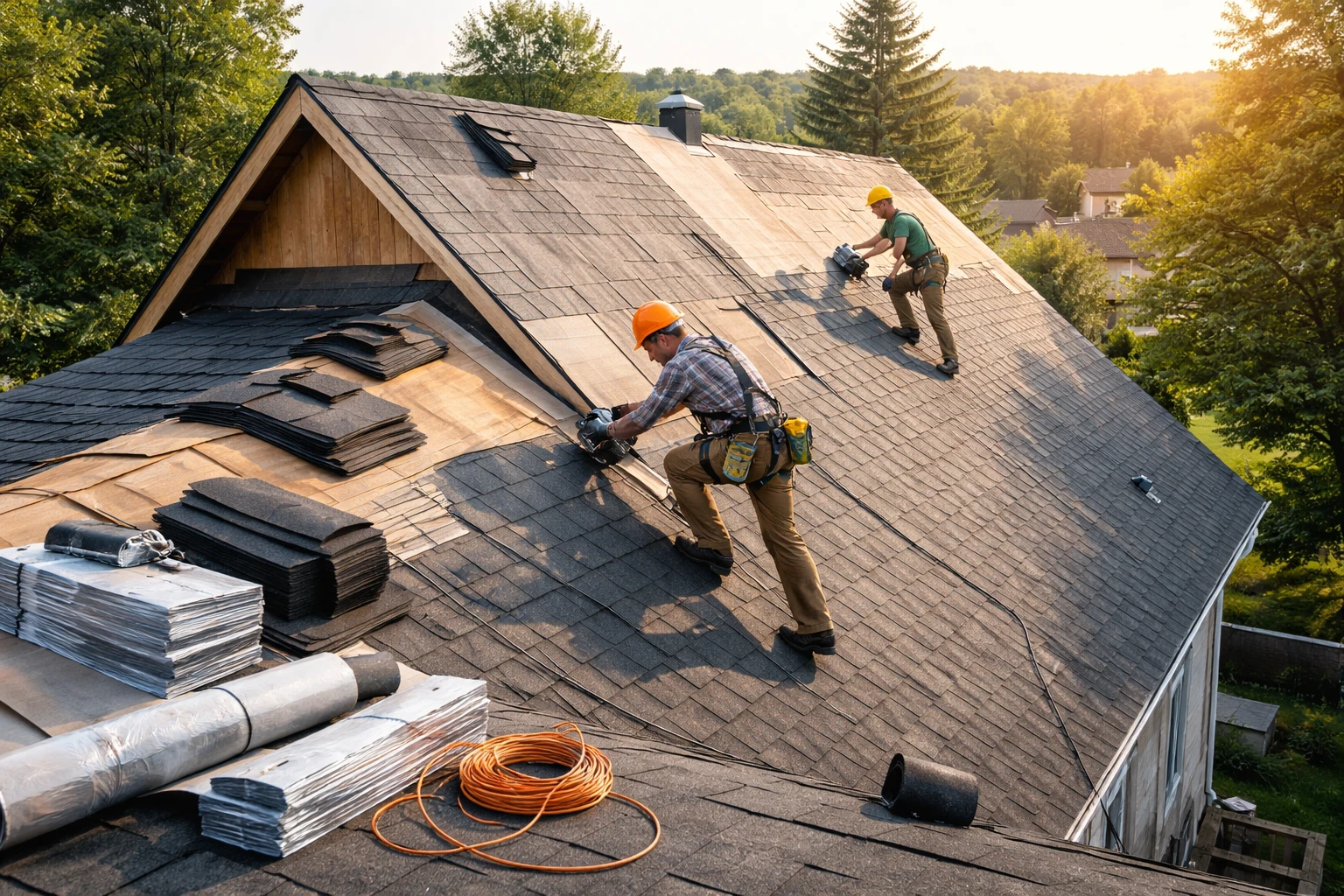
Pitch refers to the steepness or angle of the roof. A steep pitch may improve water runoff and enhance curb appeal, but it also increases replacement complexity. Roofers must take extra safety measures and may need special equipment to work on steep surfaces, which adds to labor costs.
Conversely, a low-slope or flat roof is easier and faster to replace, often resulting in lower labor costs. However, flat roofs may require additional waterproofing materials or specialized membranes, which can offset some of the savings.
How Pitch Affects Material Choices
Different pitches require different materials to perform well. Steeper roofs often use shingles designed to shed water quickly, while low-slope roofs may need materials that resist standing water. Choosing the correct material type ensures longevity and minimizes maintenance costs over time.
Additional Factors Influencing Replacement Cost
While size and pitch are major cost drivers, other aspects also play a role in determining total expense. Understanding these helps create a realistic budget and avoid surprises during installation.
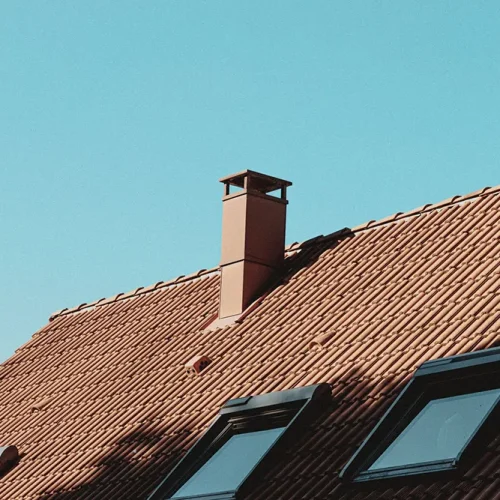
- Roof complexity, such as valleys, dormers, and skylights, can increase labor time.
- Material quality affects both durability and price, from basic asphalt to high-end tile.
- Regional climate conditions may dictate additional moisture or wind protection layers.
- Waste removal and disposal fees can add to the overall total if the old roof is large.
Balancing Budget and Long-Term Value
Choosing the right combination of size-appropriate materials and pitch considerations allows homeowners to balance immediate costs with long-term performance. Investing in proper installation ensures the roof lasts its intended lifespan and protects the structure beneath it.
Evaluating quotes carefully and understanding how each factor contributes to the total helps make informed decisions. By analyzing roof size, pitch, and material type together, homeowners can achieve both value and durability in their replacement project.
FAQs
Roof size refers to the total surface area of the roof, usually measured in squares, with one square equal to 100 square feet.
Larger roofs require more materials and labor, which increases the total cost of replacement.
Roof pitch is the steepness or angle of the roof, typically expressed as a ratio of rise over run.
Steeper roofs are harder to work on, requiring additional safety equipment and more labor time, which raises costs.
Flat or low-slope roofs often have lower labor costs, but may require specialized materials that can balance out savings.
Roof size can be measured using manual calculations, professional inspections, or online estimation tools.
Yes, steeper roofs typically use materials designed for water runoff, while low-slope roofs need materials that handle standing water.
Factors include roof complexity, material quality, climate conditions, and disposal fees for old roofing materials.
Yes, even slight increases in square footage can lead to noticeable cost differences, especially with premium materials.
Homeowners can manage costs by comparing quotes, choosing appropriate materials, and understanding how size and pitch affect pricing.