Trees are valuable parts of any home landscape. They provide shade, improve air quality, and make properties look more inviting. However, trees need proper care to stay healthy and safe. Homeowners do not need to be experts in tree maintenance, but knowing the basics can help prevent problems. With simple and consistent care, trees can grow strong and live longer.
1. Regularly Check Your Trees for Early Signs of Problems
Regular examination is one of the most critical aspects of tree care. Trees can acquire diseases gradually, and early discovery facilitates treatment.
Homeowners should watch for damaged branches, strange bark color changes, fungal growth, and dead leaves that remain on branches. Also, check the tree’s base for exposed roots or soil erosion. These could suggest stress or structural concerns.
If something appears strange, it may be beneficial to check with tree care professionals for a more thorough assessment. Professional assistance is useful for detecting diseases or structural flaws that are difficult to spot from ground level.
2. Work With a Qualified Arborist for Complex Tree Health Concerns
Some tree issues require specialized expertise. In these situations, a qualified arborist can provide helpful guidance. A qualified arborist is trained in disease identification and management, as well as proper and safe pruning techniques to support long-term tree health.
They can help diagnose tree diseases, recommend treatment options, and suggest proper maintenance plans. Homeowners do not always need to hire an arborist for simple tasks like watering or light pruning. However, professional advice can be helpful when dealing with serious tree health concerns.
When looking for help, check credentials and experience to make sure you are working with someone knowledgeable about local tree species and growing conditions.
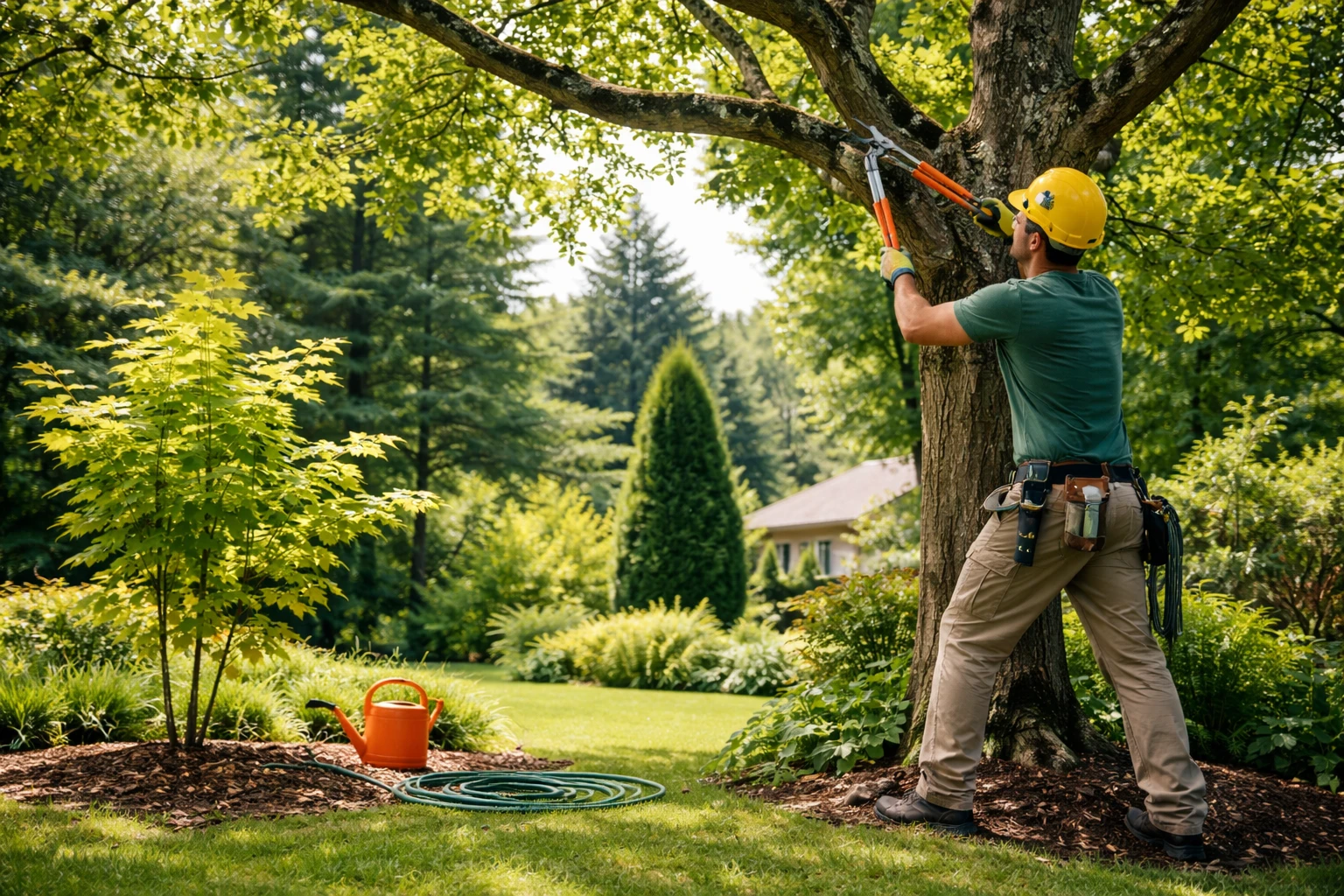
3. Prune Trees the Right Way and at the Right Time
Pruning helps keep trees healthy and improves their structure. It removes dead or damaged branches and allows better air and sunlight flow through the canopy.
Many trees are best pruned during late winter when they are dormant. This timing reduces stress on the tree and helps it heal faster. Avoid heavy pruning during very hot or dry weather because this can weaken trees.
Begin by cutting away any dead or damaged branches. After that, remove branches that cross over or rub against one another. For large branches or tall trees, it may be safer to use tree care services since special tools and safety equipment may be needed.
4. Water Trees Deeply but Not Too Often
Your watering can habits might need a rethink. Trees—especially new ones—thrive on deep, soaking drinks rather than daily sprinkles that barely wet the surface.
Young trees need more frequent attention while their roots establish, but mature trees prefer a slow, deep soak that reaches down to the deep roots. This encourages the roots to grow downward rather than staying near the surface, making the tree more drought-resistant and stable when winds pick up.
Insert your finger a few inches into the soil near the root zone. If the soil feels dry at that depth, it is time to water. But don’t drown them—soggy soil leads to root rot, and trust me, that’s a nightmare to fix once it sets in.
5. Consider Tree Removal When Safety Is at Risk
Most homeowners want to keep trees whenever possible. However, tree removal may be necessary in certain situations. Dead trees, severely damaged trees, or trees leaning dangerously toward buildings or power lines may need removal for safety reasons.
When planning removal, it is wise to request a tree removal quote from several providers. Prices can vary depending on tree size, location, and how difficult the removal process will be.
Large tree removal can be dangerous without proper equipment and training. Professional tree services have the tools and safety experience needed to complete the job safely.
6. Keep Soil Healthy With Proper Nutrients
Healthy trees start with healthy soil. Think of mulch as a superfood smoothie for your tree’s root system—it retains moisture, keeps temperatures steady, suppresses those annoying weeds, and gradually adds organic matter as it breaks down.
Skip the fertilizer unless a soil test shows you actually need it. Too much chemical fertilizer can actually fry the roots and create long-term health problems. Instead, spread organic mulch in a wide, flat donut shape around the tree, but keep it away from touching the trunk. That “volcano mulching” you see everywhere with mulch piled high against the bark? It traps moisture and causes rot. Not good.
7. Watch Out for Pests and Tree Diseases
Bugs and tree diseases move fast. One week you notice a few holes in the bark, the next month half the tree looks sick, and you’re facing an expensive treatment bill.
Watch for warning signs: tiny exit holes in the trunk, leaves dropping in the middle of summer when they should be thriving, or visible insects congregating on branches. Fungal growth, unusual leaf spots, or wilting when it hasn’t been particularly hot are also red flags that something’s attacking your tree.
The sooner you catch infestations or infections, the easier and cheaper they are to treat. Tree care pros can identify whether you’re dealing with a harmless visitor or something that needs immediate intervention to save the tree.
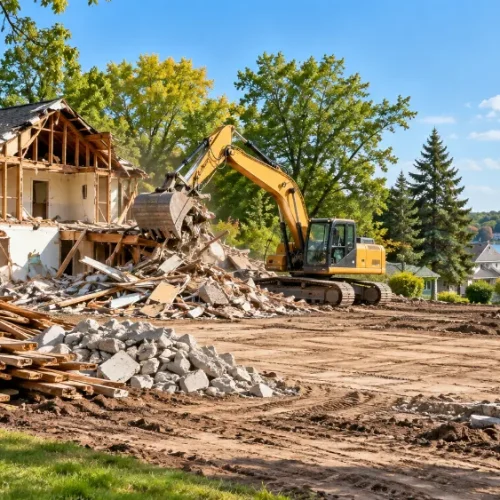
8. Protect Trees During Home Renovations or Landscaping
Construction work can damage tree roots and compact the soil around trees. Before starting major home improvement projects, think about how nearby trees may be affected.
Heavy equipment and digging can damage roots, which can weaken trees over time. Setting up protective barriers around tree root zones can help reduce damage. It can also help to talk with a qualified arborist before starting major landscaping work.
9. Monitor Tree Trunks and Root Systems
The trunk and roots provide structural support for trees. Checking these parts regularly can help spot serious problems early.
Look for trunk cracks, peeling bark, or hollow areas. These may be signs of disease or structural weakness. Also check roots that are growing above ground or soil that is washing away from the base of the tree.
If you notice these problems, consider having tree care services evaluate the tree to determine if treatment is needed.
10. Prepare Trees for Storms and Strong Winds
Storms can cause major damage to trees, especially those with weak branches. Before storm season, inspect trees and remove dead or weak branches.
This simple maintenance step can reduce the risk of falling branches during strong winds. It also helps protect homes, vehicles, and power lines from damage.
Homeowners should also think about tree placement when planting new trees. Planting large trees too close to homes or utility lines can create maintenance and safety challenges later.
11. Make Tree Care Part of Your Yearly Home Maintenance Plan
Tree care works best when done regularly. Creating a simple yearly maintenance plan can help keep trees healthy.
In spring, inspect trees for new growth and early pest problems. During summer, monitor watering and watch for signs of drought stress. In fall, prepare trees for colder weather. Winter is often a good time for major pruning and structural inspections.
Regular maintenance can help prevent costly problems and keep trees looking their best.
Why Consistent Tree Care Matters
Taking care of trees helps protect property and improves landscape appearance. Healthy trees can also provide environmental benefits such as better air quality and natural cooling for homes.
Professional tree care services can help with complex maintenance tasks, but homeowners can handle many basic tree care practices themselves. The key is consistency and early attention to potential problems.
If you are unsure about a tree’s condition, getting a professional evaluation or requesting a tree removal quote can help you make better decisions. The goal is simply to keep trees healthy, safe, and strong for many years.
What Homeowners Should Remember
Tree care does not need to be complicated. Simple habits like regular inspection, proper watering, and correct pruning can make a big difference in tree health. Homeowners who stay observant and proactive can enjoy the benefits of healthy trees while reducing safety risks.
By combining basic maintenance with help from tree care services when needed, you can maintain a safe and beautiful landscape without making tree care feel overwhelming.