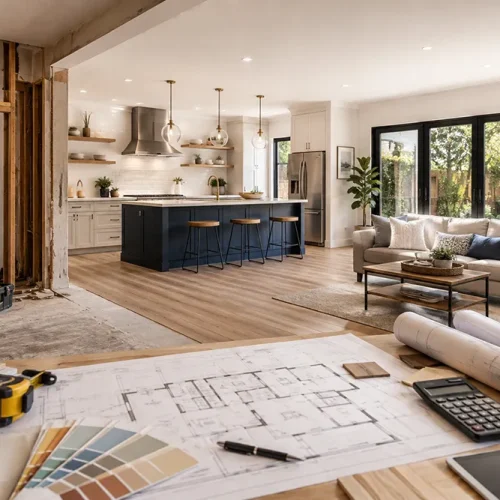
Modern homes have become one of the most recognizable design movements in today’s housing landscape. Their clean lines, large windows, and open layouts appeal to homeowners who want a space that feels uncluttered yet functional. But when people use the word “modern,” they often confuse it with “contemporary,” not realizing the two describe different architectural approaches. This guide breaks down what truly defines modern homes, tracing their roots, explaining their key features, and exploring why this architectural style continues to shape residential living.
Defining Modern Residential Architecture
Modern residential architecture began in the early 20th century, influenced by movements like Bauhaus and the mid-century design revolution. Its guiding principle is simple: function comes before decoration. Instead of ornate detailing, modern homes rely on straightforward geometry, open interiors, and a focus on honest materials like glass, steel, and concrete. Compared to traditional houses with decorative trim and complex layouts, modern homes favor clarity and efficiency. These qualities make them a favorite choice for any modern residential architecture firm that values spaces built for everyday life rather than embellishment. Modern design is about stripping away the unnecessary so that the essence of architecture—space, light, and structure—takes center stage.
Core Features of Modern Homes
Clean Lines and Geometric Forms
At the heart of modern homes are their simple, clean lines. Walls, roofs, and structural elements follow a geometric rhythm, avoiding decorative curves and excessive ornamentation. This creates a sleek and uncluttered aesthetic where every architectural element serves a purpose. In practice, this clarity helps homeowners enjoy a space that feels organized, balanced, and visually calm. The geometry of modern design brings order, making each element intentional rather than decorative.
Open Floor Plans and Flow
Modern houses prioritize the connection between spaces. Open floor plans bring kitchens, dining areas, and living rooms together, creating a sense of flow and encouraging social interaction. Large expanses of windows allow natural light to flood interiors, making spaces feel even larger and more inviting. This layout also adapts well to modern lifestyles, where families and friends value shared experiences. By removing barriers, modern design enhances both daily living and entertainment, reflecting how people truly use their homes today.
Integration with Nature
One of the most defining qualities of modern design is its relationship with the outdoors. Expansive windows, glass walls, and sliding doors create seamless transitions between interior and exterior. Natural materials like stone and wood are often integrated into construction, reflecting a balance between human living spaces and the surrounding environment. This approach not only connects residents with nature but also maximizes views, ventilation, and daylight. It emphasizes well-being, allowing modern homes to feel healthy, sustainable, and deeply rooted in their natural setting.
Materials and Technology in Modern Homes
Modern design embraces materials that emphasize both strength and beauty. Glass walls, steel beams, and poured concrete allow architects to achieve flat roofs, wide spans, and cantilevered forms that were once impossible. At the same time, wood and stone provide warmth, ensuring these spaces feel inviting rather than cold. This marriage of natural and industrial materials reflects the architectural ambition to balance innovation with comfort in residential architecture.
Modern vs. Contemporary Architecture
Although often used interchangeably, modern and contemporary are not the same. Modern architecture refers to the design movement rooted in the early to mid-20th century. Contemporary architecture, on the other hand, describes the styles of the present moment, which may borrow elements from modernism but are not bound by its principles. While both share an appreciation for clean lines and open spaces, contemporary homes might include more sustainable technology or design experiments. Understanding this difference helps homeowners and designers communicate clearly about the type of residential architecture they want to pursue.
Why Modern Residential Architecture Endures
Despite its century-old origins, modern design remains highly relevant. Homeowners continue to value open layouts, natural light, and uncluttered spaces that match today’s lifestyles. Residential architecture firms frequently recommend modern principles because they align with how people want to live—comfortably, efficiently, and in harmony with their surroundings. Whether through renovations or new builds, a residential architect firm can adapt modern principles to meet today’s needs without losing the timeless appeal that made this style so influential in the first place.
Conclusion
What makes a home “modern” is more than just its appearance—it’s the philosophy of simplicity, function, and connection to nature. With its clean lines, open spaces, and thoughtful use of materials, modern residential architecture continues to inspire both homeowners and architects alike. Far from being a passing trend, it has proven to be one of the most enduring and practical design movements in architecture.