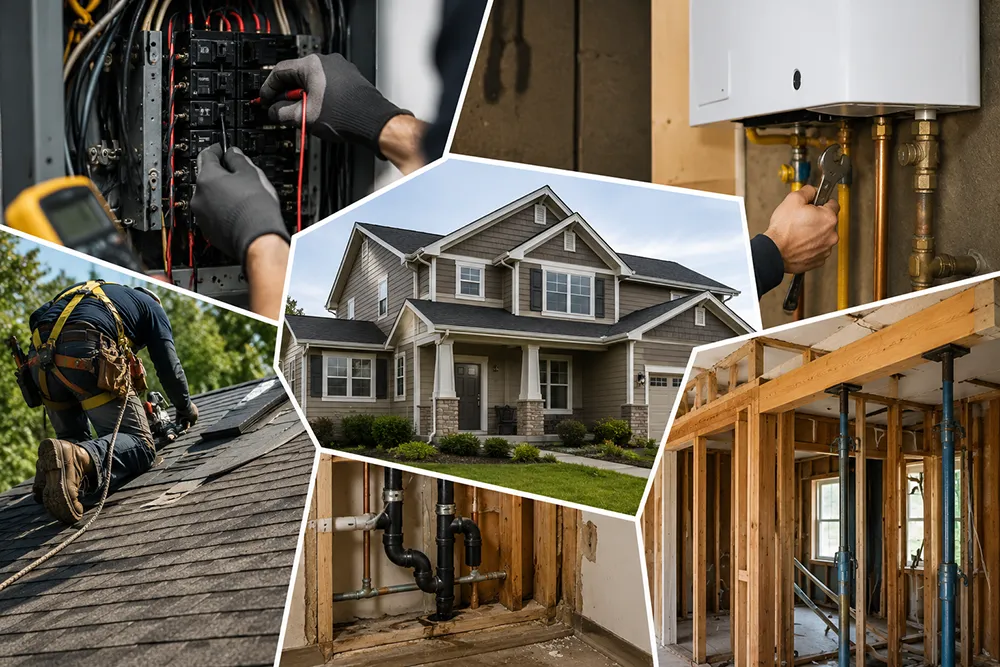
DIY culture is great, right up until it isn’t. There’s a specific category of home repair where a small mistake doesn’t cost you an afternoon — it costs you a hospital visit, a flooded floor, or a five-figure repair. These are the jobs to hand to a professional every single time, no matter how many tutorials make them look easy.
That does not mean homeowners should avoid every repair. Painting a room, replacing cabinet handles, sealing small gaps, assembling furniture, and completing basic maintenance can all be sensible DIY projects. The problem begins when a job involves electricity, gas, structural loads, working at height, or systems hidden behind walls.
Online tutorials often show ideal conditions. The property is accessible, the tools are ready, the existing installation is clearly labelled, and no unexpected damage appears. Real houses are rarely that cooperative. Older wiring may not match modern colour codes. Pipes may be corroded. Previous owners may have made unrecorded modifications. What appears to be a simple repair can reveal a larger problem as soon as the work begins.
Professional repairs also provide something a tutorial cannot: accountability. A qualified contractor can inspect the entire system, identify related defects, follow local regulations, obtain permits when required, and document the completed work. That documentation may become important when selling the home, filing an insurance claim, or proving that repairs were completed correctly.
Here are the five, plus a simple way to know whether the quote you’re handed is fair.
1. Electrical Panel And Wiring Work
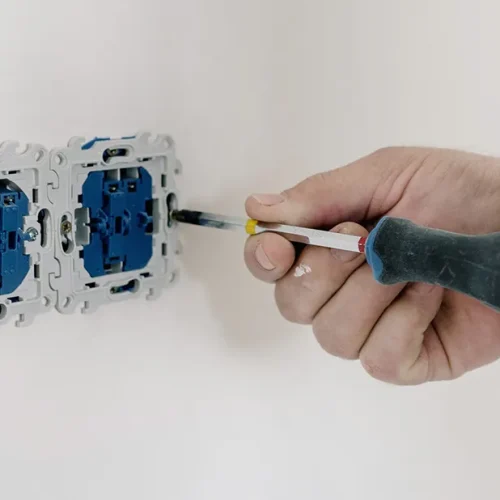
Changing a light fixture is fine. Anything inside the breaker panel, running new circuits, or rewiring is not. Electricity gives no second chances — a wrong connection can start a fire inside a wall weeks later, long after you’ve forgotten you touched it. This is the clearest “never DIY” job there is. When it’s time, hire a licensed electrician and keep the receipt for your records and insurance.
Electrical work is particularly dangerous because a repair may appear successful even when it has been completed incorrectly. A socket can work while still having a loose connection. A breaker can remain on even though the circuit is overloaded. A cable can be energised despite another switch or breaker appearing to isolate it.
Loose electrical connections generate heat. That heat may build slowly behind a wall, inside a junction box, or within the panel. There may be no immediate sparks, smoke, or obvious failure. Instead, the insulation can deteriorate over time until the connection becomes a serious fire risk.
Another common DIY mistake is installing a breaker, cable, or outlet that is not correctly rated for the circuit. Electrical components are designed to work together. The cable size, breaker rating, anticipated load, grounding arrangement, and protective devices must all be compatible. Changing one part without understanding the rest can remove an important layer of protection.
You should call a licensed electrician when you notice:
- Breakers that trip repeatedly
- Buzzing, crackling, or sizzling sounds
- Warm outlets, switches, or panel covers
- Flickering lights across multiple rooms
- Burning smells with no obvious source
- Scorch marks or discolouration near electrical fittings
- Sparks when connecting an appliance
- An old panel that no longer supports the home’s electrical demand
Do not keep resetting a breaker that repeatedly trips. A breaker is a safety device, not an inconvenience. Frequent tripping may indicate an overloaded circuit, damaged wiring, moisture intrusion, an appliance fault, or a short circuit.
Professional electrical work may also require permits, inspections, or compliance certificates. These requirements are not unnecessary paperwork. They help confirm that the installation meets current safety standards. Unauthorised electrical work can create complications during a property sale and may affect an insurance claim if the work contributes to a fire or other loss.
Before hiring an electrician, explain the symptoms clearly and ask whether the quote includes testing, replacement components, labour, and any required certification. Keep copies of invoices, inspection reports, warranties, and photographs of the completed work.
2. Gas Appliances And Lines
Anything involving a gas line — a stove, a water heater, a dryer hookup — belongs to a certified technician. A leak you can’t smell yet is the kind of mistake that doesn’t give you a chance to fix it. There is no version of this that’s worth saving a service fee on.
Gas work involves more than attaching a hose and checking whether an appliance turns on. The technician must confirm that connections are secure, ventilation is adequate, pressure is correct, and combustion gases are safely discharged. An appliance can operate while still producing unsafe conditions.
A poor connection may allow gas to escape into the home. Incorrect combustion or inadequate ventilation can also create carbon monoxide, a colourless and odourless gas that can cause headaches, dizziness, confusion, unconsciousness, and death. Because people cannot reliably detect carbon monoxide without an alarm, apparent normal operation is not proof that an appliance is safe.
Common signs of a possible gas or combustion problem include:
- A rotten-egg or sulphur-like smell
- Hissing near a pipe, valve, or appliance
- A damaged or disconnected gas line
- Yellow or irregular flames where blue flames are expected
- Soot around an appliance
- Persistent condensation near a gas appliance
- Headaches or nausea that improve after leaving the property
- A carbon-monoxide alarm sounding
If you suspect a gas leak, do not test the area with a match, lighter, candle, or electrical device. Avoid operating switches or creating a spark. Leave the property, move to a safe location, and contact the appropriate emergency service or gas provider.
A certified technician should install, relocate, disconnect, or reconnect gas appliances. The technician can perform a leak test, inspect the shutoff valve, assess ventilation, verify the appliance setup, and document the work.
Homeowners should also install carbon-monoxide alarms in appropriate locations and test them according to the manufacturer’s directions. Alarms are an additional safeguard, but they do not replace professional installation or regular servicing.
When requesting a quote, confirm whether it includes the connection kit, required valves, pressure testing, ventilation checks, removal of the old appliance, and certification where applicable. A low quote may exclude several of these essentials.
3. Roof Repairs
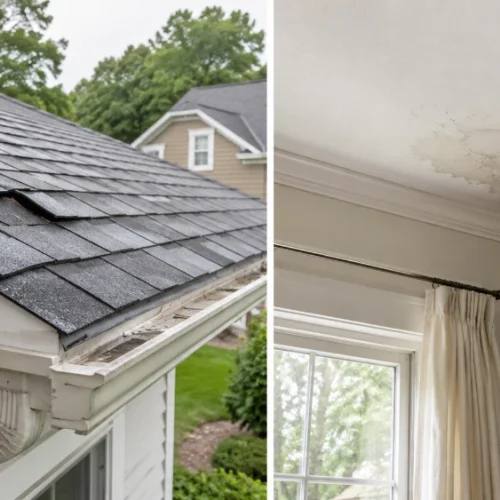
It’s not just the height, though falls are the real danger. Roofing is a system: flashing, underlayment, ventilation, and drainage all work together, and a patch done wrong traps water instead of shedding it. You often don’t discover the mistake until it’s rotted the deck beneath. Leave the roof to people with the harness and the know-how.
A roof can look manageable from the ground. Once you are on it, the slope, surface condition, wind, heat, and lack of stable footing create a very different situation. Tiles can crack or shift. Metal can become slippery. Asphalt shingles may soften in hot weather. Moss, dust, rain, and morning moisture can make even a modest slope dangerous.
Falls are not the only concern. Walking in the wrong area can damage roofing materials or create new leaks. A homeowner may repair the visible spot where water appears indoors without finding the actual entry point. Water often travels along rafters, underlayment, pipes, or ceiling cavities before becoming visible.
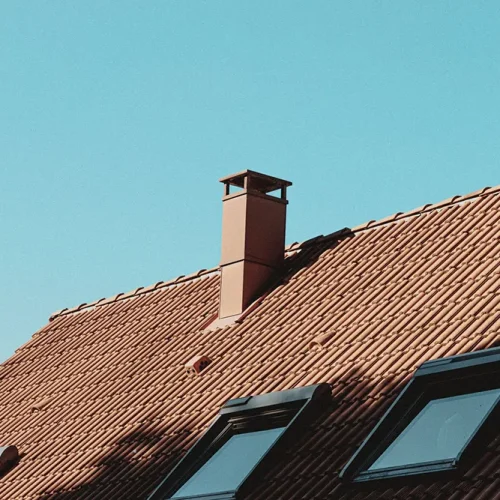
Roof leaks commonly develop around:
- Flashing
- Chimneys
- Skylights
- Valleys
- Roof penetrations
- Vent pipes
- Damaged or missing tiles
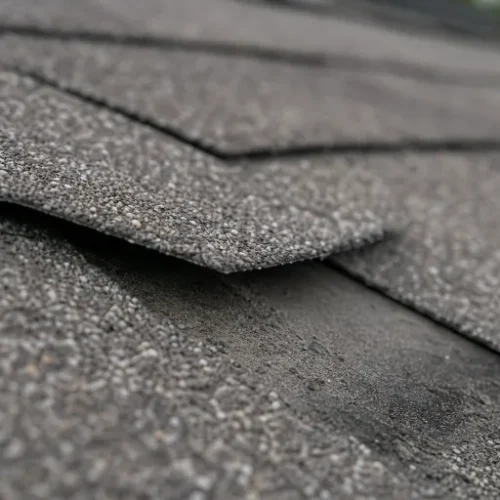
- Lifted shingles
- Gutters and drainage points
- Poorly sealed previous repairs
Applying sealant over a suspected leak may temporarily hide the symptom without correcting the cause. It can also redirect water into another part of the roof. By the time staining appears indoors again, insulation, timber, plasterboard, and electrical components may already be affected.
Professional roofers assess the roof as a complete water-management system. They look at the visible covering, underlayment, flashing, penetrations, drainage, ventilation, and supporting deck. They also have suitable access equipment, fall protection, footwear, and training.
You should arrange a professional inspection after a severe storm, when tiles or shingles are visibly missing, when ceiling stains develop, or when dampness appears in the attic. Other warning signs include sagging areas, daylight entering the roof space, granules collecting in gutters, damaged flashing, and recurring mould near ceilings.
Ask the contractor to photograph the affected area before and after the repair. A useful roof quote should identify the damaged section, proposed repair method, materials, disposal costs, access requirements, warranty terms, and whether unseen damage could change the final price.
Avoid automatically choosing the contractor who recommends the largest project. A reputable roofer should be able to explain why a repair, partial replacement, or full replacement is appropriate.
4. Structural Changes
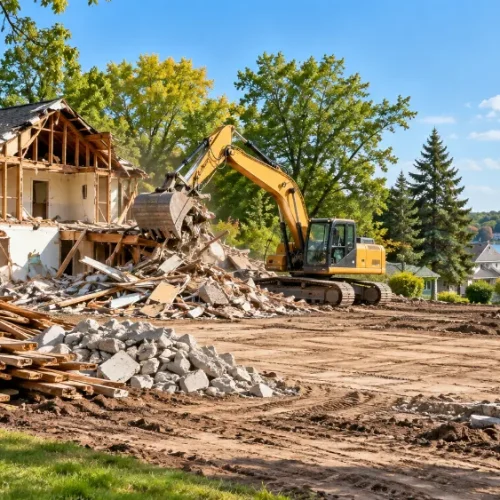
Removing or cutting into a wall to “open up the space” is the DIY job that ends worst. If it’s load-bearing — and it’s not always obvious which walls are — you can compromise the whole structure. Any change to what holds the house up needs someone who can calculate the loads, not eyeball them.
Structural changes include more than removing an entire wall. Enlarging a doorway, cutting through framing, removing a post, changing ceiling joists, modifying roof supports, adding heavy equipment, or creating a large opening can all affect how weight travels through the building.
A wall may support floors, ceiling joists, roof loads, or another wall above it. Even a wall that looks lightweight may provide lateral stability or contain critical bracing. Plans can help, but older homes may have been altered since the original drawings were prepared.
Warning signs that structural movement may already be occurring include:
- New or widening cracks
- Doors and windows that suddenly stick
- Sloping or bouncing floors
- Sagging ceilings
- Gaps between walls and ceilings
- Cracks above doors or windows
- Leaning walls
- Rooflines that appear uneven
- Posts or beams that are split, displaced, or deteriorating
These symptoms do not automatically mean the building is unsafe, but they deserve proper assessment. Cosmetic patching can hide movement without addressing its cause.
A structural engineer can determine how the building carries loads and specify the required beam, posts, footings, connections, or temporary supports. A qualified contractor can then complete the work according to that design. Depending on the location and scope, permits and inspections may be required.
Temporary support is one of the most overlooked parts of structural work. A load-bearing component cannot simply be removed while a replacement beam is prepared. The surrounding structure may need to be supported in a planned sequence before demolition begins.
Structural mistakes can be extremely expensive because the damage may spread beyond the original project. Floors can move, walls can crack, plumbing connections can fail, doors can shift, and roof components can become misaligned.
Before approving the work, ask who is responsible for the engineering design, permits, inspections, temporary support, finishing, and disposal. Make sure these responsibilities are written into the quote rather than assumed.
5. Major Plumbing Behind The Walls
Fixing a tap washer is fine. Re-piping, moving a drain, or anything that means opening walls is not. Hidden water damage is slow, expensive, and a magnet for mould. The cost of doing it right is a fraction of the cost of doing it twice.
Plumbing repairs behind walls carry a different risk from visible leaks. A dripping fitting under a sink is usually noticed quickly. A slow leak inside a wall can continue for weeks or months before stains, odours, swelling, or mould become visible.
Water can damage plasterboard, insulation, flooring, timber framing, cabinets, electrical fittings, and finishes. It can also travel far from the original leak, which makes locating the source more difficult.
Major plumbing work requires an understanding of pipe materials, pressure, drainage slopes, venting, connection methods, fixture requirements, and local codes. A drain that is installed at the wrong slope may clog repeatedly. An improperly vented fixture may drain slowly, produce odours, or pull water from nearby traps.
Call a licensed plumber when the job involves:
- Moving a toilet, shower, sink, or bath
- Replacing concealed supply pipes
- Changing the route of a drain
- Opening walls or floors to reach pipework
- Installing or replacing a water heater
- Repairing a main water line
- Repeated sewer backups
- Low pressure affecting several fixtures
- Water stains with no visible source
- Persistent damp or mould near plumbing
Shutting off the water does not eliminate every plumbing risk. Old valves can fail when operated. Corroded fittings may break during disassembly. Pipes can contain residual water, and shared systems may not isolate as expected.
Before closing a repaired wall, a professional should test the work and confirm that the system is not leaking. Depending on the project, pressure testing, drainage testing, photographs, or an inspection may be appropriate.
A thorough plumbing quote should identify the affected fixtures, pipe materials, access work, testing, wall repairs, disposal, and any exclusions. Ask whether the plumber will restore the wall or whether you will need a separate contractor for plastering, painting, tiles, or cabinetry.
At-a-Glance Risk Comparison
| Repair | Main DIY Risk | Hidden Consequence | Professional to Contact |
|---|---|---|---|
| Electrical work | Shock, electrocution, or fire | Heat damage inside walls | Licensed electrician |
| Gas appliances and lines | Gas leak or poor combustion | Fire, explosion, or carbon monoxide | Certified gas technician |
| Roof repairs | Falls and incorrect waterproofing | Rot, mould, and structural damage | Qualified roofing contractor |
| Structural changes | Unsupported building loads | Cracking, movement, or partial collapse | Structural engineer and qualified contractor |
| Major plumbing | Incorrect connections or drainage | Concealed leaks and mould | Licensed plumber |
What You Can Safely Do Before The Professional Arrives
Knowing when not to DIY does not mean doing nothing. You can often take basic steps to reduce damage without attempting the repair itself.
For a plumbing leak, shut off the local fixture valve or main water supply when it is safe and practical. Move furniture and belongings away from the affected area. Use containers or towels to control minor water spread, but do not enter an area where water may have reached electrical equipment.
For a roof leak, place a container beneath the indoor drip and protect nearby belongings. Do not climb onto the roof during rain, wind, darkness, or unstable conditions. Take photographs from the ground or from a safe indoor location.
For an electrical problem, stop using the affected appliance or outlet. If it can be done safely, turn off the relevant breaker. Do not remove panel covers or touch damaged wiring.
For suspected gas problems, leave the property and contact the appropriate emergency service or provider from a safe location.
For possible structural movement, keep people away from the affected area and avoid removing materials, drilling, or applying additional loads until the condition has been assessed.
How To Tell If A Contractor’s Quote Is Fair
Here’s the part most homeowners get wrong: they judge a quote by the total, when they should judge it by the breakdown. A fair quote is a clear one. Look for these:
- It’s itemised. Labour, materials, and any call-out fee listed separately — not one vague lump sum.
- It’s a fixed price, in writing. “Starting from” is not a quote; it’s a hook. Ask for the real number before work begins.
- It matches the middle of the market. Get two or three quotes. The suspiciously cheap one usually cuts a corner you’ll pay for later; the highest one often isn’t the best, just the boldest. The fair price sits in the range where most land.
- The pro is verified and reviewed. Someone with a reputation to protect prices fairly because they want the next job and the referral. A stranger with no track record has no such incentive.
Price matters, but it is only one part of the decision. Quotes should be compared on the same scope. One contractor may include materials, disposal, testing, certification, and cleanup, while another may quote only the labour. The second number looks cheaper because important costs have been left out.
Ask each contractor the same questions:
- What exactly is included in the price?
- Which materials or product models will be used?
- Are permits, inspections, or certificates required?
- What could cause the price to change?
- Who will complete the work?
- Is the contractor licensed and insured?
- What warranty covers the labour and materials?
- Does the quote include cleanup and disposal?
- How will unexpected damage be documented and approved?
- When is payment due?
Be cautious when a contractor demands full payment before the work starts, pressures you to decide immediately, refuses to provide written details, or asks you to obtain permits that should be the contractor’s responsibility.
You should also confirm that the contractor’s licence applies to the work being performed. A general home-maintenance background does not necessarily qualify someone to alter wiring, gas systems, structural components, or major plumbing.
Reviews are helpful, but look beyond the average rating. Read comments about communication, punctuality, problem resolution, cleanliness, and whether the final price matched the quote. A contractor’s response to a negative review can also show how disputes are handled.
Do those four things and you’ll rarely overpay — and you’ll never be talked into a DIY job that should never have been one.
The Real Value Of Hiring The Right Professional
Hiring a professional is not simply paying someone to use tools you do not own. You are paying for diagnosis, training, safe procedures, code knowledge, specialist equipment, insurance, and responsibility for the completed work.
A skilled professional may also prevent unnecessary work. The visible symptom is not always the actual problem. A ceiling stain may come from damaged flashing rather than failed roof tiles. A tripping breaker may be caused by one defective appliance rather than the entire electrical system. A responsible contractor investigates before recommending a solution.
The cheapest approach is the one that safely solves the problem once. A rushed DIY attempt can increase the eventual professional bill by damaging surrounding materials, hiding the original cause, or making access more difficult.
Keep all repair documents together, including the quote, contract, invoices, permits, certificates, photographs, product information, and warranty. These records create a useful maintenance history and may support future insurance or property-sale requirements.
For work like this, use a verified home-services platform to compare vetted, licensed professionals before you commit.