Buffalo is known for its strong neighborhoods, historic homes, lake-effect weather, and changing seasons. But those same conditions can also create pest problems for homeowners and businesses. Cold winters, wet springs, humid summers, and older building structures all give pests opportunities to enter, hide, and return.
That is why effective pest control in Buffalo is not just about reacting when pests appear. It requires prevention, inspection, exclusion, and ongoing protection. Whether the issue involves ants in the kitchen, rodents in the walls, wasps near the roofline, spiders in the basement, or wildlife in the attic, the best results usually come from a plan that addresses the source of the problem.
For Buffalo property owners, understanding seasonal pest behavior is the first step toward keeping a home or business protected.
Why Buffalo Homes Are Vulnerable to Pest Problems
Buffalo’s climate creates different pest pressures throughout the year. In warmer months, insects become more active outdoors and often move toward homes in search of food, water, or shelter. During colder months, rodents and occasional invaders may try to get inside to escape the weather.
Common pest attractants around Buffalo properties include:
- Gaps around foundations, doors, and windows
- Moist basements or crawl spaces
- Firewood stored near the home
- Overgrown shrubs and vegetation
- Open trash containers
- Food crumbs or unsealed pantry items
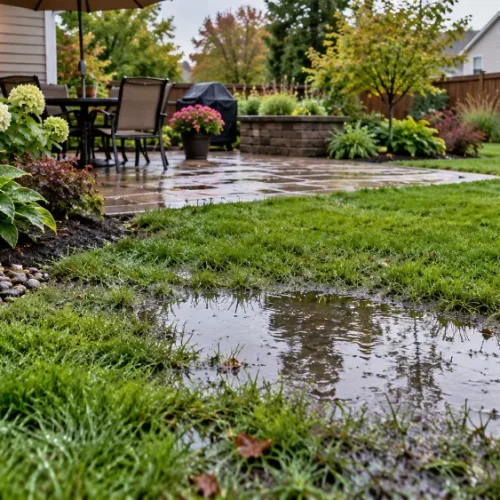
- Standing water around the property
- Damaged vents or roofline openings
- Cluttered garages, sheds, and storage areas
Older homes can be especially vulnerable because small cracks, utility openings, and worn weatherstripping may provide easy access.
Common Pests in Buffalo
Buffalo homeowners may deal with a wide range of pests depending on the season and property type.
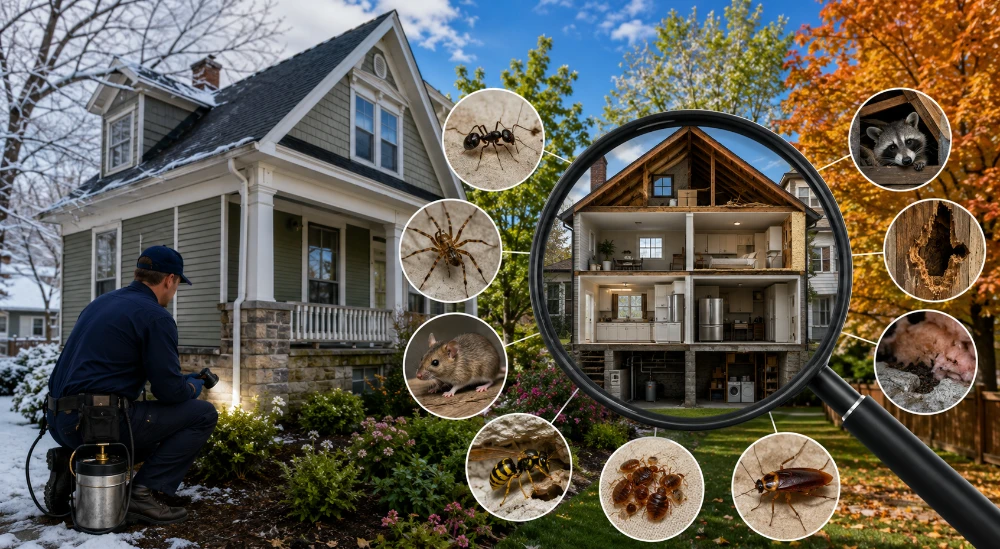
Common issues include:
- Ants invading kitchens, bathrooms, and wall voids
- Spiders appearing in basements, garages, and corners
- Rodents entering homes during colder months
- Wasps and hornets building nests around eaves and decks
- Stink bugs and lady beetles entering during seasonal shifts
- Bed bugs spreading through travel, furniture, or shared buildings
- Fleas affecting homes with pets
- Cockroaches hiding in warm, moist indoor areas
- Wildlife such as squirrels, raccoons, birds, or bats entering attics and exterior openings
Each pest requires a different approach. A treatment designed for ants will not solve a rodent issue, and wildlife removal requires different tools and prevention methods than insect control.
Why DIY Pest Control Often Falls Short
Many homeowners start with store-bought sprays, traps, or repellents. These methods may reduce visible pest activity, but they often fail to solve the underlying cause.
For example, spraying ants on a countertop may kill the ants you see, but the colony may remain active behind walls or outside. Setting a few mouse traps may catch individual rodents, but if entry points remain open, more can enter. Knocking down a wasp nest without addressing nearby activity can also be risky and ineffective.
Professional pest control focuses on the full problem, including:
- Pest identification
- Entry points
- Nesting areas
- Food and moisture sources
- Seasonal activity patterns
- Prevention and exclusion
- Follow-up when needed
This creates a stronger long-term result than treating only what is visible.
Rodent Control in Buffalo Homes
Rodents are a major concern in many New York homes, especially in fall and winter. Mice and rats can enter through very small gaps and quickly find hiding places in basements, attics, garages, kitchens, and wall voids.
Rodents can cause problems such as:
- Contaminating food and surfaces
- Chewing wires and insulation
- Damaging stored items
- Creating odors and nesting debris
- Spreading bacteria and disease risks
- Reproducing quickly if not controlled
A proper rodent control plan usually includes inspection, trapping or removal, sanitation recommendations, and exclusion work. Exclusion is especially important because removing rodents without sealing access points can allow the problem to return.
Stinging Insects Around Buffalo Properties
Wasps, hornets, and other stinging insects can become a serious problem during warmer months. They may build nests under rooflines, inside wall voids, near decks, around sheds, or in trees and shrubs.
Stinging insect control is not only about comfort. It can also be a safety concern, especially for people with allergies, children, pets, or anyone working near the nest. Professional treatment is usually safer than attempting removal without proper equipment.
Wildlife Issues in Western New York
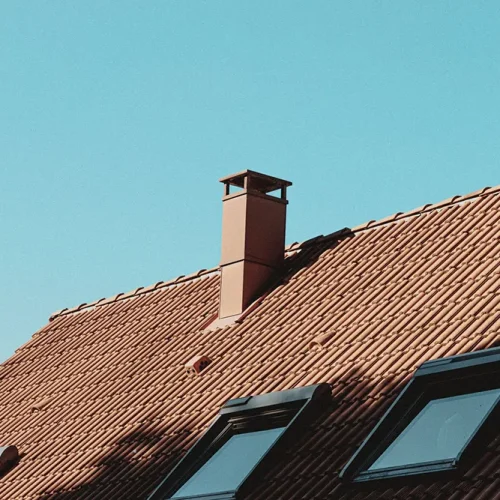
Wildlife problems are different from general pest problems. Squirrels, raccoons, birds, bats, skunks, and other animals can enter homes through roof gaps, soffits, chimneys, vents, or damaged exterior areas.
Wildlife may cause:
- Noises in attics or walls
- Damaged insulation
- Chewed openings
- Contamination from droppings
- Odors
- Structural damage
- Ongoing access problems
Humane removal and exclusion are key. A good wildlife plan should remove the animal, identify the entry point, and repair or seal the access area to prevent re-entry.
Seasonal Pest Pressure in Buffalo
Pest control in Buffalo should account for the entire year.
In spring, insects become more active as temperatures rise. Ants, spiders, and stinging insects may begin showing up around homes. In summer, outdoor pest activity increases, including wasps, mosquitoes, fleas, and occasional invaders. In fall, rodents and overwintering pests begin looking for shelter. In winter, indoor rodent activity and pests already inside the structure can remain a problem.
This seasonal cycle is why many homeowners benefit from preventive service rather than waiting until pests are already established.
What Professional Pest Control Does Differently
Professional pest control is not simply about applying a product. It is a structured process that should be adapted to the property and pest issue.
A professional service may include:
- Inspecting the property
- Identifying the pest species
- Finding activity areas and entry points
- Creating a treatment plan
- Applying targeted solutions
- Recommending exclusion and prevention steps
- Following up when needed
For property owners looking for pest control in Buffalo, NY, this type of complete approach is more effective than relying on temporary treatments alone.
Prevention Tips for Buffalo Homeowners
Homeowners can reduce pest risk by making the property less attractive and less accessible.
Helpful steps include:
- Seal cracks and gaps around the foundation
- Replace worn door sweeps
- Repair screens and vents
- Keep food sealed
- Clean up crumbs and spills quickly
- Store firewood away from the house
- Keep trash containers closed
- Reduce moisture in basements and crawl spaces
- Trim shrubs and branches away from the home
- Remove clutter from garages and storage spaces
- Inspect rooflines, soffits, and chimneys for openings
These steps support professional pest control and help reduce repeat activity.
Choosing a Pest Control Provider in Buffalo
When choosing a pest control company, look for a provider that understands local pest behavior and offers more than one-size-fits-all service. A good company should be able to handle common household pests, rodents, stinging insects, bed bugs, and wildlife concerns with safe and practical methods.
Town & Country Pest Solutions provides pest control and wildlife services for New York homeowners and businesses, with solutions for ants, rodents, spiders, bed bugs, stinging insects, wildlife, and other common pests.
Long-Term Protection Starts With Early Action
Pests are easier to control when they are addressed early. A few ants, scratching sounds, or a small nest may seem minor at first, but these signs can point to a larger issue. Waiting too long can lead to more damage, more stress, and more complicated treatment.
For Buffalo homeowners, the best pest control strategy is proactive. By combining professional inspection, targeted treatment, prevention, and exclusion, it is possible to reduce pest pressure and keep the property more comfortable throughout the year.