When people think about creating a healthier home, they often focus on air quality, natural lighting, or non-toxic materials. Yet one of the most important elements of everyday wellness is often overlooked: water. From the glass you drink in the morning to the water you cook with, bathe in, and clean with, water plays a central role in your home’s health ecosystem. Designing a healthier home truly starts with better water.
Why Water Quality Matters at Home
Water is part of nearly every daily routine. We drink it, prepare meals with it, wash our hands, and use it to clean our living spaces. Because of this constant exposure, water quality has a direct influence on how healthy and comfortable a home feels. Even when tap water meets safety regulations, it may still contain additives or trace contaminants that affect taste, odor, or long-term wellbeing.
A health-focused home isn’t just about what you add—it’s also about what you remove. Improving water quality is one of the most practical ways to support a cleaner, healthier living environment.
The Hidden Issues in Household Water
Many homeowners assume that clear water equals clean water, but that’s not always the case. Tap water can contain sediment, chlorine, heavy metals, and other impurities that enter through aging pipes or local water treatment processes. In some regions, mineral buildup can also affect both water quality and appliance performance.
These hidden issues don’t just change how water tastes. Over time, they can contribute to dry skin, dull hair, scaling in kettles and coffee makers, and reduced efficiency in household appliances. Understanding what’s in your water is the first step toward making smarter choices for your home.
Health Impacts of Cleaner Water
Clean water supports more than hydration. Better water quality can improve the taste of food and beverages, encourage healthier drinking habits, and reduce exposure to unwanted substances. For people with sensitive skin or allergies, cleaner water can also make a noticeable difference during bathing and handwashing.
Families with children and pets often benefit the most, as they tend to consume more water relative to their size. If you’re wondering which type of water best supports daily health, you may also find the blog “What Is The Healthiest Water to Drink?” helpful for a deeper comparison. By improving water quality, you’re not just upgrading a utility—you’re supporting everyday wellness throughout the household.
Integrating Water Quality into a Health-Focused Home Design
Modern home design increasingly prioritizes wellness, and water should be part of that conversation. Just as homeowners plan for proper ventilation and natural light, they can also design spaces that support cleaner water usage.
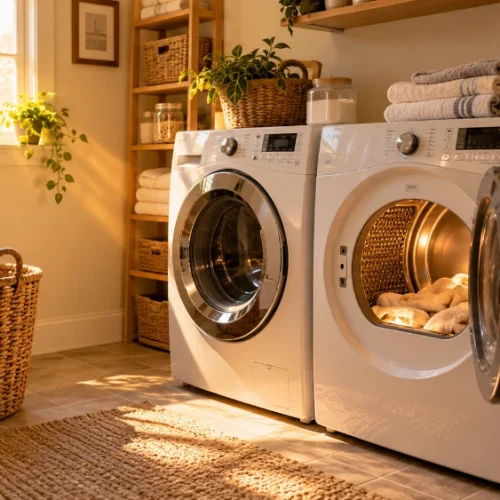
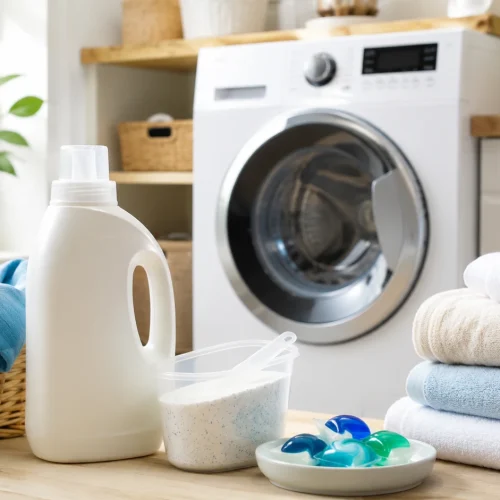
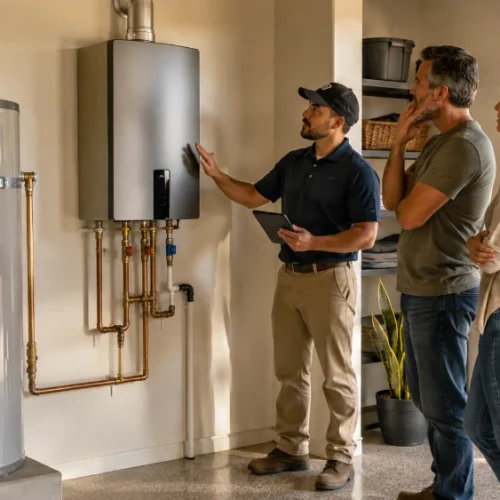
Kitchens, laundry rooms, and utility areas are ideal places to incorporate water improvement solutions without disrupting the home’s aesthetic. With today’s compact systems, it’s possible to enhance water quality while keeping spaces functional, organized, and visually clean.
Water Purification Solutions for Modern Homes
There are several ways to improve household water, including standard filters, water softeners, reverse osmosis systems, and distillation. Each option addresses different concerns, depending on local water conditions and household needs.
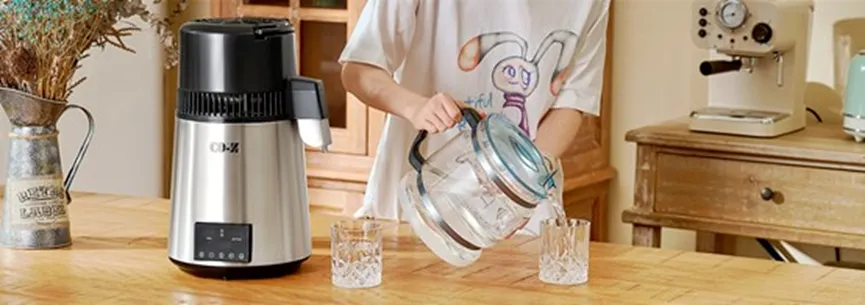
For homeowners focused on purity and consistency, a water distiller can be an appealing solution. By heating water and collecting the purified steam, a water distiller removes many common contaminants, delivering clean, additive-free water. This makes it especially suitable for drinking and cooking, where water quality matters most.
Where a Water Distiller Fits Best in the Home
A water distiller is typically used at the point of consumption, making it easy to integrate into daily routines. Many homeowners place one in the kitchen for convenient access to distilled water for drinking, coffee, and meal preparation. Others prefer utility spaces or dedicated wellness areas where water treatment equipment can be neatly organized.
Because a water distiller doesn’t require major plumbing changes, it’s a practical upgrade even for renters or homeowners looking to avoid extensive renovations. It’s a small addition that can make a meaningful difference in everyday life.
The Long-Term Benefits of Better Water
Investing in better water quality pays off over time. Cleaner water can extend the life of appliances, reduce the need for bottled water, and simplify household maintenance. More importantly, it provides peace of mind—knowing that the water your family relies on every day supports a healthier lifestyle.
These benefits align perfectly with the broader goal of thoughtful home design: creating spaces that work quietly and effectively in the background while improving daily comfort and wellbeing.
Building Health from the Inside Out
A healthier home isn’t built overnight, and it doesn’t rely on a single upgrade. It’s the result of small, intentional improvements that add up over time. By prioritizing water quality and considering solutions like a water distiller, homeowners can take a meaningful step toward designing a home that truly supports health from the inside out.
FAQs
Water is used constantly for drinking, cooking, bathing, and cleaning, so its quality directly affects daily health, comfort, and overall wellbeing.
Tap water may meet safety standards, but it can still contain chlorine, sediment, or trace contaminants that impact taste and long-term exposure.
Common issues include chlorine, heavy metals, mineral buildup, and sediment, often caused by aging pipes or local treatment processes.
Impurities and harsh additives can contribute to dry skin, irritation, and dull or brittle hair over time.
Cleaner water can encourage proper hydration, improve food and beverage taste, and reduce exposure to unwanted substances.
Kitchens, laundry rooms, and utility areas are ideal because they combine high water use with functional, discreet design.
Common solutions include water filters, softeners, reverse osmosis systems, distillation, and point-of-use purification devices.
A water distiller heats water into steam and then condenses it back into liquid, leaving many contaminants behind.
Most homeowners place water distillers in the kitchen or utility areas for easy access to clean drinking and cooking water.
Yes, better water can reduce appliance wear, lower bottled water use, and support healthier daily habits over time.