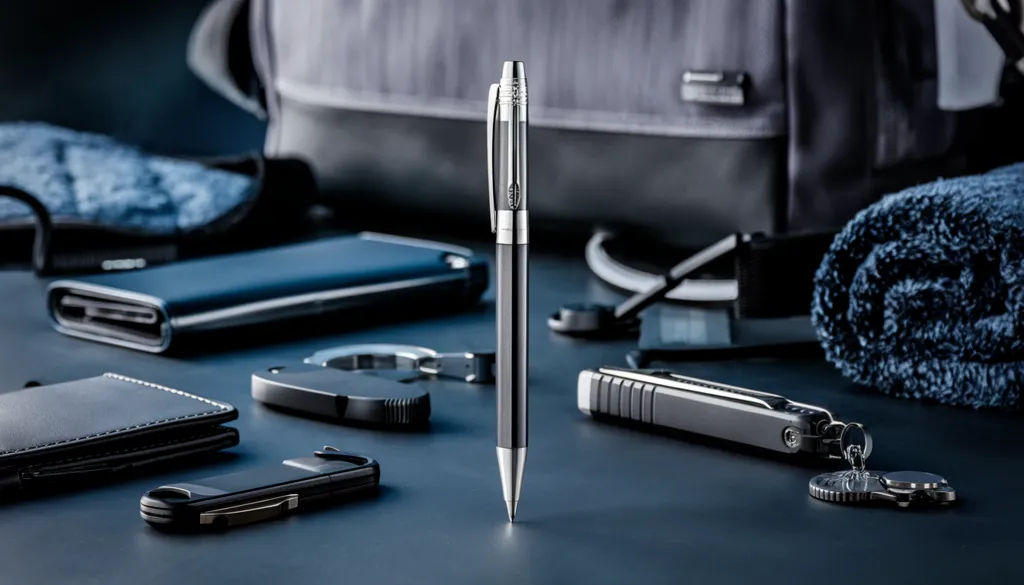
Everyday Carry (EDC) mechanical pencils are becoming an essential tool in the field of home improvement design. These pencils offer a blend of precision and versatility that makes them ideal for various tasks, whether you’re sketching out a new room layout or marking measurements for a DIY project. In this article, we’ll explore the history of mechanical pencils, discuss why choosing the best mechanical pencil is crucial for your design projects, and highlight some cool and ergonomic options. We’ll also explore the role of engineering pencils, sustainable practices in their production, and provide tips on selecting the right EDC pencil for your needs.
History of Mechanical Pencils
The journey of mechanical pencils is interesting, tracing back to their invention in the early 19th century. Originally designed to offer a more convenient writing tool that didn’t require sharpening, mechanical pencils have changed a lot over the years. The first patent for a refillable pencil was granted in 1822. These early versions paved the way for the modern designs we see today, which include advanced mechanisms and materials that make them work better and easier to use.
Why Choose the Best Mechanical Pencil for Home Improvement
When it comes to home improvement, precision is key. Selecting the best mechanical pencil can really help in your design tasks. Here’s why:
- Accuracy: The right mechanical pencil offers precise lines, which is essential for detailed drawings and measurements.
- Consistency: Unlike traditional pencils, mechanical pencils provide a consistent line width, ensuring uniformity in your designs.
- Efficiency: With no need for sharpening, mechanical pencils save time, allowing you to focus on your project.
Choosing the best mechanical pencil enhances both accuracy and efficiency, making it a valuable tool for any home improvement enthusiast.
Cool and Ergonomic Mechanical Pencils for Designers
Designers often seek tools that combine functionality with style. Cool mechanical pencils not only offer precision but also come with ergonomic benefits that enhance comfort and usability.
- Stylish Designs: Many mechanical pencils boast sleek and modern designs that appeal to the aesthetic tastes of designers.
- Comfortable Grip: Ergonomic features like cushioned grips reduce hand fatigue, making long design sessions more comfortable.
- Durability: High-quality materials ensure that these pencils withstand the rigors of frequent use.
Whether you’re sketching initial ideas or refining details, investing in a cool and ergonomic mechanical pencil can significantly improve your design experience.
The Role of Engineering Pencils in Home Improvement
Engineering pencils are essential tools in the realm of home improvement, offering precision and reliability that are crucial for detailed design work. These pencils are specifically designed to meet the needs of professionals in construction and design, providing several benefits:
- Precision: Engineering pencils deliver fine lines that are perfect for detailed drawings and blueprints. This precision ensures that every measurement and line is accurate, reducing the risk of errors in design.
- Durability: Built to withstand frequent use, these pencils are made from robust materials that ensure longevity. This durability is particularly important in construction environments where tools are subject to wear and tear.
- Consistency: Unlike traditional pencils, engineering pencils maintain a consistent line width, which is essential for maintaining uniformity in technical drawings.
- Versatility: They are suitable for a variety of tasks, from sketching initial ideas to finalizing detailed plans, making them a versatile addition to any toolkit.
For professionals and hobbyists alike, incorporating an engineering pencil into their home improvement projects can lead to more accurate and efficient results.
Sustainable Practices in Mechanical Pencil Production
As environmental concerns continue to grow, the importance of sustainability in the production of mechanical pencils has become more and more important. Many companies are adopting eco-friendly practices to reduce their environmental impact. Here are some key aspects of sustainable pencil production:
- Use of Sustainable Materials: Companies are turning to sustainable materials like recycled plastics and responsibly sourced wood to manufacture mechanical pencils. This helps in reducing the reliance on non-renewable resources.
- Eco-friendly Manufacturing Processes: By optimizing production processes, manufacturers aim to minimize waste and energy consumption, contributing to a smaller carbon footprint.
- Recycling Initiatives: Some brands offer recycling programs that encourage users to return used pencils for recycling, ensuring that materials are reused rather than discarded.
By choosing pencils from such responsible companies, consumers can support sustainable practices and contribute to environmental conservation.
How to Choose the Right EDC Pencil
Selecting the right EDC mechanical pencil can greatly improve your home improvement projects. Here are some key factors to consider when choosing the perfect pencil for your needs:
- Lead Size: Different tasks require different lead sizes. For detailed work, a smaller lead size like 0.5mm or 0.3mm is ideal. For general writing or sketching, a 0.7mm or 0.9mm lead might be more suitable.
- Grip Comfort: Since you’ll be using the pencil for extended periods, a comfortable grip is crucial. Look for pencils with ergonomic designs or cushioned grips to reduce hand fatigue.
- Material: Consider the material of the pencil. Metal or high-quality plastic pencils tend to be more durable and offer a better feel than cheaper alternatives.
- Refillability: Check if the pencil is easy to refill and if the refills are readily available. This ensures you can keep using your favorite pencil without hassle.
- Design: Cool mechanical pencils with a sleek design can be a joy to use and can also reflect your personal style.
By focusing on these factors, you can find an EDC pencil that suits your specific needs and enhances your home improvement projects.
Home improvement enthusiasts can choose EDC mechanical pencils from Everyman, Faber-Castell, or Zebra. These manufacturers offer varied lead size options, including fine 0.3mm and 0.5mm leads for detailed marking and measurement.
Summary and Next Steps
In this article, we’ve explored the world of EDC mechanical pencils and their role in home improvement design. We discussed their history, the importance of choosing the best mechanical pencil, and highlighted some cool and ergonomic options. We also covered the benefits of using engineering pencils and the significance of sustainable practices in pencil production.
Incorporating a mechanical pencil into your toolkit can improve precision and efficiency in your projects. Consider the factors we discussed when choosing the right pencil for your needs. For further reading and to explore product options, you might want to check out the links provided throughout the article.
Remember, the right EDC pencil can make a significant difference in your design tasks, so take the time to find the one that fits you best!
FAQs
An EDC mechanical pencil is a compact, durable pencil designed for everyday carry and frequent use, offering consistent precision without sharpening.
They provide consistent line width, higher accuracy, and save time since there’s no need for sharpening.
For detailed layouts and measurements, 0.3mm or 0.5mm works best, while 0.7mm is ideal for general marking.
Yes, engineering pencils offer precision and durability that benefit both professionals and serious DIYers.
Yes, cushioned or contoured grips help reduce strain during long sketching or marking sessions.
They work well on smooth surfaces, but softer or thicker lead is better for rough materials.
Metal pencils are typically more durable and balanced, though high-quality plastic options can also perform well.
Lead longevity depends on pressure and usage, but a single refill can last through many projects.
Many modern options use refillable designs and recycled materials, making them more sustainable than disposable pencils.
Yes, the precision, efficiency, and comfort make it a valuable long-term tool for home improvement planning.