This post contains affiliate links. As an Amazon Associate, I earn from qualifying purchases, at no extra cost to you. See our disclosure policy.
Residential roofing problems rarely start with something dramatic. Most of the time, it begins with a small drip. Maybe you notice a faint water stain on the ceiling. Or you hear the sound of moisture during a heavy Texas storm. At first, it seems manageable.
But roofing issues have a way of growing quietly. What looks like a minor leak today can turn into major structural damage tomorrow. That’s why understanding what happens during a roof replacement is so important, especially for homeowners across Texas.
If you’re dealing with ongoing roof leak repair Texas concerns, or you’re starting to wonder if your home needs more than a patch, this guide will walk you through what to expect, step by step, in a way that feels clear and approachable.
Understanding When Roof Leak Repair in Texas Isn’t Enough
Roof repairs are helpful. In many cases, they’re the right first step. A single cracked shingle or loose flashing can often be fixed quickly.
But sometimes, repairs become repetitive. You fix one leak, then another appears. That’s usually a sign that the roof system is aging as a whole.
This is where professional support matters. Companies that specialize in residential replacement often provide full-service solutions, including roof installation in Georgetown, Austin, Cedar Park, and surrounding areas, so homeowners can move from temporary fixes to long-term protection.
Texas weather plays a role, too. The combination of intense sun, sudden hail, and seasonal storms wears roofs down faster than many people expect.
Common Causes of Roof Leaks in Texas Homes
Roof leaks don’t happen randomly. They tend to come from predictable weak points, such as:
- Storm damage from hail or wind
- Shingles that have curled or cracked from heat
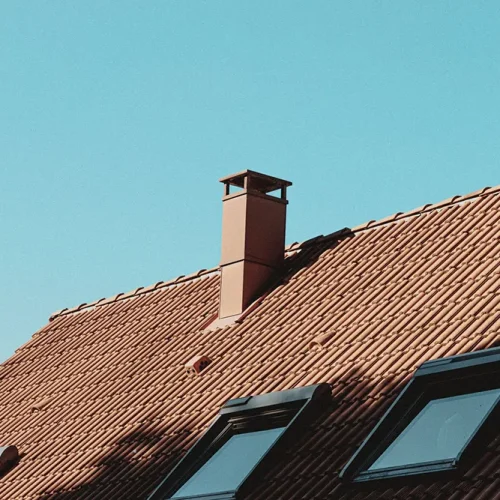
- Flashing failures around chimneys or vents
- Poor attic ventilation that traps moisture
- Aging roofing materials are nearing the end of their lifespan
Sometimes the leak is obvious. Other times, water travels before it shows up inside.
That’s why scheduling regular evaluations like roof inspections in Georgetown, TX can help catch issues early, before replacement becomes urgent.
How Leaks Turn Into Structural Damage
A roof leak is rarely just water. It’s a chain reaction.
Moisture seeps into insulation. Wood decking softens. Mold begins forming in hidden areas. Over time, the roof loses its strength.
And here’s the frustrating part: by the time you see a stain indoors, the damage has often been happening for weeks or even months.
That’s why homeowners across the state take roof leak repair in Texas seriously. It’s not just about comfort. It’s about protecting the entire home.
Signs You Need Roof Replacement in Texas
So how do you know when repairs aren’t enough?
There are several signs you need roof replacement, Texas homeowners should watch for, especially after storms or years of wear.
Exterior Warning Signs
Step outside and look for:
- Missing or broken shingles
- Bald spots where granules have worn away
- Sagging rooflines
- Visible hail impact
- Shingle edges that curl upward
If your roof looks uneven or patchy, it may be telling you it’s time.
Interior Red Flags
Inside the home, pay attention to:
- Water stains on ceilings or walls
- Damp attic insulation
- Musty odors or mold growth
- Unexpected increases in energy bills
- Light coming through attic boards
These clues often suggest deeper issues beyond surface-level repair.
Step-by-Step: What Happens During a Roof Replacement
Roof replacement sounds overwhelming until you understand the process. A professional team will guide you through each stage so you’re never left guessing.
Here’s what typically happens.
Initial Roof Inspection and Estimate
Everything starts with an inspection. Roofers assess:
- Leak sources
- Shingle condition
- Structural integrity
- Ventilation performance
This is also when homeowners discuss options for an affordable roof replacement that Texas residents can realistically budget for.
A good contractor will explain pricing clearly and help you understand what’s urgent versus optional.
Choosing Materials for Texas Weather
Not all roofing materials perform the same under Texas conditions.
Many homeowners choose asphalt shingles, but impact-resistant products are becoming more popular because of hail risk.
Your roofer may recommend:
- Malarkey-certified shingles
- Enhanced underlayment
- Improved ridge ventilation
- Better flashing systems
The goal is simple. Build a roof that lasts through heat, storms, and time.
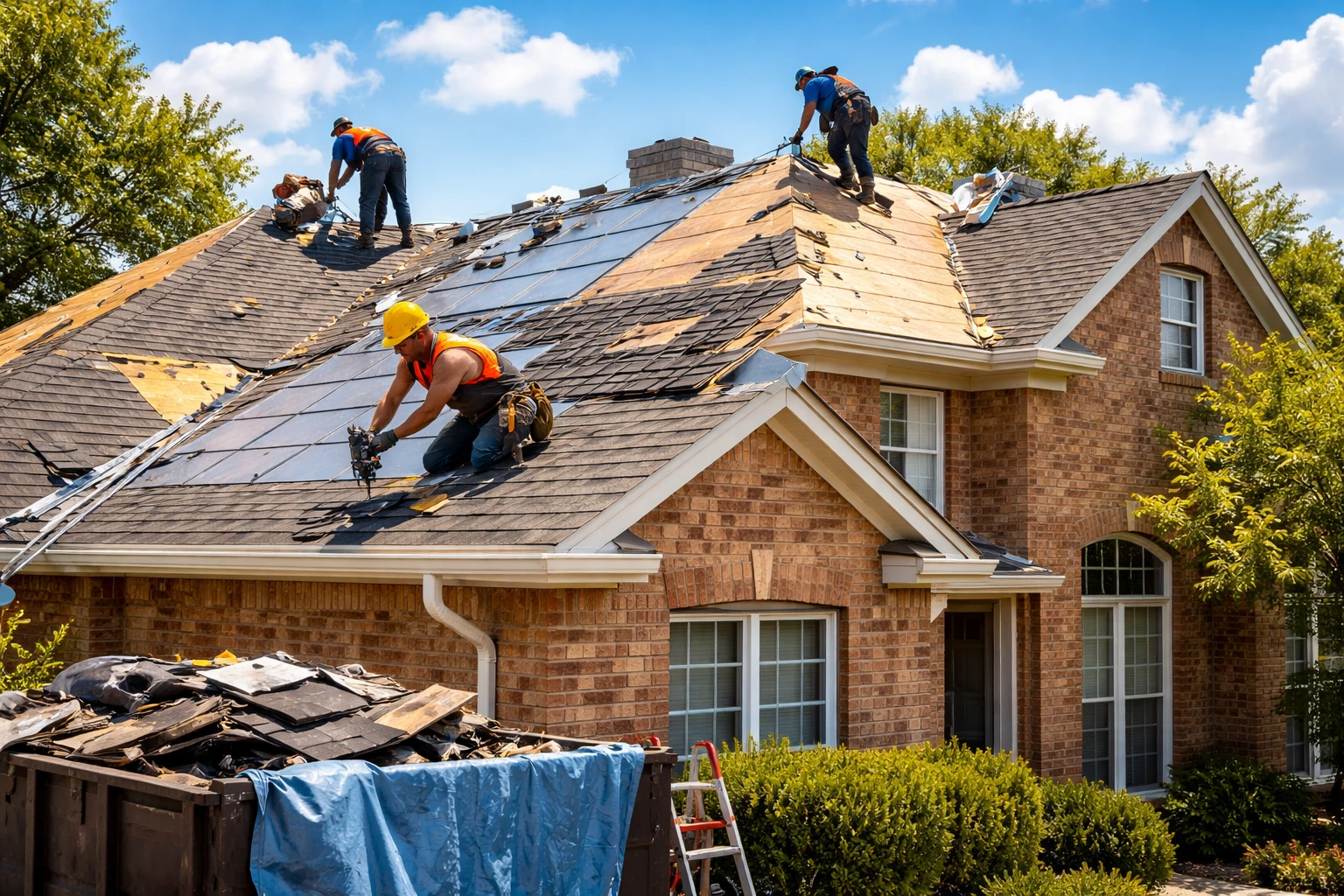
Tear-Off and Preparation
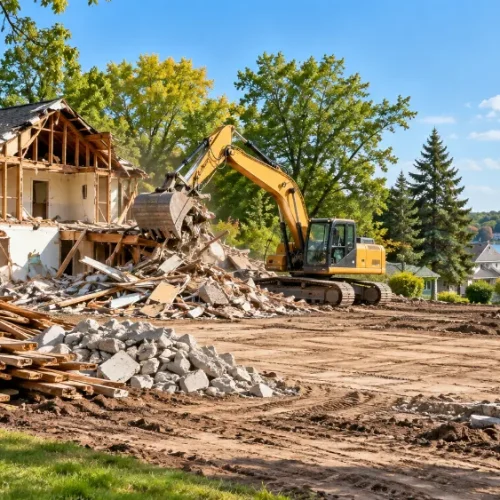
On installation day, the old roof is removed. This is called the tear-off phase.
Roofers strip away shingles, inspect the decking underneath, and replace any damaged wood.
This step matters more than people realize. A new roof installed over hidden rot won’t perform well.
Preparation sets the foundation for everything that comes next.
Installation and Quality Checks
Once the surface is ready, the new roof system is installed in layers:
- Waterproof underlayment
- Drip edge protection
- Flashing around roof penetrations
- Shingle installation
- Ridge caps and ventilation components
After installation, crews perform final inspections, clean the site, and confirm the roof meets warranty standards.
It’s a detailed process, but it’s designed to provide lasting protection and reduce future roof leak repair emergencies in Texas.
How to Choose the Right Local Residential Roofer in Texas
The contractor you choose matters just as much as the materials.
A skilled local residential roofer that Texas homeowners trust will understand regional weather patterns and building codes.
Licensing, Insurance, and Certifications
Always confirm your roofer is:
- Licensed (if required locally)
- Fully insured
- Certified by leading manufacturers
- Transparent about warranties
These details protect you, not just the company.
Experience With Texas Storm Damage
Texas storms are unpredictable. Roofers with storm restoration experience know how to spot hail bruising, wind uplift, and hidden leaks.
That expertise can make insurance claims and repair decisions much smoother.
Reviews, BBB Accreditation, and Warranties
Look for contractors with strong reputations. BBB accreditation, customer reviews, and written workmanship warranties are all green flags.
If a roofer avoids paperwork or pressures you into fast decisions, take a step back.
How to Plan for an Affordable Roof Replacement in Texas
Roof replacement is a big investment, but it doesn’t have to feel impossible.
Planning ahead helps you find an affordable roof replacement that Texas families can feel confident about.
Insurance Claims and Storm Damage Coverage
If your roof was damaged by hail or wind, insurance may cover part or all of the replacement.
Roofing companies that work closely with insurers can help document damage and simplify the process.
The key is acting quickly after storms, before deadlines pass.
Long-Term Value vs Short-Term Fixes
It’s tempting to keep patching leaks. But repeated repairs add up.
A full replacement often provides:
- Better energy efficiency
- Increased home value
- Stronger storm resistance
- Peace of mind for decades
Sometimes the most affordable option is the one that lasts longer.
Need Roof Leak Repair in Texas? Here’s When Replacement Makes Sense
Roof leaks can feel stressful, but they’re also useful signals. They tell you something needs attention.
If leaks are isolated and your roof is younger, repairs may be enough. But if you’re seeing repeated water damage, aging shingles, or multiple warning signs, replacement becomes the smarter move.
The best next step is simple: schedule a professional inspection, ask questions, and explore your options before small issues grow into major repairs.
Your roof protects everything underneath it. Don’t wait until the next storm to find out where it’s weakest. Reach out to a trusted Texas roofing expert and take the first step toward lasting protection today.
FAQs
If leaks keep returning, shingles are deteriorating, or the roof is aging, replacement is usually more effective than repeated repairs.
Most residential roof replacements take 1–3 days, depending on the size of the home and weather conditions.
No, most homeowners stay in their homes, but expect noise, vibrations, and some disruption during the process.
It typically includes tear-off of old materials, inspection of decking, installation of underlayment, shingles, flashing, and final cleanup.
Costs vary based on size, materials, and damage, but most homeowners can expect a significant investment that varies by project scope.
Yes, if the damage is caused by storms like hail or wind, insurance may cover part or all of the replacement.
Impact-resistant asphalt shingles and proper ventilation systems perform well against Texas heat, storms, and hail.
Roofers will replace any compromised decking to ensure the new roof has a strong and stable foundation.
Clear your driveway, protect valuables inside, and remove fragile wall items to prevent damage from vibrations.
It’s recommended to schedule inspections at least once a year and after major storms to catch issues early.