This post contains affiliate links. As an Amazon Associate, I earn from qualifying purchases, at no extra cost to you. See our disclosure policy.
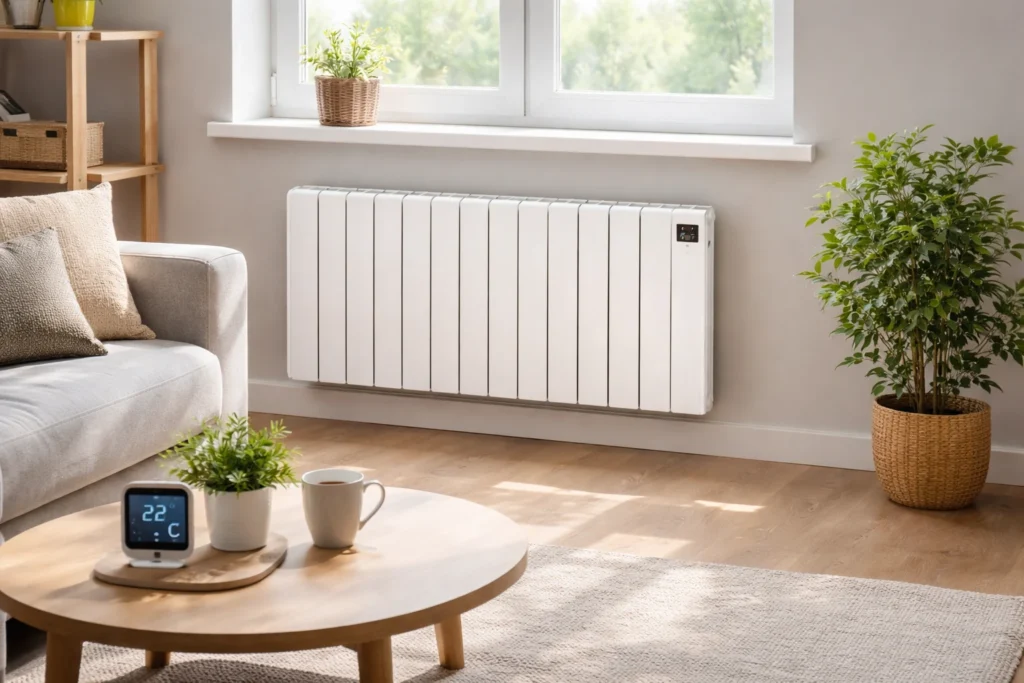
In recent years, the focus on sustainable energy and efficient home heating solutions has intensified, leading to a renewed interest in electric radiators. These systems are known for their adaptability, convenience, and advances in technology aimed at maximising heat output and energy efficiency. However, to fully appreciate the benefits of electric radiator systems, it’s essential to delve deeper into how they function and what makes them an efficient choice for modern homes.
The Basics of Heat Output
Heat output, typically measured in BTUs (British Thermal Units) or watts, is a crucial consideration when selecting a heating system. In electric radiators, the heat output is determined by the electricity input, the design of the radiator, and the technology it employs to disperse heat. An efficient electric radiator will convert a high percentage of electrical energy into heat, ensuring that the room reaches the desired temperature quickly and maintains it consistently.
Factors Influencing Efficiency
Efficiency in electric radiators is influenced by several factors. The efficiency ratio, often reflected as the COP (Coefficient of Performance), indicates how effectively a radiator converts electrical energy into heat. A factor that significantly enhances the efficiency is the design and materials used in the radiator’s construction, which can aid in even heat distribution across a room. Moreover, the integration of smart technology allows for precise temperature control and adaptive heating patterns, further boosting efficiency.
Comparing Electric Radiators to Other Heating Systems
When compared to other conventional heating systems such as gas boilers or oil-fired systems, electric radiators offer unique advantages. They do not rely on combustion, eliminating the risk of carbon monoxide emissions, which contributes to a safer and cleaner home environment. Additionally, electric systems often feature silent operation and require less maintenance, as there are no boilers or pumps involved. Electric radiators are also highly flexible, allowing for easy installation in various rooms without the need for extensive pipework.
The Role of Technology in Modern Electric Radiators
Modern electric radiators are now equipped with smart technologies that enhance both comfort and efficiency. Features such as programmable timers, Wi-Fi connectivity, and remote control via mobile apps enable users to set and adjust heating schedules according to their daily routines. These technological advancements not only offer convenience but also optimise energy consumption by ensuring that heating only occurs, when necessary, thereby reducing electricity bills and environmental impact.
Maximising Efficiency in Your Home
To maximise the efficiency of electric radiators in your home, it’s important to ensure that your living space is well-insulated and that you choose a radiator with the appropriate heat output for the room size. Strategically placing radiators where heat dispersion is most needed, such as near windows or external walls, will also enhance performance. Regularly assessing the efficiency of your system and keeping up with technological upgrades can further contribute to an optimal heating experience.
In conclusion, understanding the intricacies of heat output and efficiency in electric radiator systems can significantly enhance your home heating strategy. By choosing the right system and leveraging technology, homeowners can achieve a comfortable living environment while effectively managing energy consumption and costs. As technology continues to advance, the efficiency and appeal of electric radiators are likely to further improve, making them an increasingly attractive option for modern homes.
FAQs
Heat output is measured in watts or BTUs, indicating how much heat the radiator can produce to warm a space effectively.
Electric radiators convert nearly all electricity into heat at the point of use, making them close to 100% efficient in energy conversion.
The required size depends on room dimensions, insulation levels, ceiling height, and window area.
Electric radiators may have higher running costs per kWh, but they can be cost-effective due to zoned heating and smart controls.
COP (Coefficient of Performance) measures efficiency; however, it is more commonly applied to heat pumps than standard electric radiators.
Yes, especially when paired with smart thermostats and programmable timers that prevent unnecessary heating.
Yes. Since they don’t rely on combustion, they eliminate risks like carbon monoxide leaks.
Maintenance is minimal because there are no moving parts, boilers, or pipework involved.
They are best installed on external walls or under windows to counteract heat loss effectively.
Yes. Smart controls allow precise temperature management and scheduling, reducing wasted energy.