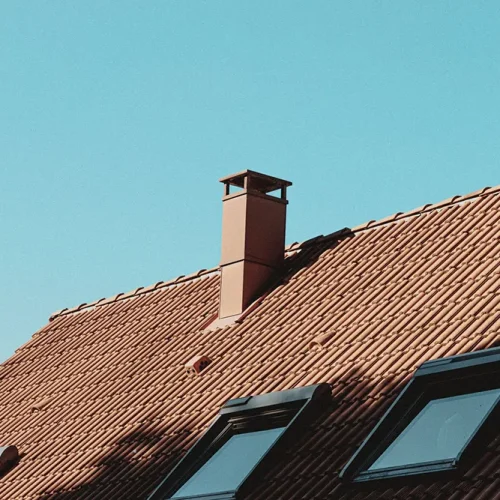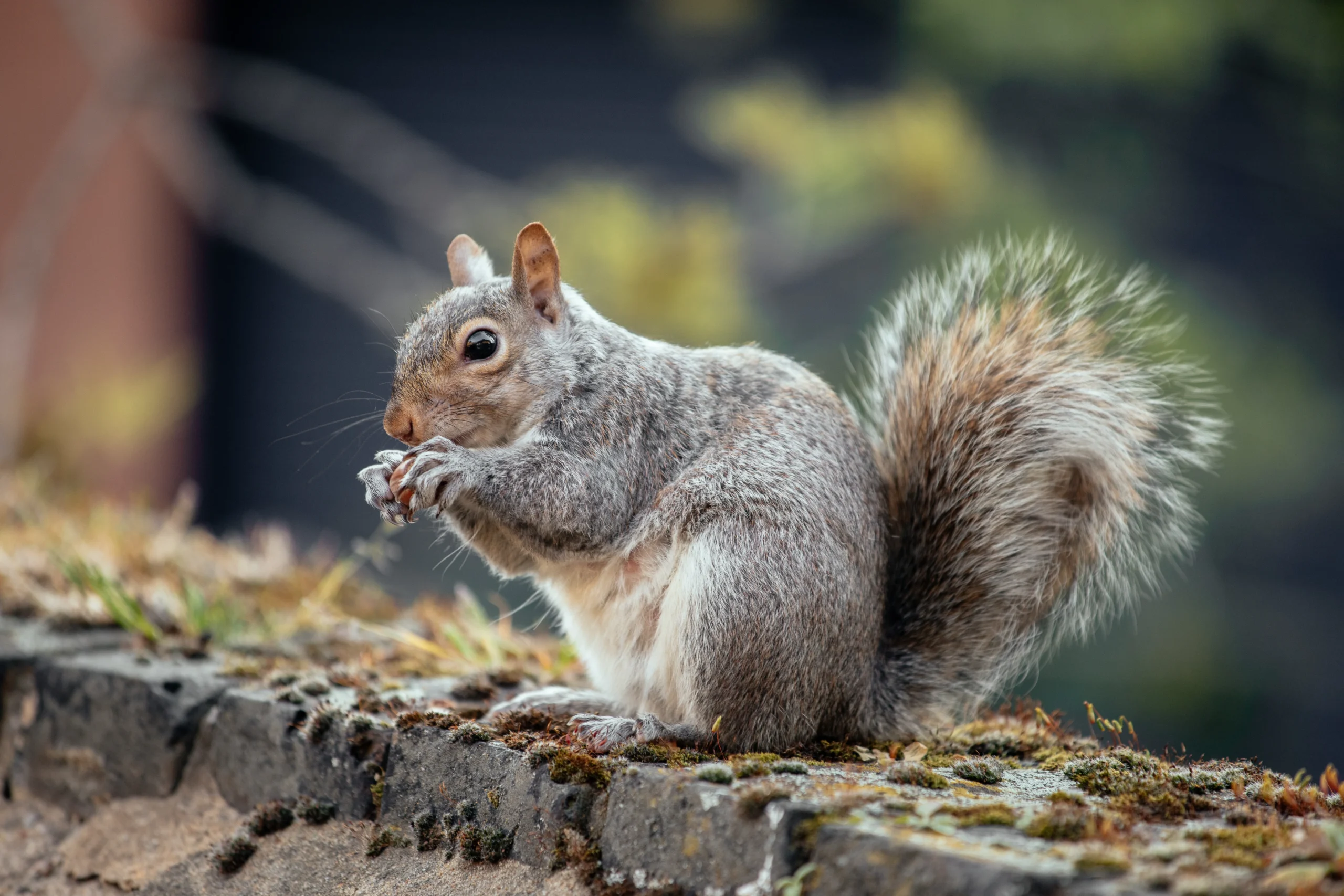
You don’t have to ask wildlife to come to your home. They’ll sneak into your ventilation, foundations, and roofs, creating makeshift entry points. This can lead to noise, destruction of insulation, nesting, and waste. It can have a serious impact on your home, and damage can be done to your wires and ducts. Most of the time, homeowners will only notice the problem when it starts to become serious. This is why it is essential to have a professional animal control service to protect your home from long-term damage.
The Importance of Professional Animal Control
Wildlife encounters go beyond animal relocations and home safety. When animals feel threatened, they react unpredictably. They can become dangerous, and they can bite. Without the right training, animal control can lead to serious injuries, and can be dangerous.
That’s why most homeowners choose All City Animal Trapping. The expert services are removal and prevention. They do not just chase the animals away. They try to find the cause of entry and the reason why they stayed. This greatly reduces the chance of repeat infestations and damage to the house.
Common Animals That Invade Homes
Animals can cause different types of problems. Understanding their behavior explains why professional trapping is important.
- Raccoons
Raccoons often will get into houses through roofs and attics. They will pull insulation apart and tear wood to make nesting sites. Their waste will contaminate and attract bugs.
- Squirrels
Squirrels will constantly chew. This becomes very dangerous in a home. They often chew on electrical wires, which increases the chances of a short circuit.
- Skunks
Skunks burrow under decks and house foundations. They bring in fleas and ticks, and their strong smell can permeate through walls and vents.
- Bats
Bats will hide inside walls and in the attic. Their waste, called guano, is very dangerous to inhale and can cause serious health problems.
How Professional Trapping Protects Your Family
The focus of animal control is the house, but more so, the people who are in the house.
- Health Protection
It is important to consider the health risks of having wild animals in your home. This is often the case because wild animals carry diseases that can be transmitted through the air, direct contact, or indirect contact through dust.
The potential health risks of having a wild animal trapped in your home include:
- Breathing issues due to animal faeces
- Flea and tick infestations
- Bacterial infections
Having wild animals trapped in your home and having the affected areas cleaned will improve the air quality and the overall health of the people in the home.
- Physical Safety
The physical safety of humans involved is also a very important consideration. Wild animals that have been trapped will often try to defend their territory, and this can include attacking people.
Attempting to trap wild animals on your own poses serious risks to the people doing it. The right tools and techniques mean reduced chances of getting bitten or scratched. It also ensure that the animal is being handled as per the regulations.
What Your Residence Gains From Professional Removal
The extent of damage that the animals might have caused is not usually apparent at first. The problems often lie in hidden areas such as the attic and crawl spaces.
Preventing Loss of Structural Integrity
Animals that create nests in a house are able to damage crucial parts of the house’s structure.
With the right training and experience, a professional is able to examine structurally risky areas and see damage that has not progressed very far.
This can prevent damage from reaching a more serious state to the following areas:
- rotting of the roof supports
- wall insulation
- wooden beams
- electrical wires
- systems
The damage that is done is usually very expensive to repair, and by preventing damage from occurring, the homeowner saves a lot of money.
Closing Future Points of Entry
Removing the animal is just half of the work. Animals will move in if there are still gaps and holes.
Professional trapping includes:
- Finding ways to enter
- Closing gaps and vents
- Strengthening the areas that are weak
This stops repeated invasions and strengthens the defense of the house.
Why Experience Is Important in Animal Control
Regardless of location or season, every animal has its own distinct behavioral characteristics. This also informs how they should be removed, including the techniques used, what equipment needs to be used, and how in depth the whole removal process needs to be.
Through training and experience, the professional learns to:
- Identify the peak times for different types of wildlife and their activity levels
- Predict the locations and concealment strategies for different species
- Develop safe removal strategies for the more dangerous ones
In addition, this experience is essential to keeping your home and property safe.
Long-Term Peace of Mind
The removal of the nesting wildlife critters, as well as the sealing of entry points, leads to the normality of life being the same as before, without having to endure:
- Scratching and scurrying noises coming from the walls
- Strange odors coming from the ceiling or walls
- Concerns about concealed nests and the associated infestations and excrement.
Pilfering a home and sealing its entry points reinforces a sense of security for all its occupants.
Final Thoughts
The longer deferring action is an issue, the harder it is to resolve, and the greater the potential damage, and the more serious the health risks. The provision of wildlife control services and the implementation of the recommended preventative measures aid in the preservation of the concerned individual’s mental and physical well-being, as well as of their property. Start contacting a wildlife professional near you, and enjoy the peace of mind that comes from knowing your home is safe from wildlife and not a danger to you or your family.
FAQs
Wild animals can be unpredictable and dangerous, and improper handling can lead to injury or legal issues. Professionals use safe, humane, and regulated methods to remove and prevent infestations.
Common signs include scratching noises in walls or ceilings, strong odors, damaged insulation, droppings, or visible entry holes around the roof or foundation.
Yes, animals can carry diseases, parasites, and bacteria that spread through droppings, urine, or contaminated air, potentially causing respiratory and other health issues.
Raccoons often access attics through damaged roof vents, loose shingles, or weak soffits, where they create nests and contaminate insulation.
Squirrels constantly chew, including on electrical wiring, which increases the risk of short circuits and potential house fires.
Yes, bat guano can accumulate quickly and may pose health risks when inhaled, especially if left untreated for long periods.
Yes, professionals not only remove the animals but also identify and seal entry points to reduce the risk of repeat invasions.
Wild animals can damage insulation, wooden beams, roof supports, and electrical systems, leading to costly repairs if not addressed early.
Reputable wildlife control services follow regulations and use humane trapping and relocation methods whenever possible.
You should call as soon as you suspect wildlife activity, since early intervention prevents greater damage, health risks, and higher repair costs.