This post contains affiliate links. As an Amazon Associate, I earn from qualifying purchases, at no extra cost to you. See our disclosure policy.
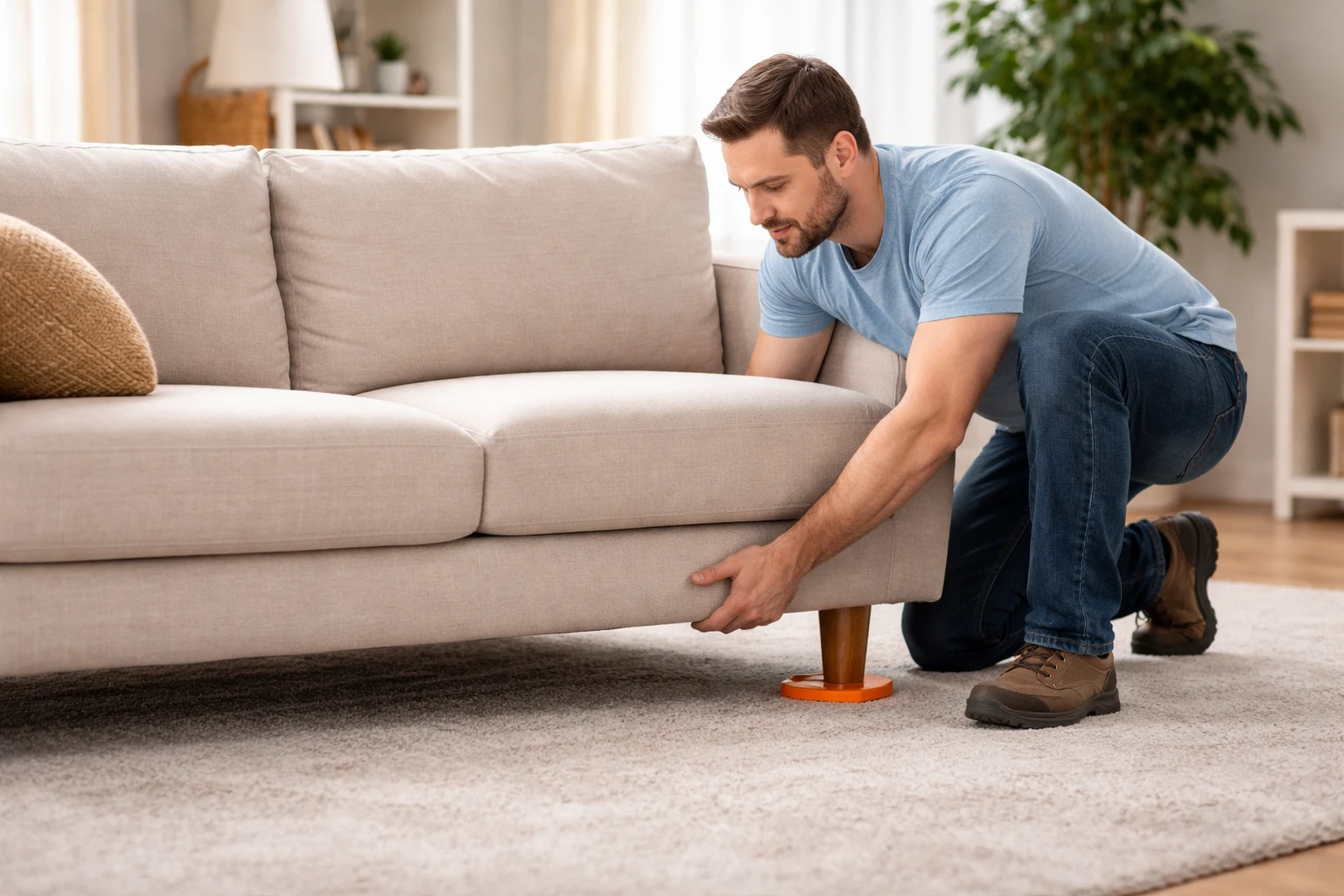
If you’ve ever tried how to move heavy furniture on carpet by yourself, you already know the struggle is real. The furniture doesn’t budge. The carpet grips like it’s personal. And suddenly, what felt like a quick rearrange turns into a sweaty, back-straining standoff. I’ve been there. Many times.
The good news? You don’t need brute strength, a team of helpers, or professional movers to get it done. You need strategy. Leverage. The right tools. And a calm, methodical approach that works with carpet instead of fighting it.
This guide breaks down how to move heavy furniture on carpet by yourself safely, efficiently, and without wrecking your flooring—or your body. Let’s get into it.
Why Moving Furniture on Carpet Is Harder Than It Looks
Carpet adds friction. A lot of it.
Unlike hardwood or tile, carpet fibers grip furniture legs and bases, while the padding underneath absorbs pressure and resists sliding. That resistance is what makes even moderately heavy furniture feel impossible to move.
Add in thick pile, plush padding, or uneven subfloors, and the challenge multiplies. That’s why lifting almost always fails and dragging is a fast track to carpet damage or injury.
The solution isn’t strength. It’s reducing friction and using leverage.
Safety First: Set Yourself Up Before You Move Anything
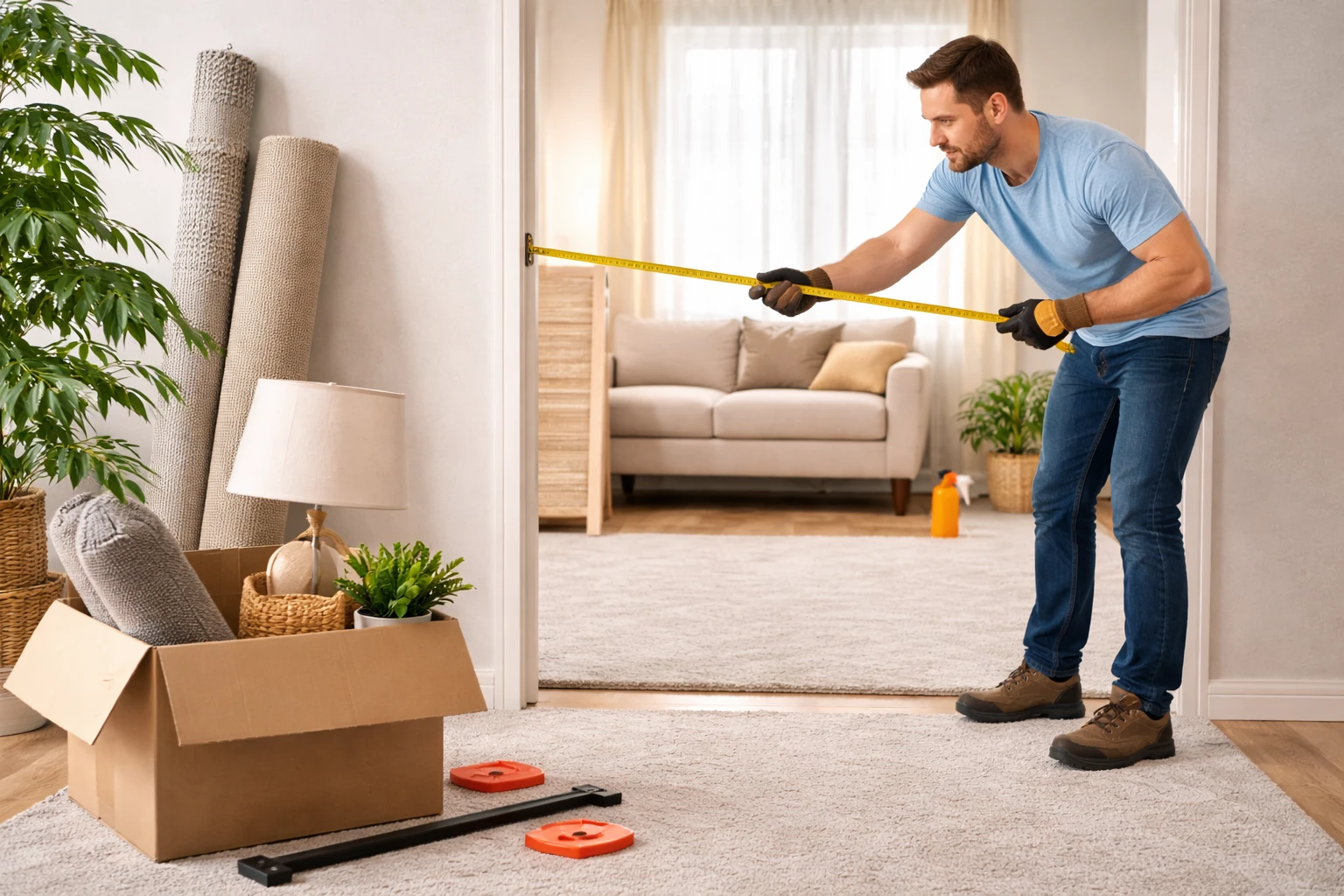
Before you touch the furniture, pause. This step matters more than most people think.
Do a quick risk check
Ask yourself:
- Can I control this item if it tips?
- Is my path completely clear?
- Am I forcing this because I’m in a rush?
If the answer to any of those feels uncomfortable, slow down.
Clear your route
Remove rugs, cables, décor, and anything breakable. Measure doorways and tight corners. Carpet doesn’t forgive last-minute pivots.
Wear the right gear
- Closed-toe shoes with grip
- Work gloves for better control
- Clothing that won’t catch or restrict movement
Your back will thank you later.
Carpet Types Matter More Than You Think
Not all carpet behaves the same, and that affects how to move heavy furniture on carpet by yourself successfully.
| Carpet Type | Difficulty Level | Key Consideration |
| Low-pile | Easier | Less friction, slides better |
| Berber | Medium | Loops can snag if dragged |
| Plush | Hard | Compresses and grips |
| Shag | Very hard | High resistance, unstable |
Thicker padding underneath increases resistance. That means you’ll need more surface protection or firmer sliding materials.
Tools That Make Solo Furniture Moving Easier
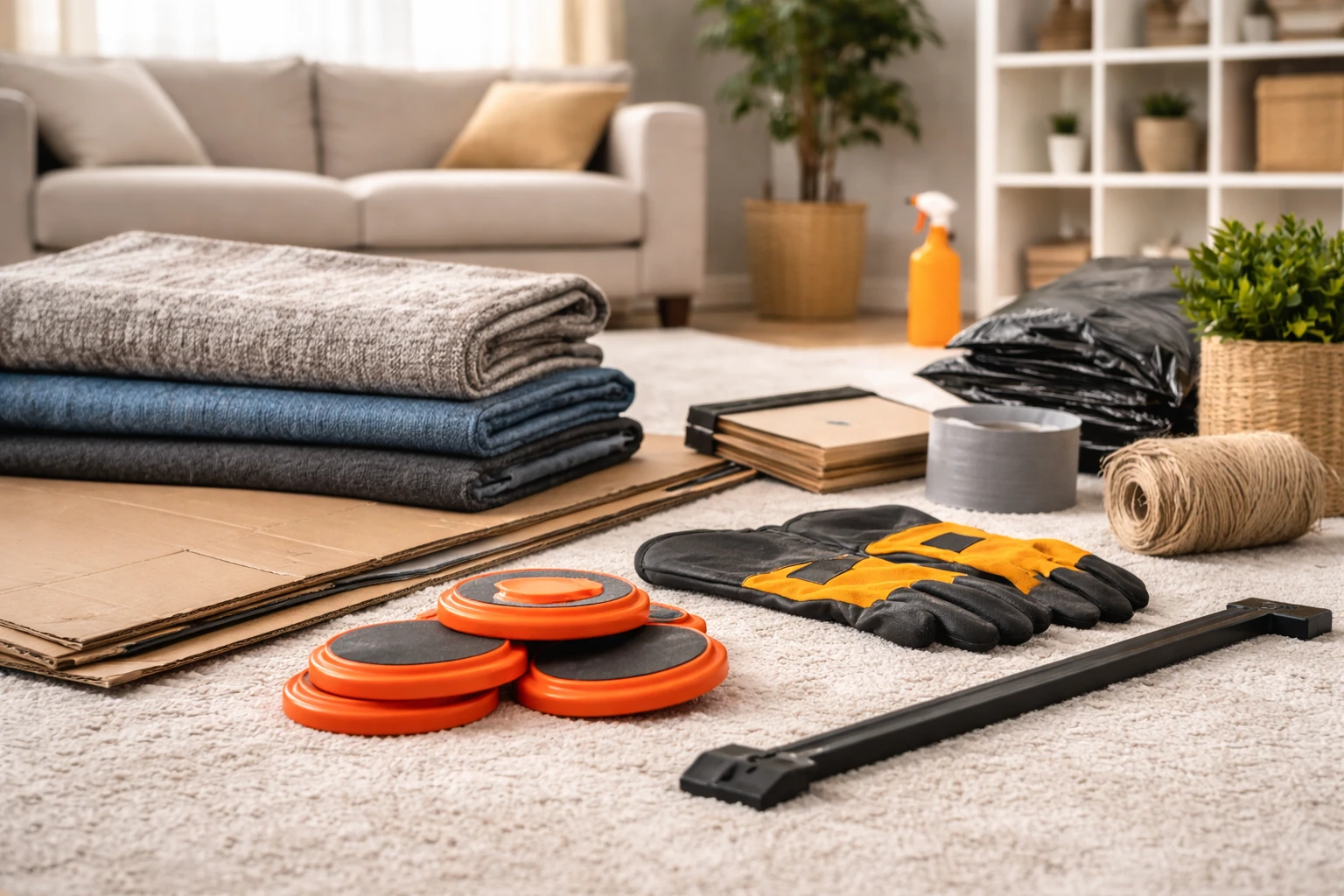
You don’t need fancy gear, but the right tools change everything.
Best tools for moving furniture on carpet
- Furniture sliders (plastic for carpet)
- Moving blankets or thick towels
- Cardboard sheets or flattened boxes
- Plywood panels
- Pry bar or sturdy lever
If you don’t have sliders, don’t panic. Household items work surprisingly well when used correctly.
How to Move Heavy Furniture on Carpet Without Sliders
Sometimes you’re mid-project and realize you don’t own sliders. That’s fine. Here’s how to improvise.
Towels or blankets
Fold them thick. Place under each contact point. These reduce friction and protect carpet fibers.
Cardboard
Corrugated cardboard works best. Double it up for heavy pieces. It glides better than you’d expect on most carpets.
Plastic trash bags
Slide them under furniture legs for a low-friction surface. Not ideal for plush carpet, but effective in a pinch.
Each method trades durability for convenience. Use them for short moves, not across multiple rooms.
Step-by-Step: Moving Heavy Furniture With Sliders
This is the most reliable method for how to move heavy furniture on carpet by yourself.
Step 1: Lift just enough
Never lift the whole piece. Tilt one corner at a time using your legs, not your back.
Step 2: Place sliders correctly
Plastic side down. Furniture side up. Make sure they’re centered under each leg or base.
Step 3: Push, don’t pull
Pushing gives you more control and reduces the risk of sudden movement.
Step 4: Move slowly
Short, steady pushes beat force every time.
Step 5: Reposition when needed
If a slider shifts, stop. Fix it. Rushing causes damage.
This method works for sofas, dressers, entertainment units, and even appliances.
Use Leverage Instead of Strength
Leverage is the secret weapon most people ignore.
A small pry bar or even a thick piece of wood can lift hundreds of pounds with minimal effort. Slide the lever under the edge, press down gently, and insert your slider or padding.
Rocking works too. Tilt forward slightly. Then backward. Then sideways. Each movement breaks friction without strain.
Never twist your torso while lifting. That’s how injuries happen.
How to Move Common Furniture Pieces on Carpet
Different furniture needs different tactics.
Sofas and sectionals
- Remove cushions first
- Tilt one end, place sliders
- Move in small increments
- For sectionals, separate pieces if possible
Dressers and wardrobes
- Empty them completely
- Secure drawers with tape
- Use four sliders, not two
Beds and frames
- Remove the mattress
- Disassemble frames if possible
- Slide rails on cardboard
Desks
- Remove monitors and equipment
- Slide from the base, not the top
- Watch for uneven weight distribution
The heavier the item, the more important preparation becomes.
Moving Furniture Across Rooms or Long Distances
This is where people rush. Don’t.
Control the path
Move a few feet. Stop. Adjust. Repeat.
Turning corners
Pivot gradually. Never force a sharp turn on carpet.
Doorways and thresholds
Place cardboard or plywood across thresholds to prevent catching and tearing.
Alignment matters
Furniture drifting sideways creates resistance. Keep it straight.
Protecting Your Carpet During the Move
Carpet damage often shows up after the furniture is in place.
Prevent dents
- Use wide sliders
- Avoid stationary pressure for long periods
Avoid snags
- Lift slightly when repositioning
- Never drag bare legs across carpet
Temporary carpet protection
- Cardboard runways
- Plywood sheets
- Heavy drop cloths
Fixing carpet impressions
- Ice cubes melted into dents
- Gently fluff fibers with a spoon
- Light vacuuming after drying
These small fixes make a big visual difference.
Common Mistakes to Avoid
People hurt themselves by doing the wrong things fast.
Avoid these:
- Dragging furniture directly on carpet
- Lifting heavy items fully off the ground
- Twisting while under load
- Rushing because “it’s almost there”
Every injury story starts with “I thought I could just…”
When DIY Isn’t Worth the Risk
Knowing how to move heavy furniture on carpet by yourself doesn’t mean you always should.
Stop if:
- The item is taller than you and unstable
- You feel strain in your lower back
- The furniture shifts unpredictably
- You’re dealing with stairs
There’s no win in getting hurt over a couch.
Final Tips That Make Everything Easier
Here’s what consistently works:
- Prepare once. Move once.
- Reduce friction before applying force
- Use leverage for every lift
- Move slowly and deliberately
I’ve moved entire rooms solo using these techniques. Not because I’m strong—but because I’m careful.
If you take one thing from this guide, let it be this: how to move heavy furniture on carpet by yourself is less about muscle and more about method. Get the setup right, and the move becomes almost boring.
And honestly? Boring is exactly what you want when hundreds of pounds are involved.
FAQs
Yes, as long as you use sliders or padding, plan your path, and rely on leverage instead of lifting.
Hard plastic sliders work best on carpet because they glide over fibers and padding more easily than felt.
It can if dragged directly, but using sliders, cardboard, or blankets helps prevent dents and fiber damage.
Use wide plastic sliders or plywood sheets to spread the weight and reduce resistance from the padding.
Pushing is safer and gives you more control, especially when moving heavy furniture by yourself.
Yes, towels, cardboard, or plastic bags can work temporarily when proper sliders aren’t available.
Lift only one corner at a time, keep your spine neutral, and let leverage do most of the work.
Absolutely—removing contents reduces weight and prevents shifting during the move.
Ice cubes, gentle fluffing, and light vacuuming can help carpet fibers bounce back.
If the furniture is unstable, extremely heavy, or involves stairs, it’s safer to get assistance.